
Coronary Artery Suturing Instruments: Types, Names, and Uses
Coronary artery suturing instruments are the fine tools surgeons use to stitch tiny heart arteries and vascular grafts. These vessels are very small, so the tools must be precise and gentle on tissue.
Cardiac surgery depends on many instrument groups, including needle holders, forceps, scissors, clamps, and dilators, along with fine sutures. This article explains what each group does, how the instruments are used in bypass surgery, and how teams choose and care for them.
This content is for general education. Instrument details should always be confirmed with the manufacturer.
What Are Coronary Artery Suturing Instruments?
These are specialized instruments for suturing small coronary arteries and vascular grafts. Coronary arteries are only a few millimeters wide. A stitch that is too tight or tissue that is crushed can cause problems.
Precision and atraumatic handling matter because the goal is to protect the vessel wall while making a secure connection. The main categories are:
- Needle holders
- Forceps
- Scissors
- Clamps
- Dilators
- Sutures
These tools are part of the wider set of major surgical equipment used in cardiac operating rooms.
Types of Coronary Artery Suturing Instruments
Castroviejo Needle Holders
Castroviejo needle holders have a spring handle and fine jaws. They come in locking and non locking versions. The spring action gives light control, which helps in delicate suturing.
Jacobson Micro Needle Holders
Jacobson micro needle holders offer a precise grip suited to very fine sutures. Jaw design and instrument length affect selection. Longer instruments can help in deeper areas, and shorter ones give finer control.
Spencer Coronary Needle Holders
Spencer coronary needle holders are used to place accurate stitches in confined spaces, such as the small working area around a coronary artery.
DeBakey Forceps
DeBakey forceps have an atraumatic grip. Their fine, flat serrations hold delicate vessels and grafts without crushing them.
Scanlan Pickups
Scanlan pickups help stabilize vascular tissue while the surgeon works. They give a secure but gentle hold.
Microvascular Scissors
These small scissors trim tissue and prepare vessel openings. Their fine tips allow clean cuts in small vessels.
Coronary Dilators
Coronary dilators gently check or widen a vessel opening when clinically appropriate. They come in graduated sizes.
Cardiovascular Clamps Used During Coronary Surgery
Clamps control blood flow so the surgeon can work in a clear field. Common groups include atraumatic vascular clamps, which grip with soft pressure, and specialized coronary clamps designed for small vessels.
Clamp choice depends on the vessel, the procedure, and surgical technique. Naming varies, so surgeons and sterile processing teams often rely on the maker’s catalog and the hospital’s instrument sets.
Suture Materials Used in Coronary Artery Surgery
Fine monofilament, non absorbable sutures such as polypropylene are common in coronary surgery. They slide smoothly through tissue and keep their strength over time.
Suture size and needle design depend on the vessel and what the surgical team needs. The team chooses the right material and size for each case.
Instruments Used in Coronary Artery Bypass Grafting (CABG)
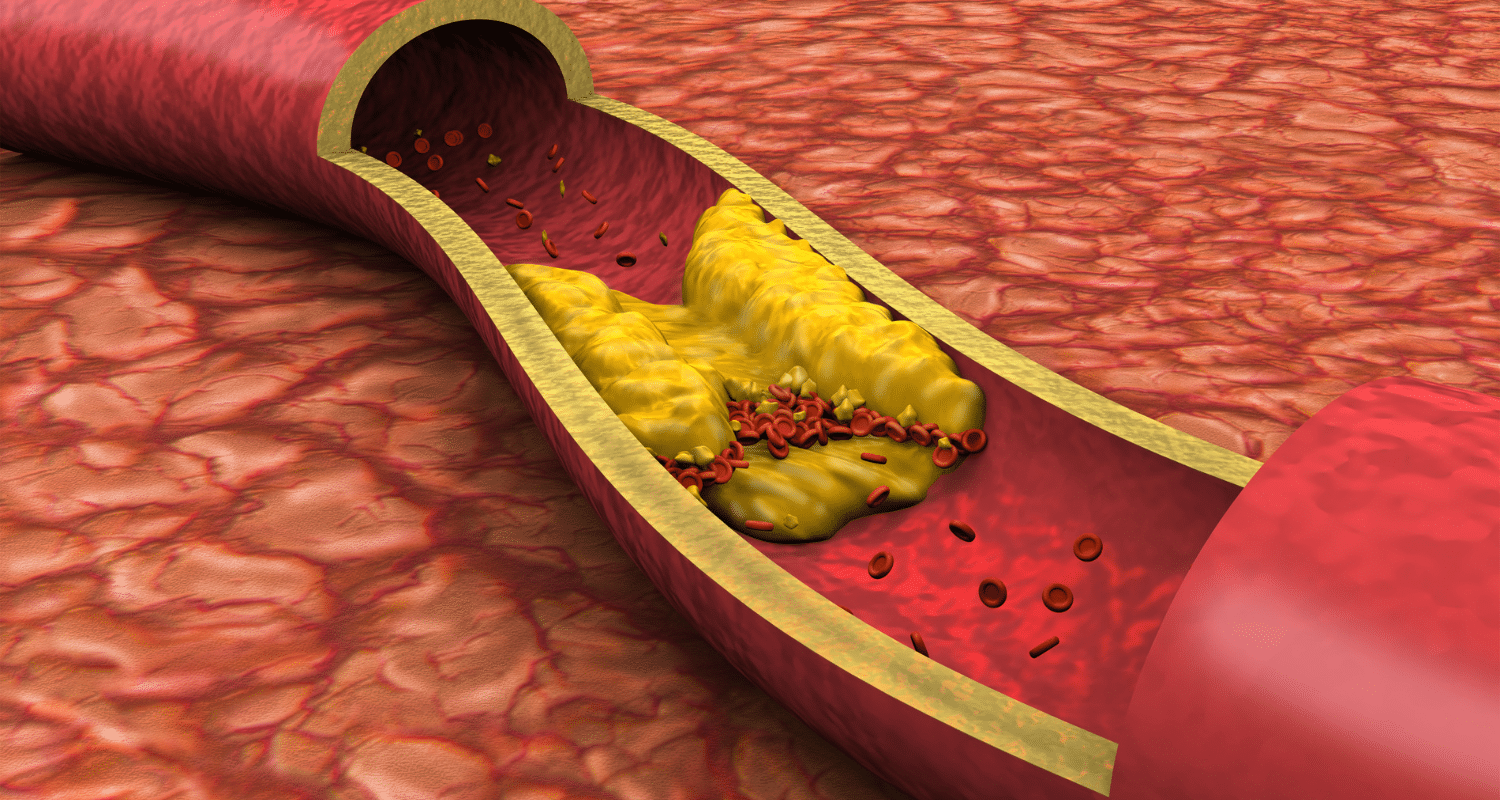
CABG bypasses blocked arteries, often caused by coronary artery disease and atherosclerosis. During the graft to artery connection, called an anastomosis, the surgeon relies on needle holders, forceps, scissors, and fine sutures.
Supporting instruments provide vessel exposure, stabilization, and blood flow control. These include retractors, clamps, and stabilizers. On pump surgery uses a heart lung bypass machine to take over circulation, while off pump surgery works on a beating heart with stabilizing devices. Exposure often begins with tools such as a sternal saw and a sternal retractor.
How to Choose Cardiovascular Surgical Instruments
Teams and buyers often look at:
- Precision and balance
- Jaw design and grip
- Instrument length and access needs
- Stainless steel and other suitable materials
- Reusable versus single use options
- Manufacturer quality, sterilization compatibility, and procurement needs
Confirm specifications with the manufacturer, since models and sizes vary.
Cleaning, Sterilization, and Instrument Maintenance
Follow the manufacturer’s instructions for every instrument. Staff should inspect fine tips, jaws, hinges, and locking mechanisms for bends, wear, or debris. Because tips are small and delicate, they need careful handling during cleaning.
Validated cleaning and sterilization steps help keep instruments safe and working well. Damaged instruments should be removed from use.
Final Thoughts
Coronary artery suturing instruments make delicate heart surgery possible. Good tools, careful handling, and proper care all support safe results.
Surgery is often needed after artery disease has advanced. The BaleDoneen Method focuses on finding the root causes of artery disease early to help prevent a heart attack or stroke. Anyone interested can find a provider trained in this approach, and patients recovering from surgery can read about post event recovery.