Know Your Risk Before It Strikes
Your arteries could be hiding early disease. Find out today.
Looking for the best herbs for heart health? These science-backed heart-healthy herbs and spices help reduce inflammation, support circulation and promote long-term cardiovascular protection. Learn which spices may even help clean arteries.
Herbs and spices have been used as food and medicine for thousands of years. Modern science has shown that some of these tasty flavorings really do have remarkable health benefits, particularly for boosting cardiovascular (CV) wellness. Two very large studies recently linked a spicy diet to longer life and lower risk of death from heart-related causes.
One reason why certain spices and herbs literally do the heart good is that they appear to reduce chronic inflammation, a fiery process that is both the driver of arterial disease development and of plaque ruptures that can lead to a heart attack or stroke. Certain condiments may also help reduce other CV risks if consumed as part of an overall heart-healthy diet. Here’s a look at spices and herbs with proven cardiovascular benefits.
Cinnamon: Lowers cholesterol and blood sugar
Daily consumption of this delicious spice significantly reduced triglycerides, blood sugar and LDL (bad) cholesterol, while improving good (HDL) cholesterol in a recent analysis that pooled the results of 10 randomized studies of 543 patients with type 2 diabetes. Two earlier studies found that cinnamon improved insulin sensitivity in people without diabetes. These are important benefits, given that insulin resistance is the root cause of about 70% of heart attacks.
Based on these findings, the BaleDoneen Method recommends that people with diabetes or insulin resistance take 2 grams of cinnamon daily, which is available in capsule form. Before taking any dietary supplement, check with your medical provider to make sure it’s appropriate for you.
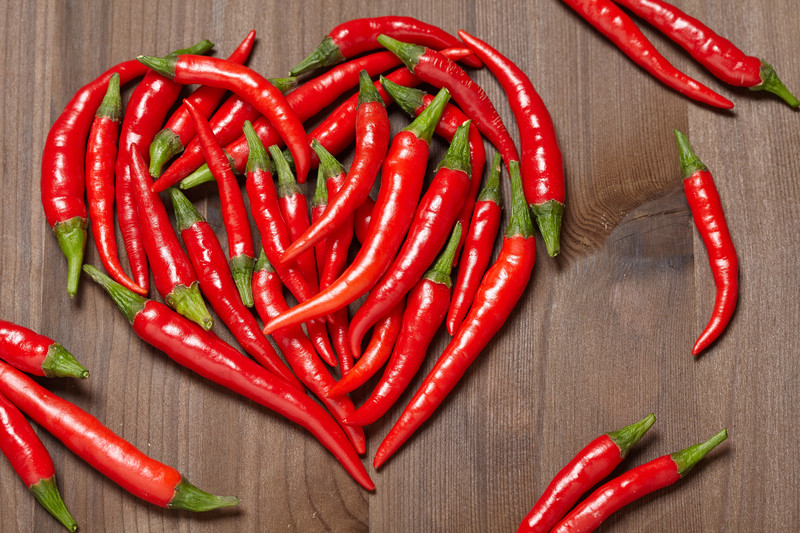
Chili peppers: May lengthen life and lower heart attack and stroke risk
Chili peppers may hold the key to longevity. In a 19-year study of 16,171 American men, those who ate hot red chili peppers had a 13% lower rate of death, even when demographic, lifestyle and clinical factors were taken into account. Mortality from vascular disease, heart attacks and strokes was particularly low in the hot pepper group, according to study coauthor Dr. Benjamin Litternberg, who points out that a chili compound called capsaicin has well-established anti-inflammatory effects. It’s used to treat arthritis and other painful inflammatory disorders.
An earlier study of nearly 500,000 Chinese people over seven years also reported lower mortality, particularly from heart disease and cancer, among those who ate spicy foods, including chili peppers, frequently. However, further research is needed to tell if the food itself, or other behaviors of people who eat a spicy diet, explains the heart-protective effects seen in the study.
Turmeric: Fights inflammation, gum disease and depression
Curcumin, an antioxidant compound found in the yellow Indian spice turmeric, has such remarkable health benefits that researchers have dubbed it “the golden spice of life.” In a recent clinical trial, curcumin supplements were as effective as the prescription drug Prozac for elevating mood in people with major depression, a condition linked to brain inflammation and increased risk for heart problems.
Curcumin has powerful anti-inflammatory and anti-microbial properties. Another recent clinical trial reported that a 1% solution of curcumin (in water) worked nearly as well for killing oral bacteria as a standard dental rinse (0.2% chlorhexidine gluconate) in people with periodontal (gum) disease. Gum disease, which affects about 50% of Americans aged 30 and older, was recently shown to be a contributing cause of arterial disease in a landmark, peer-reviewed BaleDoneen study.
Garlic: Lowers blood pressure and boosts heart health
For more than 2,000 years, physicians have prescribed garlic as a heart tonic and recent studies have proven them right. There is strong scientific evidence that eating a half to one clove of garlic daily lowers total cholesterol levels by up to 9%, while taking aged garlic extract may reduce systolic blood pressure (the top number) by 5.5%, according to a recent paper in Current Cardiology Reviews.
Garlic a staple of the heart-healthy Mediterranean diet—has many other beneficial effects on arterial health, leading the paper’s authors to conclude that the pungent plant is a powerful weapon against cardiovascular disease. The paper also reported that ginger, black pepper and coriander also have well-established CV benefits, as well as the power to “turn an ordinary meal into an extraordinary experience.” Overall, adding spice to our life is a delicious way to maintain a healthy heart, the researchers concluded.
Heart-Healthy Herbs and Spices: Natural Ingredients That Support a Stronger Heart
Herbs and spices have been used for thousands of years to enhance flavor and improve health. Today, modern research confirms that some of the healthiest herbs and spices offer measurable cardiovascular benefits. From lowering inflammation to improving cholesterol and blood pressure, these natural ingredients play a meaningful role in protecting the heart. If you are looking for the best herbs for heart health, here is what science reveals about their power.
Why Herbs and Spices Benefit Heart Health
Many herbs and spices are rich in antioxidants and anti-inflammatory compounds. Since chronic inflammation is a major driver of arterial disease and plaque formation, certain herbs help reduce cardiovascular risk when included in an overall heart-healthy diet. Research also shows that some spices may lower cholesterol, improve blood sugar, and manage blood pressure, making them valuable tools for long-term heart protection.
Cinnamon: A Natural Way to Improve Cholesterol and Blood Sugar
Cinnamon is one of the best-studied spices for heart health. A review of ten clinical trials involving more than 500 people with type 2 diabetes found that daily cinnamon significantly lowered triglycerides, LDL cholesterol, and blood sugar, while improving HDL.
Because insulin resistance is the root cause of most heart attacks, cinnamon may offer protective benefits for people with diabetes or metabolic issues. Many clinicians recommend 2 grams of cinnamon daily, often in capsule form, but it is important to consult a healthcare provider before starting any supplement.
Chili Peppers: A Spicy Ingredient Linked to Longer Life
Chili peppers may offer surprising cardiovascular benefits. A long-term study of more than 16,000 American men found that those who consumed hot red chili peppers experienced a 13 percent reduction in mortality. Deaths from vascular disease, heart attack, and stroke were notably lower.
Capsaicin, the compound that gives chili peppers their heat, has strong anti-inflammatory effects and may help protect the blood vessels. Similar findings were observed in a large Chinese study that linked frequent spicy food intake to reduced deaths from heart disease and cancer. Further research is still needed, but chili peppers remain a promising heart-supportive ingredient.
Turmeric: Powerful Anti-inflammatory and Antimicrobial Effects
Turmeric, known for its active compound curcumin, is often called the “golden spice of life.” Curcumin supports heart health through strong anti-inflammatory and antioxidant activity.
Clinical research shows that curcumin may be as effective as certain antidepressants for mood improvement, which is important because depression increases cardiovascular risk. Curcumin also helps fight oral bacteria associated with gum disease, a known contributor to arterial inflammation and plaque development.
Garlic: A Proven Heart Tonic
Garlic has been used for centuries to support cardiovascular wellness, and modern science supports its traditional use. Eating half to one clove of garlic daily may reduce cholesterol by up to 9 percent. Aged garlic extract has also been shown to lower systolic blood pressure by more than 5 points.
Garlic improves arterial health, supports healthy circulation, and provides antioxidant protection. Additional spices like ginger, coriander, and black pepper also offer cardiovascular benefits and complement a heart-healthy diet.
FAQs
What is the best herb for the heart?
Garlic is one of the most researched heart-healthy herbs. Turmeric and ginger also provide strong cardiovascular protection due to their anti-inflammatory effects.
What spices clean arteries?
Garlic, turmeric, ginger, and cinnamon support better arterial function by reducing inflammation, improving cholesterol, and lowering oxidative stress.
Which spice is best for heart health?
Turmeric and garlic rank among the top, but chili peppers and cinnamon also provide significant cardiovascular benefits.
Is spicy food good for heart health?
Research suggests that chili peppers may reduce the risk of death from heart-related causes, likely due to their anti-inflammatory properties. However, spicy foods should be consumed in moderation, especially for people with digestive conditions.
Resources
https://www.healthline.com/nutrition/top-10-evidence-based-health-benefits-of-turmeric
About the Author: Carol