Know Your Risk Before It Strikes
Your arteries could be hiding early disease. Find out today.

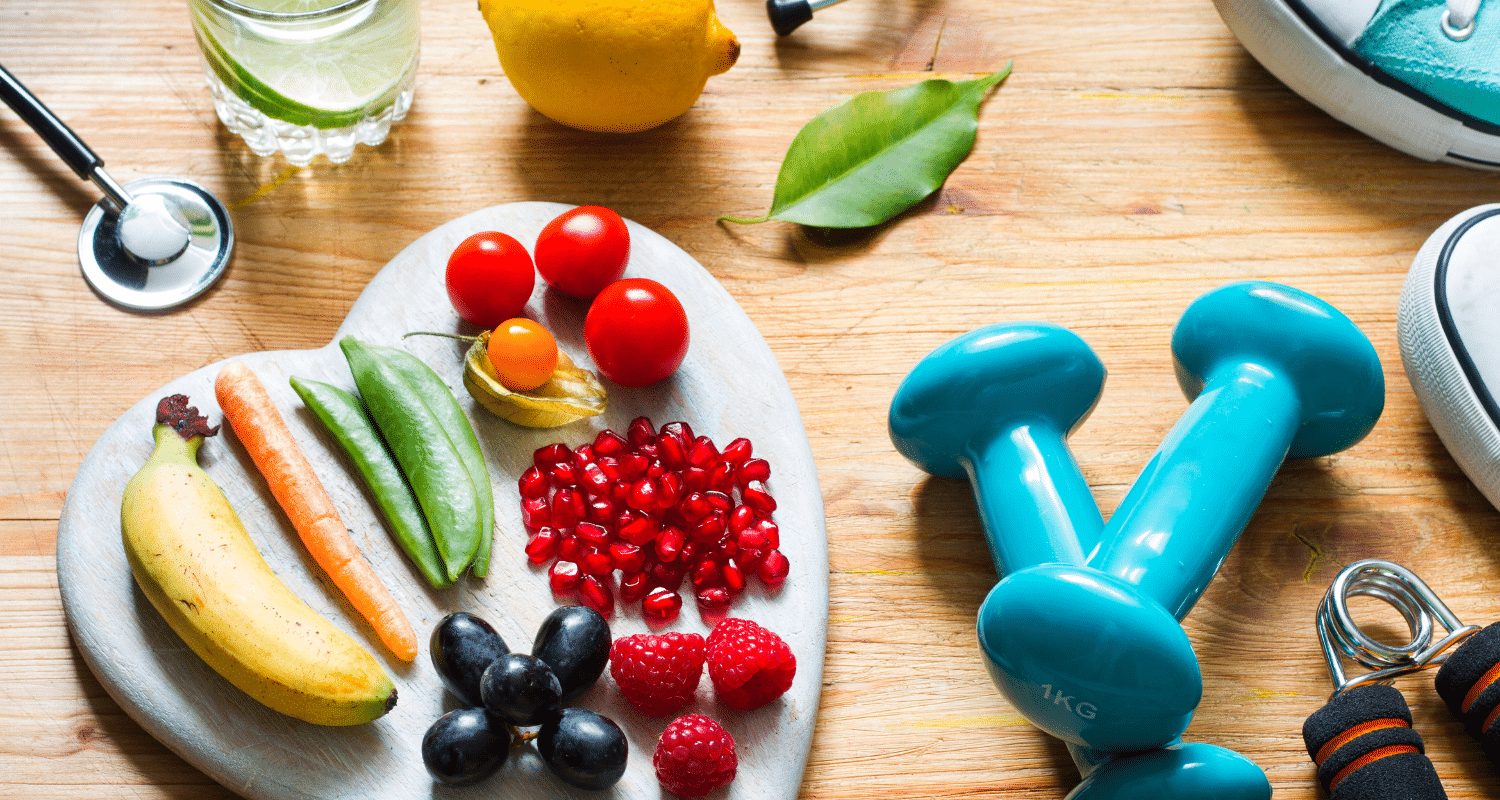
A diet that is high in fruit and vegetables is one of the best and most delicious ways to protect your arterial and overall health. Eating a plant-based diet has been linked to lower risk for heart attacks, strokes, high blood pressure, eye and digestive problems and several forms of cancer. What’s more, vegetables have been called a dieter’s best friend, since they are low in calories but high in fiber, helping you feel full. Fruits and vegetables are also rich in a wide range of other important nutrients, including vitamins A and C, potassium and folate.
And on a cold winter day, making soup is an easy way to warm up your kitchen, using what you already have in your pantry and fridge. Here’s how to build your own veggie soup adventure, with an easy recipe that has dozens of possible variations.
Try out different combinations and see which ones your family likes best. Soup almost always tastes even better on the second day, so this is the perfect recipe to double to make two or more meals. Chef tip: When selecting vegetables and herbs, keep their flavors in mind so they harmonize.
For example, corn, beans, tomatoes and peppers are a classic Southwestern combination that pairs well with chili powder and cilantro. When adding dried spices, use a small amount, such as half a teaspoon at a time, and taste as you go to avoid seasoning overload.
Ingredients
- Aromatics, such as 3 cloves of garlic and/or 1 cup of chopped shallots, onion or leeks.
- 1-2 pounds of vegetables, such as cabbage, carrots, cauliflower, celery, endive, kale, green beans, peas, peppers, spinach, sweet potatoes, tomatoes, zucchini, etc
- 2 tablespoons of oil, such as extra virgin olive oil, avocado oil, coconut oil or walnut oil
- Seasonings of your choice, such as bay leaves, oregano, cumin, chili powder, curry powder, paprika, or freshly ground pepper.
- 6 cups of liquid, such as low-sodium broth, tomato juice or water. You can also adjust the flavor by adding a little lemon juice, red or white wine, vinegar or hot sauce. If the soup is too thick, add more liquid as needed.
- Garnishes, such as freshly chopped parsley or other herbs, a dollop of yogurt, toasted pine nuts, or a sprinkling of Parmesan cheese.
Trim and chop or slice vegetables into bite-sized pieces. Dice aromatics. Heat the oil in a large pot over medium heat. Sauté the aromatics until fragrant and softened (about 5 minutes).
Add chopped vegetables and cook over medium heat until they are lightly browned and starting to soften. Add spices and cook one additional minute. Add liquid and bring to simmer.
Reduce heat to low and cover the pot. Simmer until all of the vegetables are tender (about 45-60 minutes). Taste soup and adjust seasonings if necessary.
If desired, puree with an immersion blender. Remove from heat and transfer into serving bowls. Add garnish of your choice and enjoy! Adapted.

Heart Benefits of Vegetable Soup
A heart-healthy perfect vegetable soup recipe is one of the easiest ways to support cardiovascular wellness. Soups made with a variety of colorful vegetables provide antioxidants that protect arteries and fight inflammation. Choosing a low-sodium vegetable soup heart option helps manage blood pressure and reduces stress on the cardiovascular system.
Adding beans or peas makes this a cholesterol-friendly veggie soup, offering fiber that lowers LDL cholesterol. Recipes that use olive oil and fresh herbs can also mirror a Mediterranean veggie soup heart style, long linked with better outcomes for patients with heart disease.
Because this dish is plant-based, it also works well as a gluten-free veggie soup for heart health and is a diabetic-safe vegetable heart meal when made without added sugars or refined carbs.
This type of veggie-packed heart soup shows how simple ingredients can turn into powerful nutrition for long-term cardiovascular wellness.
FAQs
Is vegetable soup good for heart patients?
Yes. A heart-healthy vegetable soup recipe made with fresh produce, beans, and low-sodium broth supports circulation, lowers cholesterol, and helps manage blood pressure.
Is pea soup good for your heart?
Yes. Peas are high in fiber and protein, making them excellent for a cholesterol-friendly veggie soup. They support digestion and help maintain healthy blood pressure.
Is a tin of vegetable soup healthy?
Canned soups can be nutritious but often contain excess salt. For a low-sodium vegetable soup heart option, check labels carefully or make your own at home.
What are heart-healthy soups?
Soups made with a wide mix of nutritious vegetables, beans, herbs, and olive oil are the best. Choices like gluten-free veggie soup for heart health or Mediterranean veggie soup heart recipes are excellent examples.
About the Author: Ed Price