Know Your Risk Before It Strikes
Your arteries could be hiding early disease. Find out today.
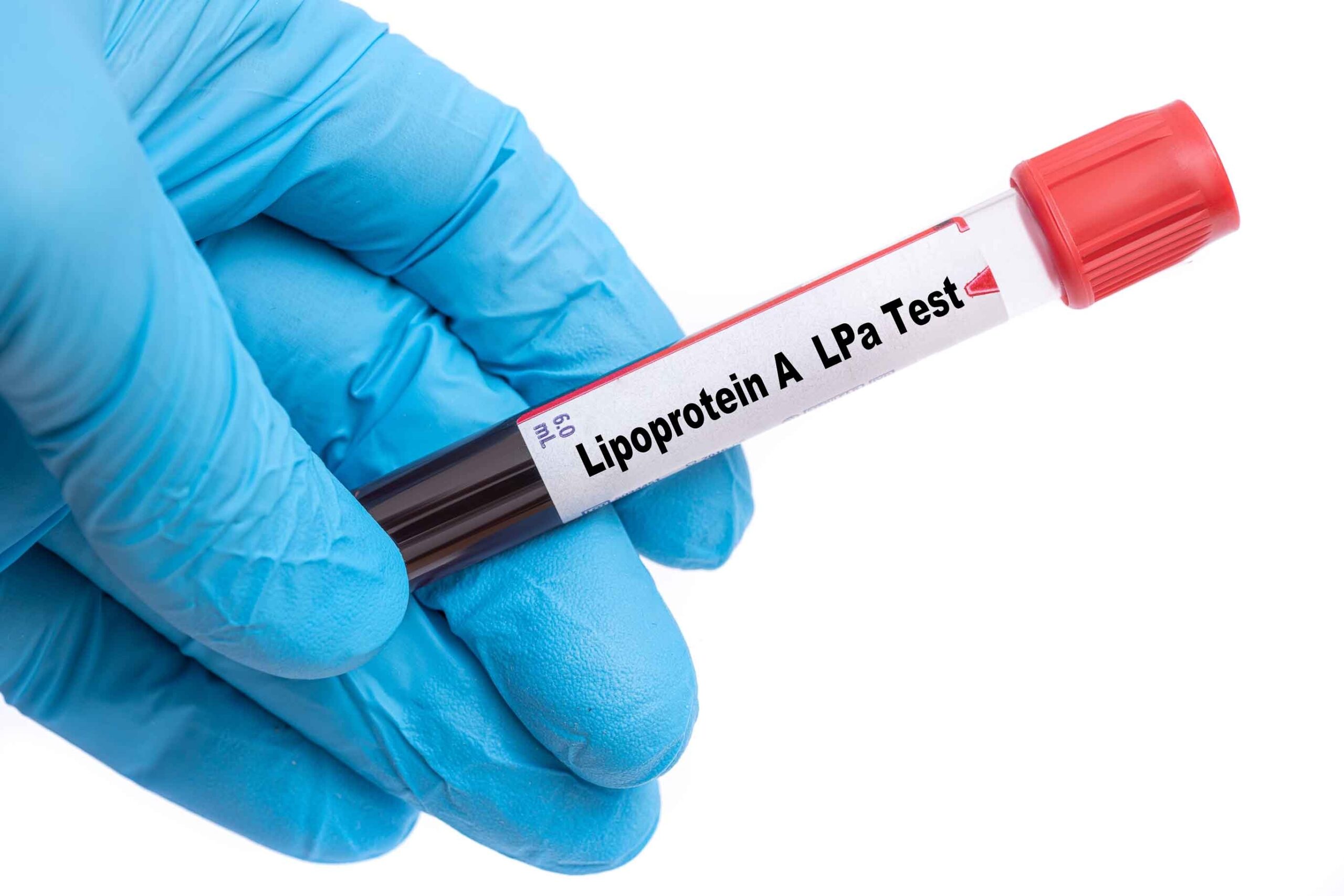
Lipoprotein(a) is a genetic risk factor for arterial disease. Knowing your lipoprotein test normal range and recognizing symptoms of high lipoprotein(a) is key. While largely inherited, foods to reduce lipoprotein(a) and strategies to reduce lipoprotein(a) naturally can support heart health and improve life expectancy with high lipoprotein(a).
Our commitment to comprehensive cardiovascular care has been steadfast for more than 20 years; this includes evidence-based genetic testing. One genetic test garnering recent public attention is lipoprotein(a), an inherited lipid disorder affecting around 23% of the population. Though it is just now showing up in the mainstream media, Lipoprotein(a) is nothing new for Bale Doneen providers. The Bale Doneen Method has recommended Lp(a) testing for more than two decades. In other words, if you have been a patient in our program, your lipoprotein(a) level has been tested and if abnormal, has been treated appropriately.
Considering recent direct-to-consumer marketing of new pharmaceutical treatments on the horizon, it is essential to dive further into this subject and to clarify misconceptions while emphasizing the long-standing awareness and management we have undertaken regarding this condition.
What is Lipoprotein(a)?
Lipoprotein(a), or Lp(a), consists of a cholesterol particle bound to a unique protein called apolipoprotein(a). This lipid compound significantly increases the risk for early and aggressive atherosclerotic disease, including coronary artery disease and aortic valve calcification. Unlike other lipoproteins, Lp(a) is inherited from one or both parents, creating family histories littered with tales of heart attacks and strokes in young, otherwise healthy individuals. Because lipoprotein(a) is a genetic marker, if your level is within normal limits, it never needs to be tested again.
Our Pioneering Approach: Long-Standing Awareness and Proactive Treatment.
Contrary to the misconceptions created by recent marketing campaigns, Lp(a) is far from a new discovery. Experts in the field of lipidology and preventive cardiology have long recommended Lipoprotein(a) be tested once in all adults for risk stratification: an approach supported by an abundance or scientific evidence. For example, a collection of 2009 genetic studies proved that Lp(a) elevation was a causative factor in acute coronary events, and a 2014 study showed that Lp(a) elevation enhanced cardiovascular risk and suggested reclassification of up to 40% of previously intermediate risk individuals. In addition, the 2022 European Consensus statement on Lp(a) states that Lp(a) should be measured at least once in adults; that interpretation of Lp(a) should impact overall CVD risk category; and that more intensified treatment may be warranted based on a positive result. In short, it is not new, and it is a big deal.
For more than 2 decades the Bale Doneen Method has followed the growing body of evidence that Lp(a) elevation is a major player in early, aggressive arterial disease. Studies conducted by Willeit et al. (2014, 2018) and Lange et al. (2016) underscore the significance of baseline Lp(a) levels in predicting both initial and recurrent cardiovascular events, reiterating the critical role of a proactive approach to cardiovascular disease prevention. We are proud to have long offered this individualized care to our patients treated under the Bale Doneen Method and will continue to seek out the most robust evidence for the treatment of this disorder.
Treatment: Current and Future
Currently, the only approved treatment for Lp(a) elevation is Vitamin B3, or Niacin. Niacin has been used for more than 50 years to reduce cardiovascular events and mortality and is known to lower lipoprotein(a) concentration by silencing the Apo(a) gene expression in the liver cells. The effect of Niacin is dose-dependent, leading to a 25-38% reduction in Lp(a) concentration when administered at a dose of 2-4 grams daily. Vitamin B3 has been a mainstay of treatment within The Bale Doneen Method, and we will continue to utilize this powerful tool until we have something safe and superior to offer our patients.
Recent media attention and direct-to-consumer marketing has stemmed from the development of a new class of medications aimed at eliminating the increased cardiovascular risk posed by lipoprotein(a) elevation, Antisense Oligonucliotides (ASOs). ASOs are designed to inhibit Apo(a) mRNA and preliminary study results show an impressive reduction in Lp(a) (up to 90%). However, these drugs remain in the human trial phase with no published data on CV event or aortic valve disease reduction.
While we always welcome and appreciate any public health campaign highlighting the importance of a proactive and genetically driven approach to cardiovascular care, we recognize that the emergence of new pharmaceuticals is largely driving this messaging. As we start to hear more and more directed at consumers, we urge you to remember that we are aware of the new developments and will continue to share what we learn about these new treatments — and will be the first to discuss a treatment change if the data robustly supports their use and safety.
At The Prevention Center, our dedication to proactive health care encompasses early identification, continual monitoring and effective management of lipoprotein(a) and related risk. We strive to always remain up to date with new advancements in treatment and are committed to ensuring our patients receive the very best comprehensive and personalized care.
Reducing Lipoprotein(a): Lifestyle and Nutritional Support
Although Lipoprotein(a) is largely genetic, certain dietary and lifestyle measures may help support overall cardiovascular health and complement medical management. While these steps cannot directly alter your genes, they can minimize the harmful effects of elevated Lp(a) and reduce overall risk for heart attack and vascular disease.
A balanced diet rich in omega-3 fatty acids, antioxidants, and plant-based foods can help lower inflammation and support optimal lipid metabolism. Some of the foods known to reduce lipoprotein(a) impact include:
- Fatty fish such as salmon and sardines, which provide omega-3s that improve arterial health.
- Nuts and seeds, especially walnuts and flaxseed, which help maintain favorable lipid profiles.
- Leafy greens and cruciferous vegetables for their antioxidant and anti-inflammatory diets benefits.
- Olive oil and avocados, which contain monounsaturated fats beneficial for heart function.
In addition to diet, regular physical activity, maintaining a healthy body weight, and avoiding tobacco exposure are proven strategies to improve cardiovascular outcomes. Although these measures don’t directly lower Lp(a) levels, they help mitigate the overall risk burden associated with elevated lipoprotein(a).
Understanding Your Lipoprotein(a) Test
A lipoprotein(a) test is a one-time blood test that measures the concentration of Lp(a) in the bloodstream. Because it is genetically determined, if your result falls within the normal range (typically less than 30 mg/dL or 75 nmol/L), no further testing is required. For individuals with elevated results, periodic monitoring and comprehensive cardiovascular risk evaluation are advised.
It’s important to note that symptoms of high lipoprotein(a) are not usually apparent until arterial disease develops. This makes early testing crucial for prevention. Those with a strong family history of premature heart disease or stroke should consider Lp(a) testing as part of their preventive care plan.
Life Expectancy and Risk Management
People with high lipoprotein(a) levels can still live long, healthy lives if risk factors are addressed early and consistently. Managing blood pressure, blood sugar, inflammation, and LDL cholesterol all key components of The Bale Doneen Method plays a major role in protecting arterial health and extending life expectancy with high lipoprotein(a).
While treatment for high lipoprotein(a) currently centers on niacin and aggressive risk reduction, upcoming therapies such as antisense oligonucleotides offer hope for even more targeted care in the future.
FAQs
What vitamins are good for lipoprotein(a)?
Vitamin B3 (niacin) remains the primary vitamin known to reduce lipoprotein(a) levels. Some evidence also suggests that vitamins C and D, along with omega-3 fatty acids, may support vascular function and reduce inflammation.
How to reduce lipoprotein(a)?
Lp(a) levels cannot be significantly changed through lifestyle alone, but following a heart-healthy diet, avoiding smoking, staying physically active, and managing other cholesterol levels can help reduce total cardiovascular risk.
What causes lipoprotein(a) to be high?
Elevated lipoprotein(a) is inherited from one or both parents. It is determined by genetic variants in the LPA gene and is not significantly influenced by diet or lifestyle.
Does vitamin C reduce lipoprotein(a)?
Current evidence does not confirm a direct effect of vitamin C on Lp(a) levels, though it supports overall arterial health and may aid in reducing oxidative stress.
Resources
https://eas-society.org/page/lipoproteina-consensus-2022/?
https://pubmed.ncbi.nlm.nih.gov/36036785/
https://academic.oup.com/eurheartj/article/43/39/3925/6670882?
About the Author: Ed Price