Know Your Risk Before It Strikes
Your arteries could be hiding early disease. Find out today.
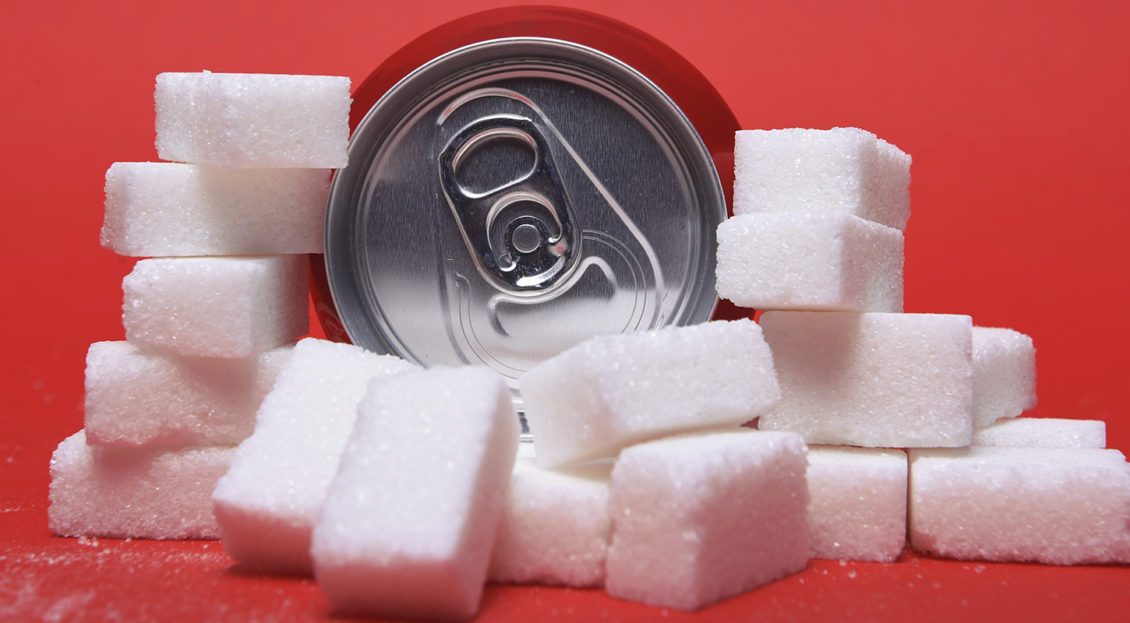
For 50 years, saturated fat–found in meat, butter, cheese, and many baked goods and fried foods–has been demonized as the no. 1 dietary villain in cardiovascular disease (CVD). Yet decades of research show that sugar is actually even worse for the heart than saturated fat. In fact, a diet high in sugar triples risk for fatal CVD, according to a study published in Progress in Cardiovascular Diseases earlier this year. Excessive sugar intake also raises risk for diabetes, obesity, chronic inflammation and some forms of cancer.
The researchers reported that consuming a high-sugar diet for even a few weeks can trigger many abnormalities that boost risk for CVD, including elevated total cholesterol, triglycerides, and LDL (bad) cholesterol; insulin resistance; and low HDL (good) cholesterol. As the annual candy-fest known as Halloween approaches, here are heart-smart ways to slash sugar intake without feeling deprived. You’ll also be delighted to learn that some tasty treats are actually good for your heart!
Ditch sweet drinks
Consuming just one or two sugar-sweetened beverages daily–such as energy drinks, fruit drinks, soda, or coffee drinks–raises risk for a heart attack or dying from CVD by 35 percent, diabetes risk by 26 percent, and stroke risk by 16 percent, according to a 2015 Harvard study. Sweet drinks have been called “liquid candy” and rank as the top source of added sugar in the U.S. diet. Quench your thirst with plain or sparkling water flavored with a spritz of lemon or lime.
Be a food label detective
About 75 percent of packaged foods contain added sugar, including many that you don’t think of as sweet, such as tomato sauce, salad dressing, and many sauces and condiments. Watch out for sugar’s various aliases on food labels, such as sucrose (table sugar), corn syrup, molasses, honey, fructose and almost any other ingredient that ends with “ose.” A good rule is to avoid any food that lists sugar in any of its guises among the first 3 ingredients.
Nibble on dark chocolate
Amazing, but true: Eating dark chocolate could save your life! A study of more than 19,000 people, published in European Heart Journal , found that those who ate an average of 7.5 grams of chocolate daily (one small square) had lower blood pressure and were 39 percent less likely to suffer a heart attack or stroke than those who averaged 1.7 grams or less daily. An even bigger study found eating small amounts of chocolate trimmed diabetes risk by 31 percent.
Satisfy your sweet tooth with fresh fruit
Research shows that people whose diet is highest in fruit and vegetables have the lowest risk for stroke. Not only is fruit naturally sweet and packed with heart-healthy nutrients, but it’s also an excellent choice for dessert. For example, try sprinkling baked apples with cinnamon–a spice that helps lower diabetes risk–or when you bake, swap unsweetened applesauce for sugar in recipes (use an equal amount). Instead of adding sugar to oatmeal or cereal in the morning, try using bananas, cherries or blueberries.
Rethink your sports drink
Fall is a wonderful time to exercise outdoors and enjoy the seasonal changes during your workout. However, many sports drinks are high in sugar or artificial sweeteners. In most situations, water is the best hydrator for sports activities. If you’re sweating heavily or are concerned about electrolyte loss, adding a small amount of coconut water to your water bottle or eating fruit, such as a banana or orange, will give you ample electrolytes. As always, check with your medical provider to make sure the type of exercise you find enjoyable is appropriate for you. We recommend 22 minutes or more of physical activity daily to keep your heart healthy.
Track your sugar intake—and choose healthier foods
Current government dietary guidelines advise limiting added sugars to less than 10 percent of your daily calories, citing “strong evidence” that low intake cuts risk for CVD. The best way to cut down on sugar is to swap processed foods (those that come in cans, bags or boxes) for natural ones, such as fresh produce, fish, whole grains, heart-healthy oils, and nuts. Reduce the temptation to reach for sugary snacks by keeping healthy munchies available, such a few nuts, apple or pear slices, or carrot and celery sticks with hummus.
Many people wonder what hurts the heart more saturated fat or sugar. Both can cause trouble if you eat too much. Added sugar raises blood pressure and stores extra fat in the body. Too much saturated fat blocks blood flow and puts strain on the heart. Eating both in large amounts makes things worse.
When it comes to saturated fat vs sugar heart health, sugar does faster harm. Sweet drinks and snacks filled with fructose damage the heart slowly. Too much fat from fried food can also lead to a heart attack. Both can cause inflammation in the heart, and that’s where most problems start.
Doctors say to limit SFA for coronary artery disease and keep sugar low, too. The Mediterranean diet works well because it uses olive oil, nuts, and fish instead of junk food. It helps stop saturated fat obesity CVD and supports better heart health. The simple rule is — eat real food, avoid fried and sugary stuff, and move your body every day.
FAQs
Is saturated fat or sugar worse for your heart?
Sugar harms the heart faster. It leads to swelling inside the arteries.
What is the #1 best food for your heart says a cardiologist?
Fish like salmon. It has healthy fat that keeps the heart strong.
Which is more unhealthy, fat or sugar?
Both are bad in large amounts. The danger comes from eating them too often.
Is sugar healthy for the heart?
No. Too much sugar makes the heart weak over time.
Resources
https://health.clevelandclinic.org/which-is-worse-for-you-fat-or-sugar
About the Author: Carol