
Cholesterol Testing Kits
Cholesterol testing kits let you check your blood cholesterol at home. You no longer need a clinic visit to get a basic reading. These kits have grown popular because they are fast, private, and easy to use.
Cholesterol plays a large role in heart health. High levels can raise your risk of heart attack and stroke. Regular checks help you catch problems early and track how well your treatment is working.
There are several types of cholesterol testing kits on the market. Some check only total cholesterol. Others give a full lipid profile with HDL, LDL, and triglycerides. Mail in kits send your sample to a lab for full analysis.
This guide covers how these kits work, how accurate they are, how to use one, and how to read your results. You will also learn what to look for when buying a kit and how this fits into a full plan for heart health, including programs built around the BaleDoneen Method.
What Are Cholesterol Testing Kits?
A cholesterol testing kit is a home diagnostic device that measures blood cholesterol levels using a finger prick blood sample. Depending on the kit, it may measure total cholesterol alone or provide a full lipid profile including HDL, LDL, and triglycerides.
These kits give people a way to check their numbers without a doctor visit. Most work by placing a drop of blood on a test strip, then reading the result with a small meter or comparing colors on the strip.
Home kits differ from lab testing in a few ways. Lab tests use blood drawn from a vein and processed through certified equipment. Home kits use less blood and give faster results, but they usually offer less detail than a full lab panel.
Home testing works well for regular monitoring. Lab testing still matters for diagnosis and for a full picture of your cholesterol management plan.
How Do Cholesterol Testing Kits Work?
Most kits use one of three methods: a finger prick with a digital meter, a color based test strip, or a mail in sample sent to a lab.
The finger prick method is the most common. A small lancet draws a drop of blood. You place this drop on a test strip and insert it into a meter, or you read the strip using a color chart. Chemical reactions on the strip cause a color change or an electric signal that reflects your cholesterol level.
Electronic Cholesterol Meters
Electronic meters give a digital reading within a few minutes. You place a blood sample on a test strip, insert the strip into the meter, and the device shows a number on its screen.
Common examples include CardioChek, Mission Cholesterol Meter, HeartsCare, and Curo L5. These devices vary in price, accuracy, and the number of values they measure. Some show total cholesterol only, while others give a broader lipid profile similar to what you would get through lipid particle panels used in clinical settings.
Color Based Cholesterol Test Strips
These strips work through a color change reaction. After you apply blood to the strip, you compare the resulting color to a printed chart to get a rough range for your cholesterol level.
This method is called semi quantitative because it gives a range rather than an exact number. It costs less than digital meters and needs no extra equipment. The tradeoff is lower precision, so it works best as a quick screening tool rather than a way to track small changes over time.
Mail In Cholesterol Test Kits
Mail in kits let you collect a small blood sample at home, usually through a finger prick, and send it to a certified lab. The lab runs a full analysis and sends your results through an app or online portal within a few days.
Popular brands include Everlywell, LetsGetChecked, Labcorp OnDemand, and myLAB Box. These kits often give more complete results than home meters because they use the same lab equipment found in clinics. They fit well into a broader plan of advanced cardiovascular testing for people who want a fuller risk picture.
Types of Cholesterol Testing Kits
Total Cholesterol Test Kits
These kits check only your total cholesterol number. They work well for a quick check but do not break down the different types of cholesterol in your blood.
Lipid Profile Test Kits
These kits measure total cholesterol, HDL, LDL, and triglycerides. This gives a fuller view of your cardiovascular risk and matches more closely with what doctors look at during a standard visit, including markers tied to triglycerides and inflammation.
Multi Parameter Health Monitors
Some devices go beyond cholesterol. They can also check blood glucose, uric acid, ketones, and hemoglobin. These combo devices work well for people managing several health conditions at once.
What Does a Cholesterol Test Measure?
Most cholesterol testing kits measure total cholesterol, while advanced lipid profile kits also measure HDL cholesterol, LDL cholesterol, triglycerides, and cholesterol ratios to help assess cardiovascular risk.
Total Cholesterol is the sum of all cholesterol types in your blood, including HDL, LDL, and a portion of your triglycerides.
HDL (Good Cholesterol) helps clear extra cholesterol from your bloodstream. Higher HDL levels usually support better heart health.
LDL (Bad Cholesterol) can build up in artery walls and raise your risk of blockages. Learn more about how these two types work together on our LDL and HDL explained page.
Triglycerides are a type of fat found in your blood. High levels often link to poor diet, excess weight, or other metabolic problems.
Non HDL Cholesterol is your total cholesterol minus your HDL. It gives a combined view of the cholesterol types linked to higher risk, including lipoprotein(a).
Cholesterol Ratios compare your total cholesterol to your HDL. Doctors use this ratio alongside other numbers to judge overall risk.
Who Should Use Cholesterol Testing Kits?
Home cholesterol tests work well for people who:
- Already have high cholesterol and want to track changes
- Have diabetes, high blood pressure, or obesity
- Have existing heart disease
- Have a family history of heart problems, including familial hypercholesterolemia
- Smoke
- Are older adults
- Want general preventive screening
If you fall into any of these groups, a home kit can help you stay on top of your numbers between checkups.
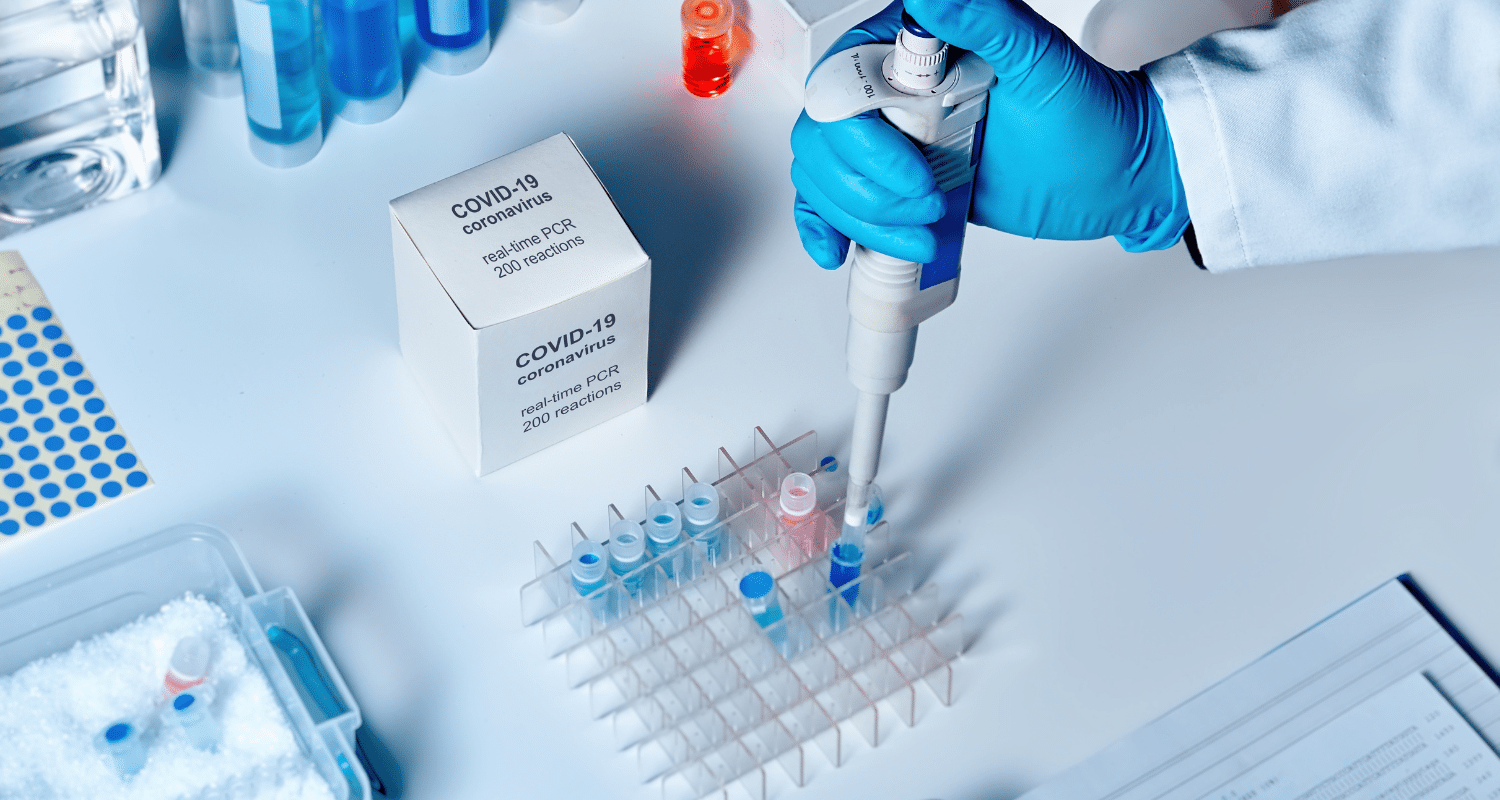
How to Use a Home Cholesterol Test Kit
Step 1: Prepare your equipment. Lay out your lancet, test strip, meter, and alcohol wipe.
Step 2: Wash your hands. Use warm water and soap, then dry fully. Clean hands help avoid errors in your reading.
Step 3: Use the lancet. Prick the side of your fingertip with the lancet provided in your kit.
Step 4: Collect your blood sample. Gently squeeze your finger to form a small drop of blood.
Step 5: Apply the sample. Touch the blood drop to the test strip as shown in your kit instructions.
Step 6: Insert the strip. Place the strip into your meter, if your kit uses one.
Step 7: Read your results. Wait for the display or color chart to show your reading.
Step 8: Dispose of materials safely. Place the lancet and used strip in a sharps container or sealed bag before throwing them away.
Understanding Cholesterol Test Results
Cholesterol levels fall into general ranges. These ranges help you and your doctor judge your risk level.
| Category | Total Cholesterol (mg/dL) | LDL (mg/dL) | HDL (mg/dL) |
| Normal | Below 200 | Below 100 | 60 or higher |
| Borderline High | 200 to 239 | 100 to 159 | 40 to 59 |
| High | 240 and above | 160 to 189 | Below 40 |
| Very High | N/A | 190 and above | N/A |
If your results fall in the borderline or high range, talk to your doctor. They may check other markers too, such as CRP blood test results, to get a fuller picture of your heart health.
Are Home Cholesterol Testing Kits Accurate?
Are home cholesterol testing kits accurate? Home cholesterol testing kits can provide reliable results when used correctly, especially FDA cleared electronic meters and laboratory mail in tests. However, they should not replace professional laboratory testing or medical evaluation.
A few factors affect how accurate your result will be:
- Proper blood sample collection
- Correct storage of test strips
- Checking expiration dates before use
- Regular meter calibration
- User technique and following instructions closely
- Whether the device holds FDA clearance and clinical validation
Kits that carry FDA clearance tend to give more consistent results than uncertified strips or meters. Still, even the best home kit works best as a screening tool, not a full diagnostic test.
Benefits of Cholesterol Testing Kits
Home cholesterol tests offer several advantages:
- Fast results, often within minutes
- Convenient use at home without an appointment
- Useful for tracking treatment progress over time
- Easy to pack and use while traveling
- Good option for regular preventive screening
- No wait time at a clinic or lab
Limitations of Home Cholesterol Tests
Home kits also come with some downsides:
- Limited diagnostic detail compared to a full lab panel
- Higher chance of user error during sample collection
- Cannot diagnose heart disease on their own
- Some kits check total cholesterol only, missing HDL and LDL detail
- Results still need review by a doctor or trained provider
- Abnormal readings call for a follow up visit and further testing, such as electrocardiogram or blood work
Home Cholesterol Test vs Laboratory Lipid Panel
| Feature | Home Test | Laboratory Test |
| Accuracy | Good | Highest |
| Cost | Moderate | Moderate |
| Speed | Minutes to days | Same day to a few days |
| Full lipid profile | Some kits | Yes |
| Physician review | Optional | Usually included |
| Diagnostic reliability | Screening | Diagnostic |
A home test works well for regular checks between visits. A lab panel gives your doctor the full detail needed to guide treatment, especially if they suspect coronary artery disease or another serious condition.
Factors That Affect Cholesterol Test Results
Several things can change your reading on test day:
- Fasting or not fasting before the test
- Recent meals, especially fatty foods
- Exercise right before testing
- Alcohol use
- Smoking
- Stress levels
- Certain medications
- Time of day
- Recent illness
- Hydration levels
For the most accurate reading, follow the fasting instructions that came with your kit and try to test under similar conditions each time.
Best Features to Look for When Buying a Cholesterol Testing Kit
When choosing a kit, look for these features:
- Proven accuracy backed by clinical studies
- FDA clearance or CE marking
- A clear digital display
- Memory storage for past readings
- Bluetooth connection to a phone app
- Easy access to replacement test strips
- Simple calibration steps
- Reasonable cost per test
- Fast result time
- Long battery life
- A solid warranty
Cholesterol Testing Devices and Technology
Cholesterol testing has moved past basic strips. Many devices now use optical sensors or electrochemical biosensors to read your sample with more precision.
Portable lipid analyzers give clinics and home users a quick way to check multiple values at once. Some newer devices connect to the cloud, so your readings save automatically and sync with health apps. A few tools now use simple data patterns to flag trends in your numbers over time, adding another layer of insight beyond a single test.
Clinical Applications of Cholesterol Testing Kits
Cholesterol testing kits show up in many care settings:
- Primary care offices for quick screening
- Cardiology clinics for ongoing monitoring
- Community health screening events
- Corporate wellness programs
- Home healthcare for patients managing chronic conditions
- Telemedicine visits, where a home reading supports a virtual checkup
- Clinical research studies
- Preventive medicine programs, including plans built around diabetes prevention
Future Trends in Cholesterol Testing
Home cholesterol testing keeps improving. A few trends worth watching include:
- Smarter health monitoring tools that track patterns over time
- Bluetooth enabled meters that sync straight to your phone
- Mobile health apps that store and organize your results
- Cloud based reporting shared directly with your doctor
- Early research into continuous lipid monitoring
- Wearable biosensors that track health markers throughout the day
- Broader digital health tools that connect all your readings in one place
Final Thoughts
Cholesterol testing kits give you an easy way to check your numbers without leaving home. They work well for regular monitoring, tracking treatment, and general screening. For full diagnosis and treatment planning, a lab panel and a doctor’s review still matter most.
If your results show high cholesterol or other warning signs, a deeper look at your heart health can help you catch problems early. The BaleDoneen Method combines advanced testing with personalized care to find and treat the root causes of heart disease before a heart attack or stroke happens.