
Blood Pressure Monitors: Complete Guide
A blood pressure monitor is a tool you can use at home to check how hard your blood pushes against your artery walls. More people use these devices now than ever before.
High blood pressure affects a large share of adults. Many do not feel any symptoms, so regular checks matter. A home monitor lets you track your numbers between doctor visits and catch changes early.
Checking your blood pressure at home comes with real benefits. It helps you and your doctor see how well treatment works. It also gives a fuller picture than a single reading taken during a short office visit.
This guide walks through the different types of monitors, how they work, how accurate they are, and what to look for when you buy one. You will also learn how to take a correct reading and how this fits into a full plan for hypertension management.
What Is a Blood Pressure Monitor?
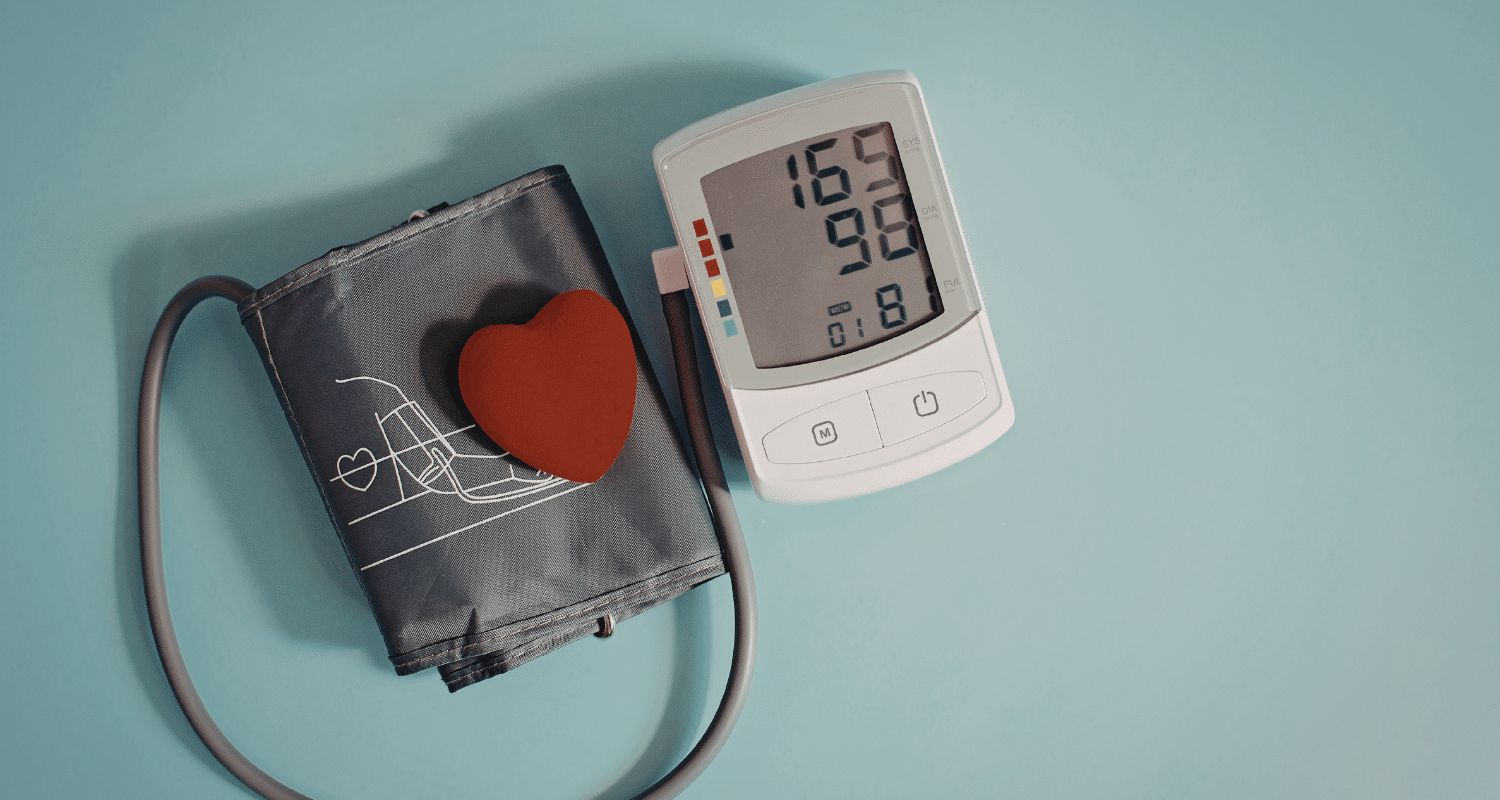
A blood pressure monitor is a medical device that measures the force of blood against artery walls. Most home monitors automatically measure systolic and diastolic blood pressure using an inflatable cuff placed around the upper arm or wrist.
The device gives you two numbers. The top number is systolic pressure, the force in your arteries when your heart beats. The bottom number is diastolic pressure, the force when your heart rests between beats.
These monitors play a large role in managing high blood pressure. Regular checks help your doctor decide if your treatment plan is working or needs a change.
How Does a Blood Pressure Monitor Work?
Most home monitors use a method called oscillometric technology. The cuff inflates around your arm, then slowly releases air. As it deflates, sensors inside the device pick up small changes in pressure caused by your pulse. A built in processor turns these changes into your systolic and diastolic numbers.
Older manual devices use a different approach called the auscultatory method. A trained person listens through a stethoscope while watching a pressure gauge, and the sound of blood flow marks each reading point.
Digital Blood Pressure Monitors
Digital monitors inflate the cuff on their own using a small pump. Inside the device, electronic sensors read the pressure changes and display your result on a screen. Many models store past readings in memory, and some sync with an app over Bluetooth.
Manual Blood Pressure Monitors
A manual monitor, also called an aneroid sphygmomanometer, uses a hand pump, a gauge, and a stethoscope. Clinics still use these because a trained user can get very precise readings. At home, though, they take more practice and carry a higher chance of error.
Types of Blood Pressure Monitors
Upper Arm Blood Pressure Monitors
Upper arm monitors give the most accurate readings among home devices. Health groups recommend them for home use because the upper arm sits close to heart level and gives a more reliable signal than other spots on the body.
Wrist Blood Pressure Monitors
Wrist monitors are smaller and easier to pack for travel. They come with a catch though. Your wrist must sit exactly at heart level during the reading, or the result can be off by a wide margin.
Finger Blood Pressure Monitors
Finger monitors are the most convenient to carry, but they also give the least reliable readings. Most doctors do not recommend them for regular use.
Ambulatory Blood Pressure Monitors (ABPM)
An ambulatory monitor takes readings every 20 to 30 minutes over a full day, even while you sleep. Doctors use this test to confirm a hypertension diagnosis or check for ambulatory blood pressure monitoring patterns that a single office visit might miss.
Smart Blood Pressure Monitors
Smart monitors connect through Bluetooth or Wi-Fi to a phone app. They store your history in the cloud, track trends over time, and can share results directly with your doctor.
Why Monitor Blood Pressure at Home?
Home blood pressure monitoring helps detect hypertension, monitor treatment effectiveness, reduce white coat hypertension effects, and provide healthcare providers with more consistent blood pressure data.
Some people show higher readings in a clinic simply because of nerves. This is called white coat hypertension. Others show normal readings at the doctor’s office but higher numbers at home, known as masked hypertension. Home monitoring catches both patterns.
Tracking your blood pressure over time also supports long term goals like heart attack prevention and stroke prevention.
Who Should Use a Blood Pressure Monitor?
Home monitoring benefits many groups, including people with:
- Hypertension
- Diabetes
- Kidney disease
- Heart disease
- Pregnancy related blood pressure concerns
- High cardiovascular risk
- A family history of high blood pressure
Older adults and caregivers managing a loved one’s health also rely on home monitors to track daily changes.
How to Use a Blood Pressure Monitor Correctly
Step 1: Avoid caffeine, smoking, alcohol, and exercise for at least 30 minutes before testing.
Step 2: Empty your bladder before you begin.
Step 3: Sit quietly for five minutes with your back supported.
Step 4: Place the cuff on your bare upper arm, not over clothing.
Step 5: Keep your arm resting at heart level.
Step 6: Keep your feet flat on the floor and stay quiet during the reading.
Step 7: Take two readings about one minute apart.
Step 8: Write down both results or save them in your app.
How to Choose the Right Blood Pressure Cuff Size
A cuff that fits wrong can throw off your reading by a large amount. Cuffs come in a few standard sizes:
- Small cuff, for smaller arm circumference
- Standard cuff, for average adult arms
- Large cuff, for larger arms
- Extra large cuff, for the widest arm sizes
A cuff that is too small will often show a reading that is too high. A cuff that is too large may show a reading that is too low. Measure around the middle of your upper arm and check it against the sizing chart that comes with your monitor before you buy.
Understanding Blood Pressure Readings
Your reading includes systolic pressure, diastolic pressure, and often your pulse rate. Doctors group these numbers into categories to judge your risk.
| Category | Systolic | Diastolic |
| Normal | Below 120 | Below 80 |
| Elevated | 120 to 129 | Below 80 |
| Stage 1 Hypertension | 130 to 139 | 80 to 89 |
| Stage 2 Hypertension | 140 or higher | 90 or higher |
| Hypertensive Crisis | 180 or higher | 120 or higher |
If your reading falls in the hypertensive crisis range, seek medical care right away.
Are Home Blood Pressure Monitors Accurate?
Upper arm blood pressure monitors that are clinically validated and used correctly provide reliable home blood pressure readings. Organizations such as the American Heart Association recommend validated automatic upper arm monitors over wrist or finger devices.
Look for devices tested through recognized programs, since these go through independent accuracy checks. Even a validated device needs proper technique and regular calibration to stay accurate. Small mistakes, like a loose cuff or talking during the reading, can throw off your numbers.
Best Features to Look for When Buying a Blood Pressure Monitor
When shopping for a monitor, consider these features:
- Clinical validation from a recognized testing program
- Automatic inflation
- Irregular heartbeat detection
- Bluetooth connection
- A large, easy to read display
- Memory storage for past readings
- Support for multiple user profiles
- Voice guidance
- Rechargeable battery
- A travel case
- Smartphone app integration
- Cloud storage for long term tracking
Blood Pressure Monitor Technology
Newer monitors rely on oscillometric sensors paired with digital pressure sensors for a fast, steady reading. Many now include Bluetooth so results sync straight to a mobile health app.
Some devices support cloud syncing, which lets your doctor view your trends between visits. Remote patient monitoring programs use this same technology to keep an eye on patients managing chronic conditions from home. This pairs well with telehealth visits, where your doctor can review real data instead of a single office reading.
Benefits of Home Blood Pressure Monitoring
Checking your blood pressure at home offers real advantages:
- Early detection of rising numbers
- Better medication adherence
- Fewer unnecessary clinic visits
- A clearer view of long term trends
- Better overall control of hypertension
- Simple, convenient tracking on your own schedule
Limitations of Home Blood Pressure Monitors
Home monitors also come with some drawbacks:
- Wrong cuff placement can skew results
- The wrong cuff size affects accuracy
- User error during setup or positioning
- Battery problems over time
- Devices need regular calibration checks
- White coat and masked hypertension can confuse readings
- A doctor still needs to review your results for a full picture
Blood Pressure Monitor vs Manual Sphygmomanometer
| Feature | Digital Monitor | Manual Sphygmomanometer |
| Ease of use | Very easy | Requires training |
| Accuracy | High, with validated devices | Very high |
| Home use | Excellent | Limited |
| Automatic inflation | Yes | No |
| Bluetooth | Available | No |
| Clinical use | Yes | Yes |
Digital monitors work best for everyday home use because they need little training. Manual devices still hold value in clinical settings, where a trained provider can get very precise readings, sometimes alongside tools like cardiac catheterization for a fuller cardiovascular workup.
Applications of Blood Pressure Monitors
Blood pressure monitors show up across many care settings:
- Primary care offices
- Cardiology clinics
- Home healthcare
- Telemedicine visits
- Pregnancy monitoring, including checks tied to pregnancy related heart conditions
- Hospital wards
- Emergency departments
- Corporate wellness programs
- Clinical research studies
- Remote patient monitoring programs
Future Trends in Blood Pressure Monitoring
Blood pressure monitoring keeps changing with new technology. A few trends to watch include:
- Wearable devices built into watches and bands
- Cuffless monitoring under active research
- Smarter tools that flag patterns and risks over time
- Wider use of remote patient monitoring
- Early work on continuous, all day blood pressure tracking
- Smartwatches with built in health sensors
- Cloud connected systems that link your data across devices
- Tools that help predict risk before symptoms show up
Final Thoughts
A reliable blood pressure monitor gives you a simple way to track one of the most important markers of heart health. Choosing a validated upper arm device, using the right cuff size, and following proper technique all help you get accurate results.
Home readings work best alongside regular checkups and a full look at your cardiovascular health. The BaleDoneen Method builds a complete picture of your heart health by combining home monitoring with advanced testing designed to catch problems before they turn into a heart attack or stroke.