
Pulse Oximeters: Accuracy, Readings & Best Picks
A pulse oximeter is a small device that checks how much oxygen your blood carries. It clips onto your fingertip and gives a reading within seconds.
These devices grew popular during recent years, especially for people watching their lung and heart health at home. They are simple to use, low cost, and give useful information without a trip to the clinic.
This guide covers how pulse oximeters work, what a normal reading looks like, who should use one, and how to pick a reliable device. You will also find a buying guide, common mistakes to avoid, and answers to the most common questions people ask.
What Is a Pulse Oximeter?
A pulse oximeter is a small clip-on device that measures your blood oxygen saturation and pulse rate. Most models attach to a fingertip, though some clip onto an earlobe or a toe.
The device gives you two numbers. The first is your SpO2, or blood oxygen saturation, shown as a percentage. The second is your pulse rate, shown in beats per minute.
People use pulse oximeters to track their oxygen levels over time. This matters for anyone managing a lung condition, recovering from illness, or keeping tabs on general health. It also connects closely to heart health, since low oxygen levels can put extra strain on the heart and worsen conditions such as heart failure.
How Does a Pulse Oximeter Work?
A pulse oximeter uses a method called spectrophotometry. The device shines two types of light, red light and infrared light, through your fingertip.
Blood that carries plenty of oxygen absorbs light differently than blood that carries less oxygen. A sensor called a photodetector on the other side of your finger picks up how much of each light type passes through.
The device compares the light patterns from oxygenated hemoglobin and deoxygenated hemoglobin. A small processor turns this data into your SpO2 percentage and pulse rate within a few seconds.
What Does a Pulse Oximeter Measure?
SpO2 is your blood oxygen saturation level, shown as a percentage of how much oxygen your red blood cells carry.
Pulse rate shows how many times your heart beats each minute, similar to what you would track with a resting heart rate check.
Oxygen saturation reflects how well your lungs are moving oxygen into your bloodstream.
Heart rate patterns picked up by the device can sometimes hint at irregular rhythms, though a pulse oximeter is not a full substitute for an electrocardiogram.
Perfusion index, found on some higher end models, shows the strength of blood flow at the sensor site. This feature helps confirm whether a reading is reliable.
Normal Pulse Oximeter Readings
| Reading | Meaning |
|---|---|
| 95% to 100% | Normal |
| 91% to 94% | Monitor closely |
| Below 90% | Seek medical advice |
These ranges apply to most healthy adults. People with chronic lung disease often have different target ranges set by their doctor, so always follow personal guidance from your care team rather than a general chart.
Who Should Use a Pulse Oximeter?
A pulse oximeter helps many groups keep track of their health, including people with:
- COPD
- Asthma
- Pneumonia
- COVID recovery
- Sleep apnea, which also raises the risk of sleep apnea and arterial damage
- Heart disease
- Athletes tracking performance
- High altitude travelers
- Seniors managing multiple health conditions
Types of Pulse Oximeters
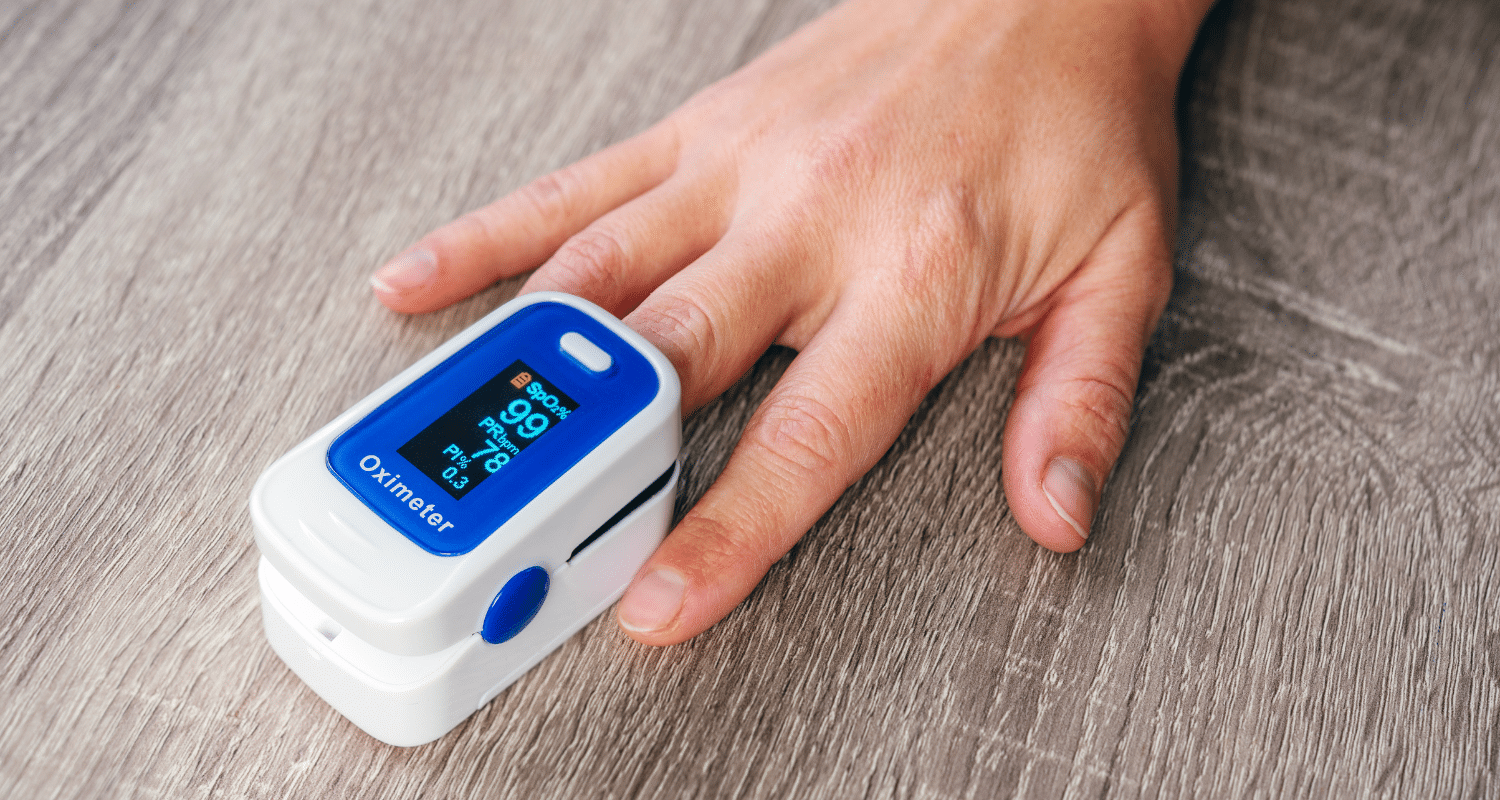
Fingertip pulse oximeters are the most common type. They clip onto a finger and give a quick reading on a small screen.
Handheld pulse oximeters connect to a separate sensor through a cable. Clinics often use these for more frequent or ongoing checks.
Wearable pulse oximeters fit onto a wrist or arm and track oxygen levels throughout the day or night.
Bluetooth pulse oximeters send readings straight to a phone app, which stores your history and shows trends over time.
Hospital grade pulse oximeters offer higher accuracy and extra features, built for constant monitoring in a clinical setting.
Pediatric pulse oximeters use smaller sensors designed for a child’s finger or toe.
| Type | Best For | Accuracy | Portability |
| Fingertip | General home use | Good | High |
| Handheld | Frequent clinical checks | High | Moderate |
| Wearable | Overnight tracking | Good | High |
| Bluetooth | App based tracking | Good | High |
| Hospital grade | Continuous monitoring | Very high | Low |
| Pediatric | Children | Good | High |
How to Use a Pulse Oximeter Correctly
Step 1: Warm your hands, since cold fingers can throw off the reading.
Step 2: Remove any dark nail polish or artificial nails.
Step 3: Sit still and relax for a minute before testing.
Step 4: Place your finger fully inside the clip, with your nail facing up toward the light source.
Step 5: Wait a few seconds for the reading to settle before you check the number.
Step 6: Write down both your SpO2 and pulse rate for your records.
Factors That Affect Accuracy
Several things can throw off a pulse oximeter reading:
- Cold hands
- Poor circulation
- Dark nail polish
- Artificial nails
- Movement during the reading
- Skin pigmentation
- Low blood pressure
- Carbon monoxide poisoning
- Bright ambient light near the sensor
Keeping your hand warm, still, and free of polish gives you the most reliable reading.
How Accurate Are Pulse Oximeters?
Clinical grade pulse oximeters used in hospitals go through strict FDA testing and tend to have a small margin of error, often within 2 percent of true blood oxygen levels.
Consumer devices sold for home use vary more widely in accuracy. Some studies show that skin tone can affect certain devices, with darker skin sometimes linked to less reliable readings on lower cost models. This makes it worth choosing a device that has gone through independent testing rather than picking the cheapest option available.
FDA Clearance vs FDA Approval
Medical devices sold in the United States usually carry FDA clearance rather than FDA approval. Clearance means the device has shown it works similarly to an existing approved device on the market.
Some pulse oximeters are sold as over the counter wellness devices and do not carry medical clearance at all. These work fine for general tracking but are not meant to guide medical decisions. Prescription grade devices go through stricter testing and are meant for patients managing a diagnosed condition.
Best Pulse Oximeters
Several well known brands make reliable pulse oximeters for home and clinical use.
| Brand | Best For | Bluetooth | FDA Cleared |
| Nonin | Medical grade accuracy | Some models | Yes |
| Masimo | Hospital and home use | Some models | Yes |
| Innovo | Everyday home tracking | Some models | Yes |
| Zacurate | Budget friendly use | No | Varies |
| Oxiline | Simple home monitoring | No | Varies |
| ChoiceMMed | General consumer use | Some models | Varies |
Always check the current listing and clearance status directly with the manufacturer before you buy, since product lines change often.
Pulse Oximeter Buying Guide
When shopping for a pulse oximeter, think about these features:
- Accuracy and independent testing history
- Display type, since OLED screens tend to be easier to read than basic LED screens
- Battery life
- Warranty length
- Bluetooth connection for app tracking
- Companion smartphone app quality
- Price against your budget
- FDA clearance or other recognized certification
A higher price does not always mean better accuracy, so compare test results and reviews rather than relying on price alone.
Pulse Oximeter vs Smartwatch
| Feature | Pulse Oximeter | Smartwatch |
| Accuracy | Higher | Moderate |
| Continuous monitoring | Limited | Yes |
| Medical reliability | Higher | Lower |
| Convenience | Good | Very good |
| Cost | Lower | Higher |
A dedicated pulse oximeter gives a more accurate spot check, while a smartwatch offers convenient tracking throughout the day. For anyone managing a heart or lung condition, a dedicated device still gives the more trustworthy number, especially alongside checks like an echocardiogram or a holter monitor.
Common Mistakes When Using a Pulse Oximeter
Watch out for these common errors:
- Testing with cold fingers
- Placing the finger incorrectly in the clip
- Moving your hand during the reading
- Reading the number too quickly before it settles
- Using a sensor with a dirty or scratched surface
Avoiding these mistakes gives you a far more reliable result each time.
Final Recommendations
Best overall: A fingertip model from a well established medical brand with strong independent testing.
Best budget: A basic fingertip device without Bluetooth, suited for occasional checks.
Best Bluetooth: A connected model that syncs to an app for easy tracking over time.
Best medical grade: A hospital grade device built for frequent or continuous monitoring.
Best for seniors: A simple model with a large display and easy one button operation.
Best for athletes: A lightweight fingertip or wearable model that gives a quick check during training.
Tracking your oxygen levels gives you one more piece of the full picture of your health. Alongside heart rate, blood pressure, and lipid numbers, this simple check helps you notice small changes before they turn into bigger problems. The BaleDoneen Method looks at markers like these together, combining home monitoring with advanced cardiovascular testing to catch risk early and support a longer, healthier life.