
Implantable Cardioverter Defibrillator (ICD): Uses, Types, and Risks
An implantable cardioverter defibrillator, or ICD, is a small device placed in the body to watch the heart rhythm and treat certain dangerous fast rhythms. It can pace the heart quickly or deliver a shock to bring the rhythm back to normal.
An ICD is meant to protect people at risk of sudden cardiac arrest. This article explains how it works, who may need one, the types, the implant procedure, recovery, risks, and what to expect long term.
This content is for general education and does not replace advice from a cardiologist or electrophysiologist.
What Is an Implantable Cardioverter Defibrillator (ICD)?
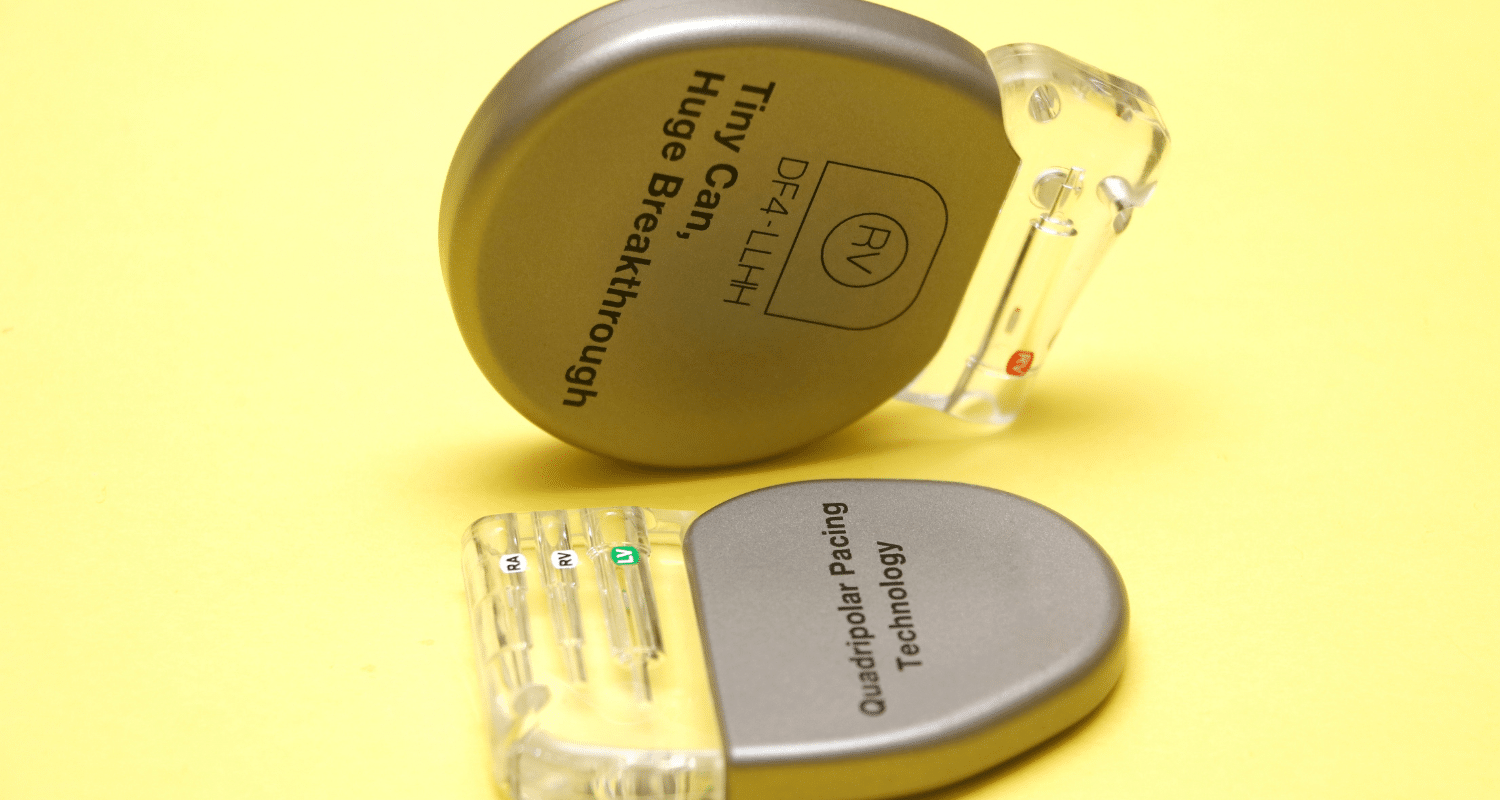
An ICD is a battery powered device that monitors the heart’s rhythm around the clock. It is usually placed under the skin below the collarbone, with one or more leads that connect to the heart.
A standard pacemaker mainly treats slow heart rhythms. An ICD is built to treat certain fast and dangerous rhythms. Some ICDs also include pacing, so they can do both jobs.
How Does an ICD Work?
The device reads the heart’s electrical signals all the time. If it detects a dangerous rhythm, it responds in steps.
Anti tachycardia pacing (ATP). For some fast rhythms, the ICD sends a rapid series of tiny pulses that can end the rhythm without a shock. Most people do not feel this.
Shock therapy. If the rhythm is more dangerous, the device delivers a shock to reset the heart.
An ICD does not prevent every kind of heart event. It treats certain rhythm problems once they begin. It does not stop a heart attack or cure heart disease.
Why Would Someone Need an ICD?
Doctors may recommend an ICD for people with:
- A risk of sudden cardiac arrest, which links to sudden cardiac death
- Certain cases of ventricular tachycardia or ventricular fibrillation
- Heart failure or reduced pumping function, such as with ischemic cardiomyopathy or dilated cardiomyopathy
- Other heart muscle conditions such as hypertrophic cardiomyopathy, in selected cases
Risk is assessed one patient at a time. A cardiologist reviews symptoms, test results, and history before advising a device. Tests may include an echocardiogram and measurement of ejection fraction.
Types of Implantable Cardioverter Defibrillators
Transvenous ICD
Leads travel through veins into the heart. The generator sits under the skin of the chest. This type can pace and shock.
Subcutaneous ICD (S-ICD)
The lead lies under the skin, not inside the heart or blood vessels. This avoids wires in the heart. An S-ICD does not offer the same pacing options as a transvenous device.
Extravascular ICD
This newer approach places the lead outside the heart and veins but within the chest area. It is another way to deliver treatment without a lead inside the heart.
Cardiac Resynchronization Therapy Defibrillator (CRT-D)
A CRT-D combines a defibrillator with pacing that helps the lower chambers contract together. It is used in selected patients with heart failure and delayed contractions.
ICD vs. Pacemaker: What Is the Difference?
| Feature | Pacemaker | ICD |
| Main purpose | Treat slow rhythms | Treat certain dangerous fast rhythms |
| Common treatment | Small pacing pulses | Fast pacing or shock |
| Typical condition | Bradycardia | Ventricular tachycardia or fibrillation |
| Pacing included | Yes | Some models |
People often ask whether an ICD is a pacemaker. It is not the same, but some ICDs include pacing as well. Slow rhythm problems are covered on the page about bradycardia.
ICD Implantation Procedure
Pre Procedure Tests and Preparation
The team reviews medicines, runs blood tests, and may repeat an ECG or heart imaging. Patients are told when to stop eating and which medicines to hold.
Anesthesia and Sedation
Most ICDs are implanted with local numbing and sedation. Some procedures use general anesthesia.
How the Device and Leads Are Implanted
For a transvenous ICD, the surgeon makes a cut near the collarbone and guides leads through a vein to the heart using X ray images. The generator goes into a pocket under the skin. The team tests the device before finishing.
Hospital Stay and Discharge Planning
Many people stay one night or go home the same day. The exact procedure depends on the device type and the patient’s condition.
Recovery After ICD Implantation
- Soreness, swelling, and bruising are common for days to weeks
- Keep the wound clean and dry as directed
- Avoid heavy lifting and raising the arm on the device side as advised
- Attend follow up visits and device checks
Seek medical care for fever, redness, drainage, fainting, chest pain, or if the device delivers a shock and you feel unwell.
Benefits and Risks of an ICD
Potential benefits: protection against certain life threatening rhythms.
Possible risks:
- Infection or bleeding
- Lead related problems
- Shocks that are not needed
- Emotional effects such as worry about shocks
Benefits and risks vary from patient to patient.
Life Expectancy After ICD Implantation
Outcome depends mostly on the underlying heart condition, other health problems, and overall care. The ICD treats dangerous rhythms but does not cure heart disease, and it does not guarantee a specific life expectancy. Ask your cardiologist what to expect for your situation.
ICD Battery Life and Replacement
Battery life depends on the model, settings, and how often the device treats rhythms or paces. Routine checks, including remote monitoring, track battery status.
When the battery runs low, the generator is replaced. Lead replacement depends on the circumstances.
Living With an ICD
- Exercise and daily activities: Many people stay active. Ask which activities to avoid.
- Phones and electronics: Keep phones a short distance from the device and use the ear on the opposite side.
- MRI and procedures: Only some devices are made for MRI. Tell every provider about your ICD.
- Driving, travel, and identification: Driving rules may apply after a shock or implant. Carry a device card.
Follow the guidance from your own care team.
Final Thoughts
An ICD can offer important protection for people at risk of dangerous heart rhythms. It works best as part of a full care plan that includes medicine, follow up, and healthy habits.
Many rhythm problems start with damage from artery disease. The BaleDoneen Method focuses on finding the root causes of artery disease early to help prevent a heart attack or stroke. Readers who want that approach can find a provider trained in it. Those recovering from a cardiac event can read about post event recovery.