
Biventricular Pacemaker: Uses, Benefits, Risks, and Recovery
A biventricular pacemaker is a device that helps the two lower chambers of the heart beat together. It is used for certain people with heart failure whose heart muscle contracts out of step.
This treatment is called cardiac resynchronization therapy, or CRT. When the chambers work in time, the heart can pump blood more efficiently. This article explains how the device works, who may need one, the two main types, what surgery and recovery involve, and what to expect over the long term.
This content is for general education and does not replace advice from a cardiologist or your care team.
What Is a Biventricular Pacemaker?
A biventricular pacemaker is an implanted device that sends small electrical signals to both the right and left lower chambers of the heart. These chambers are called ventricles. The device keeps them contracting at the same time.
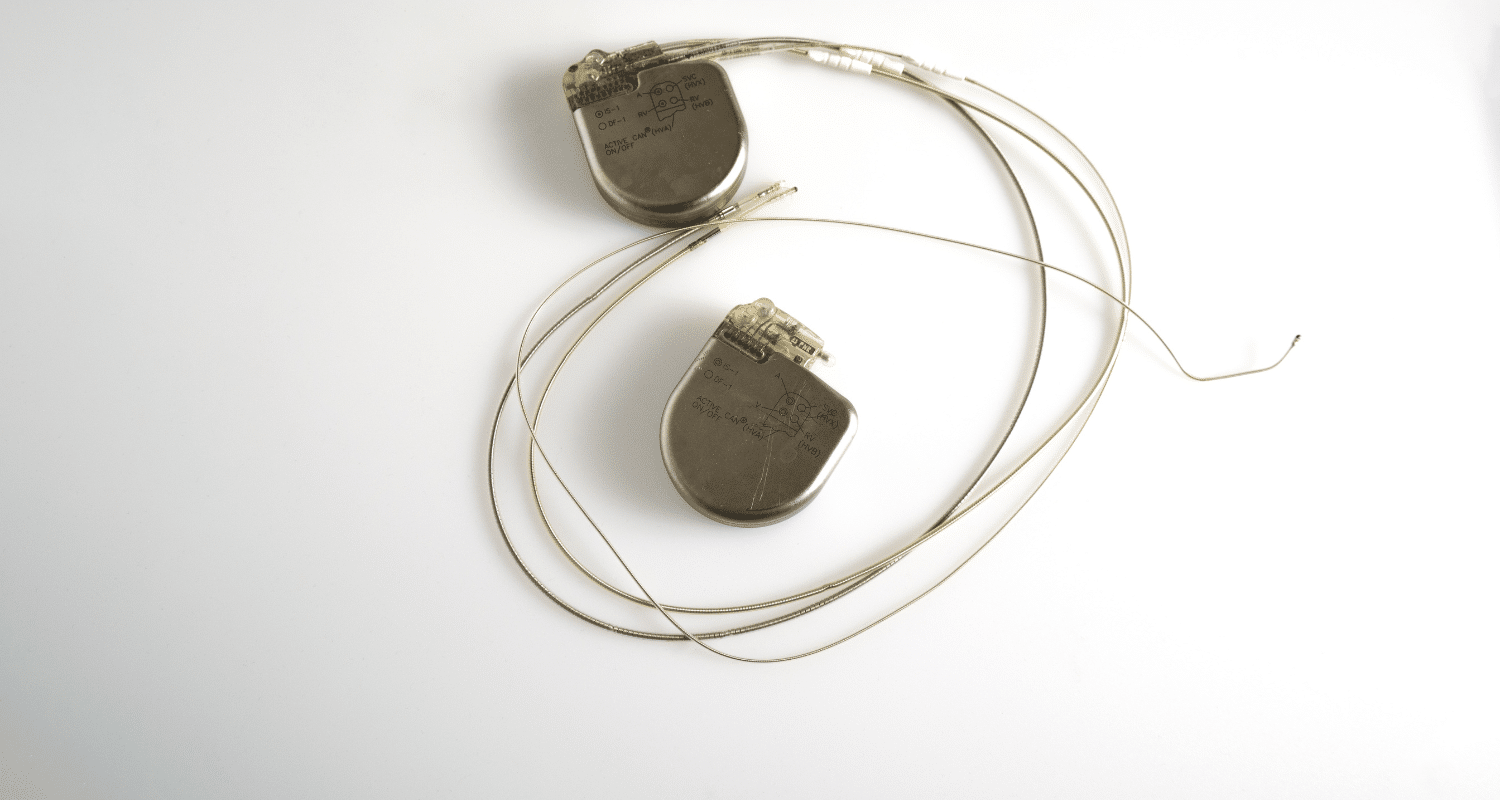
A standard pacemaker usually paces one or two chambers to fix a slow heart rate. A biventricular device has an added lead for the left ventricle. Its goal is not only to keep a steady rate but also to improve how well the ventricles work together. It is the main device used for cardiac resynchronization therapy.
How Does a Biventricular Pacemaker Work?
In a healthy heart, an electrical signal spreads quickly and evenly through both ventricles. In some people with heart failure, the signal is delayed, so one side contracts later than the other. The pumping becomes weaker and less efficient.
The device has a pulse generator and usually three leads. One lead goes to the right atrium, one to the right ventricle, and one to a vein on the surface of the left ventricle. The leads sense the heart’s activity and send timed pulses so both ventricles contract together.
When contractions are better coordinated, the heart may pump blood more efficiently. This may help ease symptoms, though results differ from person to person.
Why Is a Biventricular Pacemaker Needed?
Doctors may suggest CRT for people with:
- Heart failure with reduced pumping function, measured by ejection fraction
- Delayed or uncoordinated contractions of the ventricles
- Electrical conduction problems, including left bundle branch block, seen on an electrocardiogram
Heart failure may follow a heart attack, as with ischemic cardiomyopathy, or come from a weakened muscle such as dilated cardiomyopathy. Eligibility depends on individual test results and clinical guidelines, so the decision is made one patient at a time. More general background is on the page about heart failure.
Types of Biventricular Pacemakers
CRT-P: Cardiac Resynchronization Therapy With Pacing
A CRT-P device provides resynchronization pacing only. It helps the ventricles beat together.
CRT-D: Cardiac Resynchronization Therapy With a Defibrillator
A CRT-D device does the same pacing and also includes a defibrillator. It can deliver a shock to stop a dangerous rhythm. This may matter for people at higher risk of sudden cardiac death.
Why a Doctor May Recommend One Over the Other
The choice depends on heart function, the type of rhythm risk, overall health, and patient goals. A CRT-D is larger and has a shorter battery life in some cases, while a CRT-P avoids the shock feature. The care team weighs these points with the patient.
Benefits of a Biventricular Pacemaker
Possible benefits include:
- Fewer heart failure symptoms, such as shortness of breath and swelling
- Better exercise tolerance and quality of life
- Better coordination between the ventricles
- Fewer hospital stays for some patients
Results vary, and not every patient responds equally. Some people notice a clear change, and others notice little.
Biventricular Pacemaker Surgery
Pre Procedure Tests and Preparation
Before surgery, the team reviews heart imaging such as an echocardiogram, an ECG, blood tests, and the current medicines. Patients are told when to stop eating and which medicines to hold.
How the Device and Leads Are Implanted
The surgeon makes a small cut near the collarbone. Leads are guided through a vein to the heart using X ray images. The left ventricle lead is placed in a vein on the heart’s surface, which can take extra time. The generator is placed in a pocket under the skin.
Procedure Setting and Anesthesia
The procedure usually takes place in a catheterization or electrophysiology lab, with local numbing medicine and sedation. It often lasts a few hours.
What Patients May Experience Immediately Afterward
Patients are watched for a short period. Soreness near the site is common. Many people stay in the hospital one night.
Risks and Complications
Possible risks include:
- Infection or bleeding at the site
- Lead movement or device problems
- Injury to a blood vessel or the heart
- Complications from sedation or the procedure itself
Call the care team or seek urgent care for fever, spreading redness, swelling at the site, fainting, chest pain, or sudden shortness of breath.
Recovery After Biventricular Pacemaker Implantation
Expect some soreness and bruising for days to weeks. Keep the wound clean and dry as instructed. Follow up appointments check the site and the device settings.
The team may limit lifting and raising the arm on the device side for a period. Return to work, exercise, and daily tasks depends on medical advice and the person’s health. Do not rush these steps.
Biventricular Pacemaker Battery Life and Maintenance
Battery life depends on the device type, how often it paces, and the settings. CRT devices often pace nearly all the time, which can use more power. A CRT-D may have a different battery life than a CRT-P.
Routine checks, often in clinic and by remote monitor, track battery and lead function. When the battery runs low, the team schedules a generator replacement. The leads may stay if they are working well.
Life Expectancy and Long Term Outlook
Outcomes depend on the severity of heart failure, other health conditions, and how well the person responds to CRT. A pacemaker does not guarantee a specific life expectancy. Ask your cardiologist what to expect for your own situation.
Long term care still includes medicines, healthy habits, and regular visits. Learning about the root causes of heart disease can also help protect the heart over time.
Biventricular Pacemaker Cost
Cost depends on the device type, hospital, procedure, and follow up care. A CRT-D usually costs more than a CRT-P. Insurance or local coverage can change what a patient pays. Ask the hospital and insurer for a current estimate.
Biventricular Pacemaker vs. Regular Pacemaker
| Feature | Regular Pacemaker | Biventricular Pacemaker |
| Main purpose | Treat a slow heart rate | Coordinate both lower chambers in heart failure |
| Pacing approach | Paces one or two chambers | Paces both ventricles together |
| Leads | One or two | Usually three |
| Typical patient | Person with a slow rhythm or conduction block | Person with heart failure and delayed contractions |
| Expected benefit | Steady heart rate | Possible better pumping and fewer symptoms |
A regular pacemaker is most often used to treat a slow rhythm known as bradycardia.
Final Thoughts
A biventricular pacemaker can help the heart work in step and may ease the burden of heart failure. The choice between CRT-P and CRT-D is best made with a cardiologist who knows your full history.
Heart failure often starts with artery disease that went unnoticed for years. The BaleDoneen Method focuses on finding the root causes of artery disease early to help prevent a heart attack or stroke. Readers who want that kind of care can find a provider trained in the approach. Those recovering from a cardiac event can read about post event recovery.