
Major Surgical Equipment: Essential Instruments and Operating Room Equipment
Major surgical equipment covers the full range of tools, machines, and instruments used to support a surgical procedure from start to finish. This includes both large, fixed equipment found throughout an operating room and the smaller handheld instruments surgeons use directly during a procedure.
Understanding the essential components of a modern operating room helps hospital staff and healthcare professionals appreciate how these different categories of equipment work together to support safe, effective surgery. This guide covers the major categories of surgical equipment, common instrument types, and what to consider when equipping a surgical facility.
This article is for general educational purposes and does not constitute clinical or purchasing advice. Equipment specifications, regulatory status, and specific instrument requirements should be verified against relevant manufacturer documentation, surgical specialty guidelines, and applicable healthcare regulations.
What Is Major Surgical Equipment?
Major surgical equipment refers broadly to the tools, machines, and devices used to support surgical procedures, patient monitoring, and anesthesia within an operating room setting. This term generally distinguishes larger, more permanent operating room equipment from smaller handheld surgical instruments used directly on the patient.
Together, this equipment supports several essential functions during surgery, including the procedure itself, anesthesia delivery, continuous patient monitoring, and overall patient safety throughout every stage of care.
Essential Operating Room Equipment
A modern operating room relies on several major categories of equipment working together, including:
- Operating tables designed for precise patient positioning
- Surgical lights that provide clear, shadow free visibility
- Anesthesia machines that deliver and manage anesthetic gases
- Patient monitoring equipment that tracks vital signs continuously
- Electrosurgical equipment used for cutting tissue and controlling bleeding
- Surgical suction systems that remove blood and fluids from the surgical field
- Sterilization equipment that keeps reusable instruments safe for use
- Surgical instruments specific to the procedure being performed
- Medical gas systems that supply oxygen and other necessary gases
- Surgical equipment carts and storage systems that keep tools organized and accessible
Major Surgical Instruments Used in Surgery
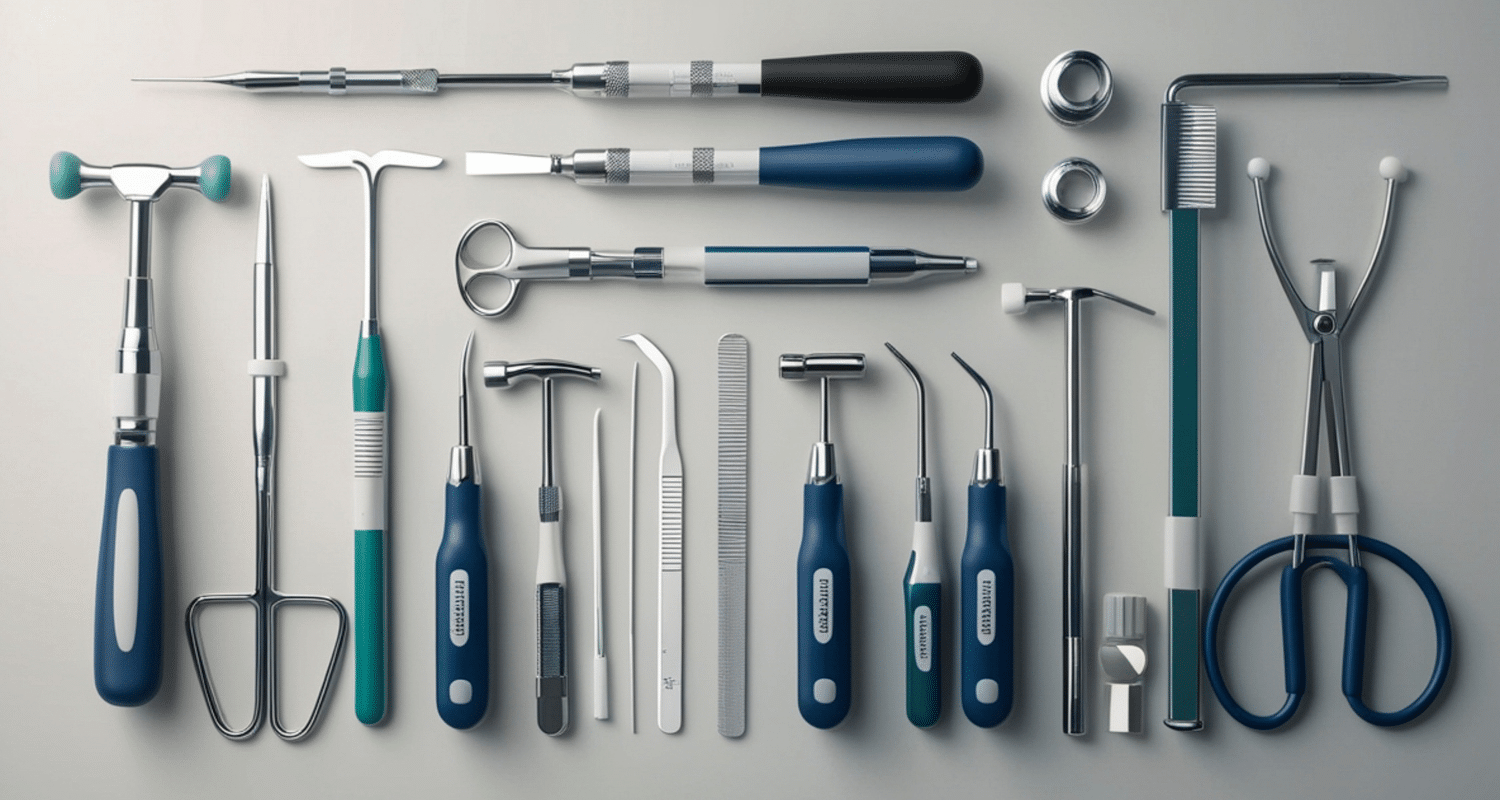
Surgical instruments are generally organized by their function during a procedure.
Cutting and Dissecting Instruments
This category includes scalpels, surgical scissors, and bone cutting instruments, all used to carefully cut or separate tissue during a procedure.
Grasping and Holding Instruments
Forceps, tissue forceps, and needle holders fall into this category, helping surgeons hold tissue steady or manage sutures with precision.
Clamping and Occluding Instruments
Hemostatic clamps and other surgical clamps help control bleeding by temporarily closing off blood vessels during a procedure.
Retractors
Retractors, including hand held and self retaining designs, help hold tissue or an incision open, giving the surgical team clear access and visibility to the treatment area.
The exact combination of instruments used depends heavily on the type of surgery being performed, since a cardiovascular procedure requires a very different instrument set than an orthopedic or general surgery case.
What Are the 54 Basic Surgical Instruments?
There is no single universal list of exactly 54 surgical instruments used across every surgical specialty. Instead, it helps to think of commonly recognized surgical instruments organized into broad categories, including cutting instruments, grasping instruments, clamping instruments, retracting instruments, suturing tools, suction devices, and various specialized instruments designed for specific procedures.
Instrument sets vary significantly between general surgery, orthopedic surgery, cardiovascular surgery, neurosurgery, and other specialties, since each field relies on tools designed for its own specific anatomy and procedures. Rather than a fixed universal number, hospitals typically build instrument trays tailored to the specific procedures performed within each surgical department.
Operating Tables and Surgical Lights
Operating tables are designed with a wide range of adjustability, allowing the surgical team to position a patient precisely for a given procedure. Proper positioning supports both surgical access and patient safety throughout the operation.
Surgical lighting plays an equally important role, providing bright, focused illumination while minimizing shadows that could obscure the surgical field. Modern lighting systems are designed to give the surgical team clear access and visibility, often integrating with other operating room equipment to support a coordinated, efficient workflow throughout the procedure.
Anesthesia and Patient Monitoring Equipment
Anesthesia machines deliver and carefully control anesthetic gases throughout a procedure, working alongside ventilators for patients who need respiratory support during surgery. Pulse oximeters continuously track blood oxygen levels, while ECG monitoring tracks heart rhythm and electrical activity throughout the procedure, similar to monitoring used more broadly for heart health diagnostics.
Blood pressure monitoring tracks a patient’s circulatory status, capnography measures carbon dioxide levels to help guide ventilation, and temperature monitoring helps the surgical team maintain a safe body temperature throughout the procedure. Together, these systems give the anesthesia and surgical team a continuous, detailed picture of the patient’s condition from the start of anesthesia through recovery.
Electrosurgical Equipment and Surgical Suction
Electrosurgical Equipment
Electrosurgical equipment uses controlled electrical energy to cut tissue and help control bleeding during a procedure. Several different electrosurgical technologies exist, each suited to specific surgical needs, though the right choice for a given procedure depends on the surgical team’s preference and the specific clinical situation involved.
Surgical Suction
Surgical suction systems remove blood, fluids, and other materials from the surgical field, helping maintain clear visibility throughout a procedure. Reliable, appropriately sized suction equipment plays an important supporting role across nearly every type of surgery, since a clear surgical field directly supports precision and safety.
Sterilization Equipment
Sterilization is essential for any reusable surgical instrument, since it eliminates harmful microorganisms that could otherwise cause infection. Steam sterilization remains one of the most common and well established sterilization technologies used in hospitals today.
Proper cleaning, sterilization, storage, and handling procedures all matter greatly, since a break down at any step in this process can compromise the safety of an otherwise well designed instrument. Hospitals typically follow strict, standardized protocols to ensure every instrument is properly processed before it reaches the operating room again.
Advanced Surgical Equipment and Technology
Modern surgical care increasingly relies on more advanced equipment and technology, including minimally invasive surgical systems, endoscopic equipment, and various surgical imaging systems that give surgeons a clearer, more detailed view during a procedure. Electrosurgical technology continues to evolve alongside computer assisted surgical tools and robotic assisted surgical systems, which are becoming more common across several surgical specialties.
The specific technology available varies significantly by hospital and surgical specialty, since not every facility performs the same range of procedures or has the same equipment budget and patient population.
What Are 10 Common Instruments Used by Doctors?
Commonly used surgical instruments include the scalpel, surgical scissors, forceps, hemostatic clamps, needle holder, retractor, suction tip, surgical probe, dilator, and speculum. The specific instruments used in any given case depend heavily on the medical specialty and the exact procedure being performed, so this list represents commonly recognized examples rather than a fixed universal set.
What Are the Top 10 Most Common Surgeries?
Rather than presenting a single universal global ranking, it helps to understand that surgical frequency varies significantly by country, healthcare system, population, and medical specialty. Commonly performed procedures around the world often include cataract surgery, cesarean section, appendectomy, hernia repair, cholecystectomy, joint replacement, hysterectomy, prostate surgery, tonsillectomy, and coronary artery bypass surgery.
These examples reflect commonly performed procedures rather than a fixed, universal top 10 ranking, since actual surgical volume and priorities differ across regions and healthcare systems.
How to Choose Surgical Equipment for a Hospital
Selecting the right surgical equipment involves weighing several important factors, including the specific surgical specialty a facility supports, the needs of its typical patient population, compatibility between different pieces of equipment, overall quality and reliability, infection control requirements, the level of staff training needed to operate the equipment safely, ongoing maintenance and servicing needs, applicable regulatory requirements, how the equipment fits into existing operating room workflow, and the level of support offered by the equipment supplier.
Balancing these factors carefully helps a hospital build an operating room environment that supports safe, efficient, and reliable surgical care across its specific range of procedures.
Final Thoughts
Major surgical equipment, from large operating room systems down to individual handheld instruments, works together to support safe, effective surgical care. Understanding these different categories helps healthcare professionals and hospital administrators make more informed decisions when equipping a surgical facility. Equipment requirements vary considerably according to surgical specialty, procedure, facility size, and applicable healthcare regulations, so equipment selection should always reflect the specific needs of each individual setting.
For cardiovascular procedures specifically, equipment needs often connect closely with the diagnostic tools used to identify a problem in the first place, from cardiac catheterization to coronary angiography equipment. The BaleDoneen Method focuses on identifying heart disease early, supporting heart attack prevention and helping reduce the need for major surgical intervention whenever possible.