
Oxygen Delivery Systems: Types, Flow Rates, FiO₂ & Uses
An oxygen delivery system gives extra oxygen to patients who cannot get enough on their own. These systems range from a simple tube under the nose to advanced machines used in intensive care.
Doctors prescribe supplemental oxygen for many reasons, from chronic lung disease to short term recovery after an illness or procedure. Choosing the right device depends on how much oxygen a patient needs and how that oxygen should be delivered.
This guide covers the main types of oxygen delivery devices, how flow rate and FiO2 work, and how to choose the right system for home or hospital use.
This article is for general education and does not replace advice from your doctor or respiratory therapist. Always follow your prescribed oxygen therapy plan exactly as directed.
What Are Oxygen Delivery Systems?
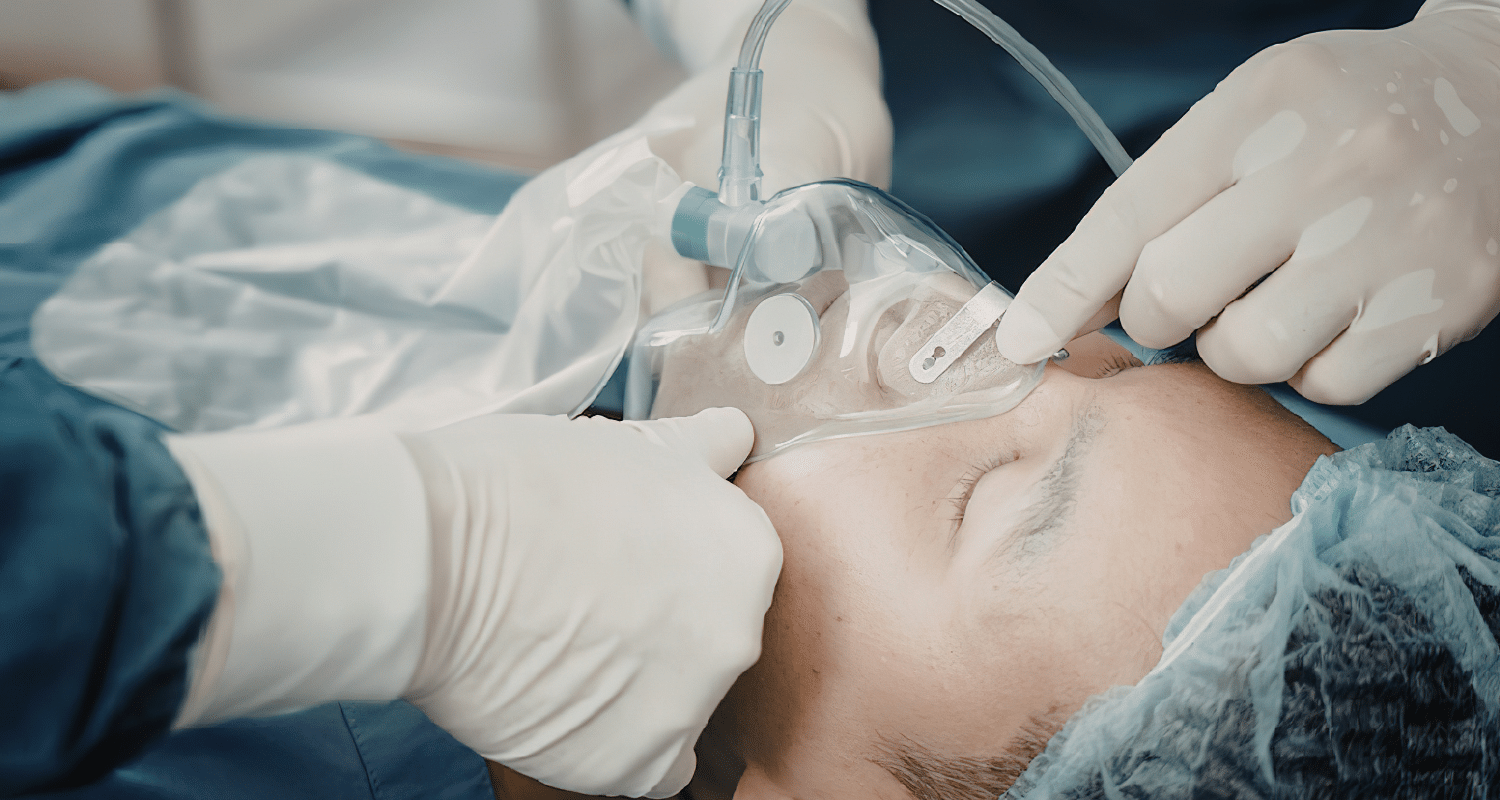
An oxygen delivery system is any device used to give a patient supplemental oxygen beyond what they can get from normal room air. These systems range from simple low flow devices to advanced high flow systems used in critical care.
Oxygen therapy helps when a patient’s blood oxygen levels drop too low, a condition called hypoxemia. This can happen with lung conditions, heart failure, or during recovery from illness or surgery. Supplemental oxygen supports normal body function and can ease symptoms like shortness of breath.
How Oxygen Delivery Systems Work
Oxygen Sources
Oxygen can come from a concentrator, which pulls oxygen from room air, a compressed gas cylinder, or a liquid oxygen tank that stores oxygen in a cooled, compact form.
Flow Rate
Flow rate refers to how quickly oxygen is delivered, usually measured in liters per minute. Higher flow rates generally deliver more oxygen, though the exact concentration reaching the patient depends on the device used.
FiO2 Explained
FiO2 stands for the fraction of inspired oxygen, or the percentage of oxygen a patient actually breathes in. Room air has an FiO2 of about 21 percent, while oxygen delivery devices can raise this number significantly depending on the device and flow rate.
Humidification
Extended oxygen use can dry out the nose and throat, so many systems add a humidifier bottle to add moisture to the oxygen before it reaches the patient.
Oxygen Delivery Mechanisms
Devices can be broadly split into low flow and high flow systems. Low flow devices mix oxygen with the room air the patient breathes, while high flow systems deliver a set, more precise oxygen concentration regardless of how the patient is breathing.
Types of Oxygen Delivery Devices
Oxygen delivery devices fall into two broad categories, low flow and high flow, each suited to different patient needs and settings.
Low-Flow Oxygen Delivery Devices
Nasal Cannula
A nasal cannula is a lightweight tube with two small prongs that rest in the nostrils. It typically delivers flow rates between 1 and 6 liters per minute, providing an FiO2 of roughly 24 to 44 percent.
Advantages include comfort and ease of use, along with the ability to eat and speak normally while wearing it. The main disadvantage is a lower, less precise oxygen concentration compared to higher flow devices. It works best for patients with mild oxygen needs.
Simple Face Mask
A simple face mask covers the nose and mouth, delivering a higher FiO2 than a nasal cannula, typically in the range of 40 to 60 percent at flow rates of 6 to 10 liters per minute.
Partial Rebreather Mask
This mask includes a reservoir bag that allows the patient to rebreathe some exhaled air along with fresh oxygen, delivering an FiO2 of roughly 60 to 80 percent.
Non-Rebreather Mask
A non rebreather mask uses one way valves to prevent exhaled air from mixing with the oxygen supply, delivering the highest FiO2 among low flow devices, often 80 to 95 percent at higher flow rates.
High-Flow Oxygen Delivery Systems
Venturi Mask
A Venturi mask uses specially designed valves to deliver a precise, consistent FiO2 regardless of the patient’s breathing pattern, making it useful for patients who need tightly controlled oxygen levels.
High-Flow Nasal Cannula (HFNC)
HFNC systems deliver heated, humidified oxygen at very high flow rates, often up to 60 liters per minute, providing both comfort and a high, controlled FiO2 for patients with more significant respiratory needs.
Oxygen Hood
An oxygen hood is a clear enclosure placed over a patient’s head, commonly used for infants who need a controlled oxygen environment without a mask or cannula touching their face.
Tracheostomy Mask
A tracheostomy mask delivers oxygen directly over a tracheostomy opening, used for patients who breathe through a surgically created airway in the neck.
Oxygen Delivery Devices and Flow Rates
| Device | Flow Rate | Approximate FiO2 | Typical Use |
| Nasal cannula | 1 to 6 L/min | 24 to 44 percent | Mild oxygen needs |
| Simple face mask | 6 to 10 L/min | 40 to 60 percent | Moderate oxygen needs |
| Partial rebreather mask | 6 to 15 L/min | 60 to 80 percent | Higher oxygen needs |
| Non-rebreather mask | 10 to 15 L/min | 80 to 95 percent | Severe oxygen needs |
| Venturi mask | Device specific | 24 to 60 percent, precise | Controlled oxygen therapy |
| High-flow nasal cannula | Up to 60 L/min | Up to 100 percent | Significant respiratory support |
Flow rate matters because it directly affects how much oxygen actually reaches the patient’s lungs, and matching the right device to a patient’s needs helps avoid both under treatment and over treatment.
Oxygen Concentrator vs Oxygen Cylinder vs Liquid Oxygen
| Feature | Oxygen Concentrator | Oxygen Cylinder | Liquid Oxygen |
| Portability | Good, especially portable models | Moderate, heavier tanks | Good, compact storage |
| Oxygen purity | High | Very high | Very high |
| Maintenance | Requires power and filter care | Requires refills | Requires regular refills |
| Cost | Higher upfront, lower ongoing cost | Lower upfront, ongoing refill cost | Higher ongoing cost |
| Best use | Long term home use | Backup or short term use | Patients needing high flow rates |
| Advantages | No need for refills | Simple, reliable | Lightweight for its oxygen capacity |
| Limitations | Requires electricity | Limited supply per tank | Requires specialized refill service |
Home Oxygen Delivery Systems
Home oxygen therapy commonly relies on stationary or portable oxygen concentrators, along with backup portable cylinders for situations like power outages or travel. Home safety matters greatly with oxygen therapy, since oxygen supports combustion. Keeping equipment away from open flames, following manufacturer maintenance schedules, and storing tanks properly all reduce risk at home.
Hospital Oxygen Delivery Equipment
Hospitals typically rely on centralized wall oxygen systems piped directly into patient rooms, along with portable options for patient transport. ICU settings often use high flow systems for critically ill patients, while emergency departments keep a range of devices on hand for rapid response. Ambulance oxygen systems use portable cylinders designed for quick setup during transport.
Oxygen Delivery Systems for COPD
Patients with COPD often need carefully controlled oxygen therapy, since too much oxygen can sometimes worsen carbon dioxide retention, called hypercapnia. Venturi masks are frequently used in this population because they deliver a precise, consistent FiO2. Doctors typically set a specific target oxygen saturation range for COPD patients rather than aiming for the highest possible number.
Choosing the Right Oxygen Delivery Device
Choosing the right device depends on:
- The patient’s specific oxygen requirement
- The severity of their underlying condition
- Their mobility and daily activity level
- Comfort preferences
- Whether the device will be used at home or in a hospital setting
Benefits of Oxygen Therapy
Supplemental oxygen offers real benefits for patients who need it:
- Improves overall oxygenation
- Reduces shortness of breath
- Enhances exercise tolerance
- Supports recovery from illness or surgery
- Improves overall quality of life
Risks and Limitations
Oxygen therapy does carry some risks and limitations. Excess oxygen can lead to oxygen toxicity in rare cases. Nasal dryness and skin irritation from masks or cannulas are common minor complaints. Oxygen also increases fire risk, so safety precautions matter greatly around open flames. In some patients, high oxygen levels can contribute to hypercapnia, and different devices carry their own specific limitations depending on patient needs.
Oxygen Therapy Safety Tips
- Never use oxygen equipment near open flames or while smoking.
- Keep smoking materials away from anyone using oxygen therapy at home.
- Clean equipment regularly according to manufacturer instructions.
- Store tanks upright and away from heat sources.
- Plan ahead when traveling with oxygen, including confirming airline requirements.
- Keep up with routine equipment maintenance and filter changes.