
Pacemaker: How It Works, Types, Surgery, and Benefits
A pacemaker is a small medical device that helps control an abnormally slow heart rhythm. It sends gentle electrical signals to the heart so it beats at a steady, safe pace.
Doctors place most pacemakers under the skin of the chest. The device watches the heart all day and steps in only when the heart needs help. This article covers what a pacemaker is, why people need one, the different types, what happens during surgery, battery life, risks, and life afterward.
This content is for general education and does not replace advice from a cardiologist or your care team.
What Is a Pacemaker?
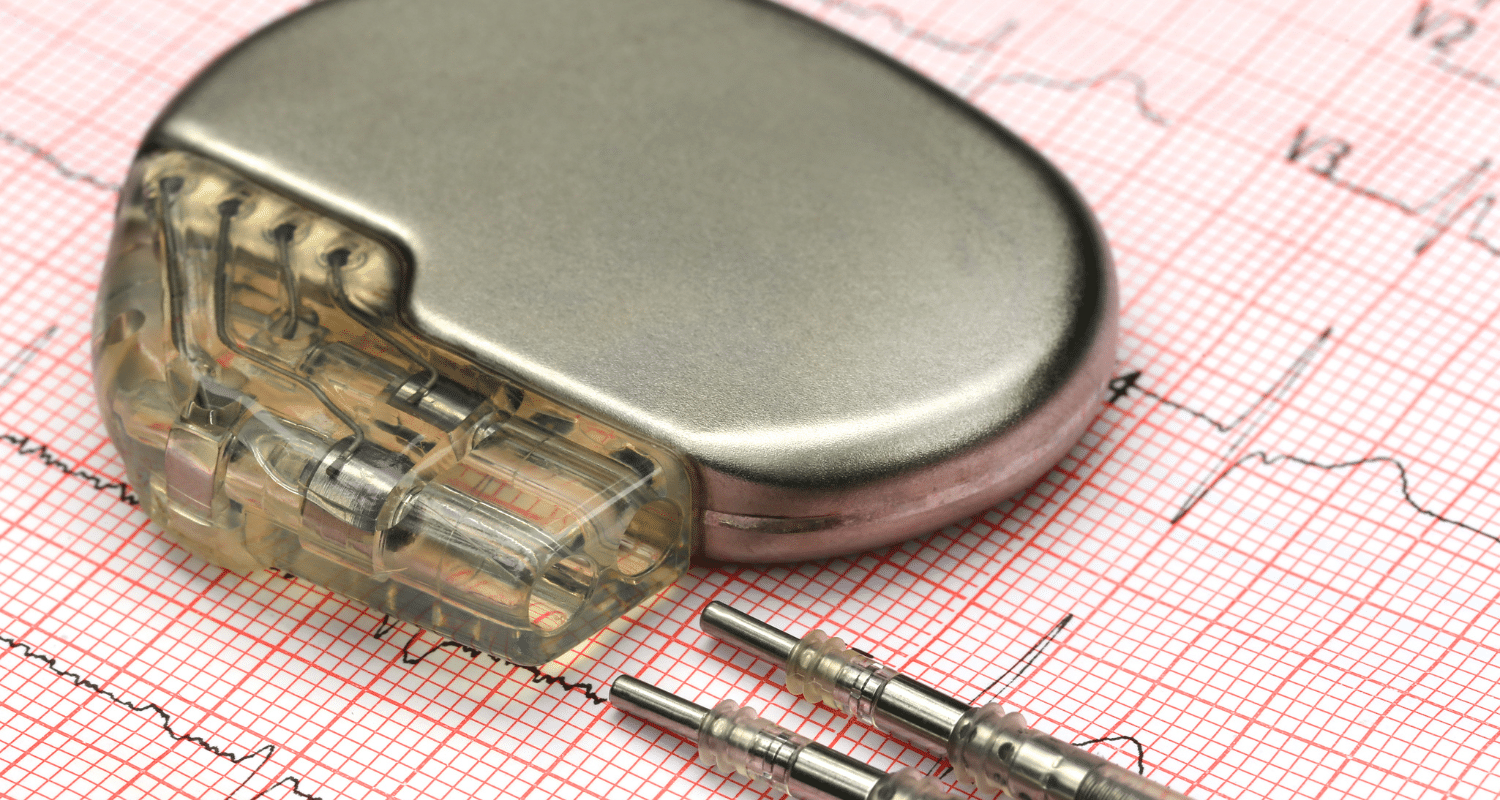
A cardiac pacemaker is an implanted device that supports the heart’s rhythm. The heart has its own natural electrical system. When that system fails or runs too slowly, a pacemaker fills the gap.
Traditional systems have two main parts:
- The pulse generator: a small metal case that holds the battery and the circuits. It is usually placed under the skin near the collarbone.
- The leads: thin, insulated wires that run through a vein to the heart. They sense the heart’s activity and deliver the electrical signal.
The device checks each heartbeat. If the heart beats on its own at a safe pace, the pacemaker waits. If the beat is too slow or a beat is missed, it sends a small pulse.
What Is a Pacemaker Used For?
Slow Heart Rate (Bradycardia)
The most common reason is a heart rate that is too slow, known as bradycardia. A very slow rate can cause tiredness, dizziness, and fainting because the body does not get enough blood.
Problems With the Heart’s Electrical Conduction System
Sometimes the signal that tells the heart to beat is delayed or blocked on its way through the heart. A pacemaker can restore a steady signal.
Certain Irregular Heart Rhythms
Some rhythm problems, including some linked to atrial fibrillation, come with slow pauses. Not every irregular heartbeat needs a pacemaker. Treatment depends on the exact rhythm and the symptoms. People can learn more on the page about arrhythmias.
Heart Failure Requiring Cardiac Resynchronization Therapy
Some people with heart failure have chambers that do not squeeze together. A special pacemaker can help them work in step. Cardiac resynchronization therapy is covered further in the section on types below.
How Does a Pacemaker Work?
Monitoring the Heart’s Electrical Activity
The leads sense each natural heartbeat. The generator reads these signals many times a second.
Sending Electrical Impulses
When the heart is too slow or pauses, the device sends a tiny electrical pulse through the lead. The heart muscle responds and contracts.
Coordinating Heart Chamber Contractions
Dual chamber and biventricular devices time signals between chambers. This helps the upper and lower chambers beat in the right order.
Adjusting Heart Rate During Physical Activity
Many pacemakers sense movement or breathing. They raise the pacing rate during activity and lower it at rest, as a healthy heart would.
What Are the Different Types of Pacemakers?
Single Chamber Pacemaker
This type uses one lead, placed in either the upper or lower chamber. It suits people who need pacing in only one area.
Dual Chamber Pacemaker
This type uses two leads, one in an upper chamber and one in a lower chamber. It keeps the two chambers working in a natural order.
Biventricular Pacemaker (CRT-P)
This type paces both lower chambers so they contract together. It is used for certain people with heart failure and delayed contraction.
Leadless Pacemaker
A leadless pacemaker is a very small device placed straight inside the heart. It has no wires and no chest pocket. It is used for certain patients, and doctors decide if it fits.
Temporary Pacemaker
A temporary pacemaker supports the heart for a short time. It may be used in an emergency, after surgery, or while a person waits for a permanent device.
When Does Someone Need a Pacemaker?
Doctors look at symptoms and test results together. Signs of a slow heart rhythm can include:
- Fainting or near fainting
- Dizziness or light headedness
- Unusual tiredness
- Shortness of breath
- Trouble exercising
- Confusion or memory trouble
Tests that help assess the need include an electrocardiogram, a Holter monitor, a cardiac event monitor, and an echocardiogram. Treatment depends on the underlying condition and how much the symptoms affect daily life. A pacemaker is not right for every slow or irregular rhythm.
What Happens During Pacemaker Surgery?
Preparation Before the Procedure
Patients are asked to fast for several hours and to review their medicines with the care team. Blood thinners may need special handling. Staff will explain the plan and answer questions.
How the Pacemaker Is Implanted
The procedure usually uses local numbing medicine and light sedation. The surgeon makes a small cut near the collarbone and guides the leads through a vein to the heart using X ray images. The leads are attached, and the generator is placed in a small pocket under the skin.
How Doctors Test the Device
Before closing the cut, the team tests the leads and the settings. They confirm the device senses and paces the way it should.
Recovery After Pacemaker Surgery
Many people go home the same day or the next day. Soreness and bruising near the site are common. The care team gives instructions on caring for the wound and on arm movement.
How Long Does a Pacemaker Battery Last?
Battery life varies with the device type and how often it paces. Many pacemaker batteries last several years, and some last a decade or longer. Exact life depends on the model and settings, so ask the care team about your device.
Routine checks, in the clinic and often by remote monitor, track battery level. As the battery nears the end of its life, the team schedules a replacement. Usually the generator is replaced, while the leads may stay in place if they are working well. Lead care depends on the system and each person’s situation.
What Are the Risks and Disadvantages of a Pacemaker?
Pacemaker surgery is common and generally safe, but there are risks:
- Infection at the implant site
- Bleeding or bruising
- Lead movement or device problems
- Rare injury to the heart or lung
- Reactions to medicine or sedation
There are also lifestyle points, such as regular follow up visits and the need to tell staff about the device before some tests. Call the care team right away for fever, redness, swelling, or fainting.
Life After Getting a Pacemaker
Returning to Daily Activities
Most people return to normal routines within days to weeks. Follow the care team’s advice about lifting and arm movement while the site heals.
Exercise and Physical Activity
Many people stay active. The team will advise when to restart exercise and which activities to avoid early on.
Electronic Devices and Magnetic Fields
Everyday devices such as phones are usually safe if kept a short distance from the device. Strong magnets and some industrial equipment can interfere. Ask the care team for a device specific list.
MRI Scans and Medical Procedures
Some pacemakers are labeled as safe for MRI under certain conditions. Always tell any provider about your device before a scan or procedure.
Follow Up Visits and Remote Monitoring
Regular checks keep the device working well. Remote monitors can send data to the clinic from home. Follow your device specific instructions and ask the cardiac team about any limits.
How Much Does a Pacemaker Cost?
Cost varies by device type, manufacturer, hospital, and country. The device price is only one part. Hospital fees, the procedure, and follow up care add to the total.
Because prices change, ask your hospital and insurer for current estimates. There is no single price that fits everyone.
Final Thoughts
A pacemaker gives the heart a steady rhythm and helps many people feel stronger and safer. Understanding how it works makes the decision and the recovery easier.
Many heart rhythm problems link back to damage in the heart and arteries over time. The BaleDoneen Method focuses on finding the root causes of artery disease early so patients can lower their risk of a heart attack or stroke. Anyone interested in this kind of prevention can find a provider trained in the approach. Patients already dealing with a cardiac event can read about post event recovery.