
Glucose Monitors: Accuracy, Types & Best Picks
A glucose monitor checks the amount of sugar in your blood. It gives you a clear number you can track over time, whether you check a few times a day or around the clock.
These devices matter for anyone managing diabetes, but they also help people watching their long term health in general. Blood sugar that runs high for years can quietly damage blood vessels and raise the risk of serious problems, including heart disease.
This guide covers how glucose monitors work, the different types on the market, how to read your numbers, and what to look for when you buy one. You will also learn how blood sugar control ties into heart health, a connection central to programs built around the BaleDoneen Method.
What Is a Glucose Monitor?
A glucose monitor is a device that measures the level of sugar, or glucose, in your blood. Some devices give a single reading from a drop of blood. Others track your levels continuously throughout the day and night.
These devices help people manage diabetes and prediabetes, but they also support anyone who wants to understand how food, exercise, and stress affect their blood sugar. A glucose monitor supports monitoring, not diagnosis. A doctor still needs to review your full history and other lab work to confirm a diabetes diagnosis.
Anyone managing insulin therapy, watching for prediabetes, or working through insulin resistance and metabolic syndrome can benefit from regular glucose checks.
How Does a Glucose Monitor Work?
Fingerstick Glucose Meter
A fingerstick meter uses a small lancet to draw a drop of blood from your fingertip. You place this blood on a test strip, which contains chemicals that react with glucose. The meter reads this reaction through an electrochemical sensor and shows your blood sugar level within seconds.
Continuous Glucose Monitor (CGM)
A CGM uses a small sensor inserted just under your skin, usually on your arm or belly. This sensor checks the glucose level in the fluid between your cells, called interstitial fluid, every few minutes. A small transmitter sends this data to a receiver or a smartphone app, giving you a constant stream of readings without repeated finger pricks.
Types of Glucose Monitors
Fingerstick glucose meters give a single reading each time you test. They are affordable and simple, making them a common choice for basic daily monitoring.
Continuous glucose monitors (CGMs) track your levels around the clock, showing trends and patterns that a single fingerstick reading cannot capture.
Flash glucose monitors work similarly to a CGM but require you to scan the sensor with a reader or phone to see your current reading, rather than sending data automatically at all times.
Smart glucose meters connect to an app through Bluetooth, storing your history and showing trends over time without needing a separate logbook.
Non invasive glucose monitors are an emerging technology still being developed and tested. These aim to measure blood sugar without any needle or blood sample at all.
| Type | Testing Method | Continuous Tracking | Best For |
| Fingerstick meter | Blood drop and strip | No | Basic daily checks |
| CGM | Sensor under the skin | Yes | Ongoing, detailed tracking |
| Flash monitor | Sensor with scan | Partial | Regular checks without constant alerts |
| Smart meter | Blood drop with app sync | No | Simple tracking with digital history |
| Non invasive monitor | No blood sample | Varies | Emerging use, still in development |
Normal Blood Glucose Levels
| Situation | Normal Range |
| Fasting | 70 to 99 mg/dL |
| Before meals | 80 to 130 mg/dL (diabetes target) |
| Two hours after meals | Less than 180 mg/dL (diabetes target) |
Personal targets can vary based on age, other health conditions, and medical advice. Always follow the specific range your doctor sets for you rather than relying only on general numbers.
Who Should Use a Glucose Monitor?
Glucose monitoring helps a wide range of people, including those with:
- Type 1 diabetes
- Type 2 diabetes
- Gestational diabetes
- Prediabetes
- Insulin therapy needs
- Higher overall health risk tied to weight or family history
People managing obesity and cardiovascular risk often benefit from tracking glucose alongside other health markers, since these factors frequently overlap.
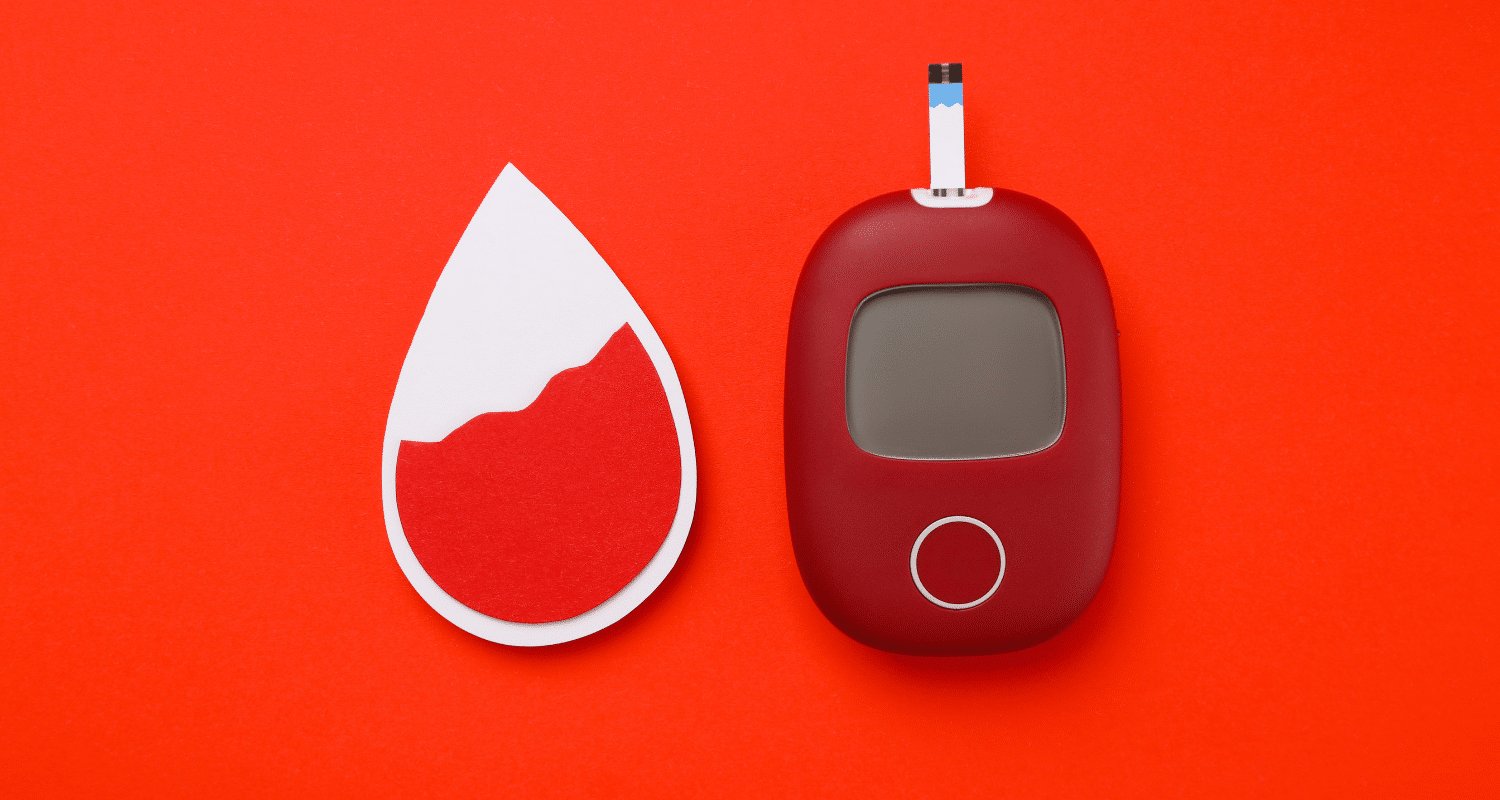
Continuous Glucose Monitor (CGM) vs Fingerstick Meter
| Feature | CGM | Fingerstick Meter |
| Accuracy | High, with frequent readings | Good, single point in time |
| Cost | Higher upfront and ongoing | Lower overall cost |
| Ease of use | Easy once set up | Simple but repetitive |
| Continuous tracking | Yes | No |
| Alerts | Yes, for highs and lows | No |
| Calibration | Sometimes needed | Not needed |
| Insurance coverage | Often covered for diabetes | Widely covered |
A CGM gives a fuller picture of trends throughout the day, while a fingerstick meter remains a reliable, low cost option for people who only need occasional checks.
How to Use a Glucose Monitor Correctly
For a fingerstick meter:
Step 1: Wash your hands with warm water and soap.
Step 2: Insert a new test strip into the meter.
Step 3: Use the lancet to get a small blood sample from your fingertip.
Step 4: Apply the blood drop to the strip as directed.
Step 5: Read the result once it appears on the screen.
Step 6: Record the reading in your log or app.
For a CGM:
Step 1: Apply the sensor to the recommended area of skin.
Step 2: Pair the sensor with your receiver or smartphone app.
Step 3: Scan or monitor your readings as they update throughout the day.
Factors That Affect Accuracy
Several things can affect how accurate your reading is:
- Dirty or unwashed hands
- Expired test strips
- Improper storage of strips or sensors
- Dehydration
- Extreme temperatures
- Incorrect sensor placement
- Calibration errors
- Certain medications that interfere with readings
How Accurate Are Glucose Monitors?
Glucose monitors sold in the United States must meet FDA requirements, and many also follow ISO 15197 standards for accuracy.
A common measure used to judge accuracy is called MARD, or Mean Absolute Relative Difference. A lower MARD score means the device’s readings sit closer to true lab values. Most home devices compare well against laboratory testing when used correctly, though no home device replaces a full lab panel for diagnosis.
Best Glucose Monitors
| Product | Type | Best For | App Support | FDA Cleared |
| FreeStyle Libre | CGM | Daily trend tracking | Yes | Yes |
| Dexcom G7 | CGM | Real time alerts | Yes | Yes |
| OneTouch Verio Reflect | Fingerstick meter | Simple daily checks | Yes | Yes |
| Accu-Chek Guide | Fingerstick meter | Easy strip handling | Yes | Yes |
| Contour Next One | Fingerstick meter | Budget friendly tracking | Yes | Yes |
| CareSens N Premier | Fingerstick meter | Basic home use | No | Yes |
| TRUE METRIX | Fingerstick meter | Affordable everyday use | No | Yes |
Always confirm current features and clearance status directly with the manufacturer, since product lines and app support change over time.
Glucose Monitor Buying Guide
When choosing a glucose monitor, consider these features:
- Accuracy backed by clinical testing
- Ease of use for daily routines
- Display size and clarity
- Bluetooth connectivity
- Mobile app quality
- Ongoing cost of test strips or sensors
- Sensor lifespan for CGMs
- Insurance compatibility
- Battery life
- Warranty coverage
Smart Features
Many modern glucose monitors include smart features that make daily tracking easier:
- Bluetooth connection to a smartphone
- Companion apps for logging and trends
- Cloud syncing across devices
- Trend graphs showing patterns over days or weeks
- Alerts for high or low glucose levels
- Data sharing with caregivers or family members
Common Mistakes When Monitoring Blood Sugar
Watch out for these common errors:
- Skipping hand washing before a fingerstick test
- Using expired test strips
- Applying too small or too large a blood sample
- Placing a CGM sensor incorrectly
- Ignoring calibration instructions
- Misreading or misinterpreting trend data
Blood Sugar and Heart Health
Blood sugar control connects closely to heart health. Over time, high glucose levels can damage blood vessel walls, speeding up the buildup of plaque tied to atherosclerosis and raising the risk of coronary artery disease.
People managing diabetes also face a higher risk of hypertension and unhealthy lipid patterns tied to dyslipidemia, both of which add to overall cardiovascular risk. Poor circulation from long term high blood sugar can also contribute to peripheral artery disease.
This is why tracking glucose is not just about diabetes management on its own. It fits into a much bigger picture of heart attack prevention, especially for anyone already managing risk factors linked to prevent diabetes programs. The BaleDoneen Method looks at glucose control as one part of a full cardiovascular risk picture, alongside cholesterol, inflammation, and other key markers.