
Angioplasty Balloons: Types, Uses, Procedure & How They Work
An angioplasty balloon is a small, inflatable medical device attached to the tip of a thin catheter, used to widen a narrowed or blocked artery. Balloon angioplasty is the procedure that uses this device to restore blood flow.
These two terms often get used interchangeably, but they mean different things. The balloon is the tool. Angioplasty is the treatment. Understanding this distinction helps make sense of everything else covered in this guide, from how the device works to what recovery looks like afterward.
This article covers what an angioplasty balloon is, how it works, the different types available, and what patients can expect before, during, and after the procedure.
This article is for general education and does not replace advice from your cardiologist or vascular specialist. Always discuss your specific treatment options with your care team.
What Is an Angioplasty Balloon?
An angioplasty balloon is a small, expandable device mounted near the tip of a thin, flexible tube called a balloon catheter. Doctors guide this catheter into a narrowed or blocked artery, then inflate the balloon to widen the vessel and restore blood flow.
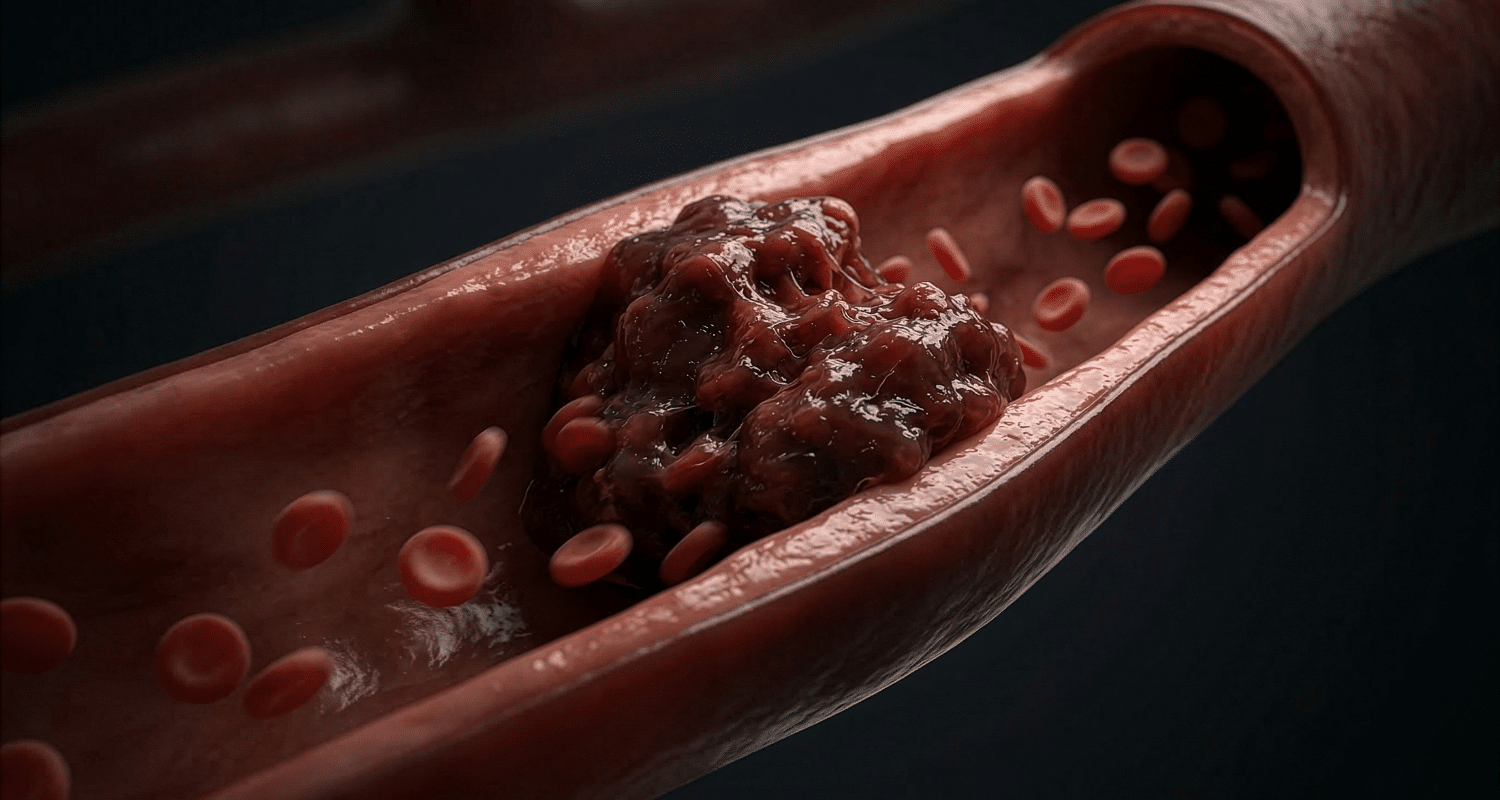
Arteries can narrow over time due to plaque buildup, a process linked to atherosclerosis. This narrowing, called stenosis, reduces blood flow to the tissue beyond the blockage. The angioplasty balloon addresses this directly by widening the narrowed section from the inside.
It helps to keep the terms separate. The angioplasty balloon is the physical device. Balloon angioplasty is the overall procedure that uses this device to treat a narrowed artery.
What Is Balloon Angioplasty?
Balloon angioplasty is a minimally invasive procedure used to open a narrowed or blocked artery. Doctors perform it to restore normal blood flow in arteries affected by plaque buildup, which can otherwise limit oxygen delivery to the heart, legs, or other parts of the body.
During the procedure, the balloon catheter is guided to the exact location of the narrowing. Once positioned, the balloon is inflated, pressing against the artery wall and widening the passage. This directly relates to the device itself, since the entire procedure depends on how the balloon expands and interacts with the artery wall to improve the vessel’s opening.
How Does an Angioplasty Balloon Work?
Catheter Insertion
The procedure begins with the catheter being introduced into a blood vessel, usually through the wrist or groin, giving access to the larger arterial system.
Guidewire Navigation
A thin guidewire is threaded through the blood vessels ahead of the catheter, helping guide it carefully toward the narrowed area under live imaging.
Balloon Positioning
Once the guidewire reaches the target location, the deflated balloon catheter is advanced along the wire and positioned precisely at the site of narrowing.
Balloon Inflation
The balloon is then inflated, sometimes more than once, applying gentle, controlled pressure against the artery wall to widen the narrowed section.
What Happens to Plaque?
Balloon angioplasty does not remove plaque from the body. Instead, the inflated balloon generally works by compressing and displacing the plaque against the artery wall, while also gently reshaping the vessel wall itself to widen the passage for blood flow.
Balloon Deflation and Removal
Once the artery has been adequately widened, the balloon is deflated and carefully withdrawn along with the catheter, leaving the artery open behind it.
What Happens During Balloon Angioplasty?
The procedure generally follows a consistent sequence. Imaging first identifies the narrowed artery, often using techniques similar to cardiac catheterization and coronary angiography equipment. A catheter is then inserted into a blood vessel, and a guidewire is advanced toward the blockage.
The balloon catheter follows the guidewire to the narrowed area, where the balloon is inflated to widen the artery. As the vessel opens, blood flow improves. The balloon is then deflated and the catheter removed. Depending on the specific case, a stent may be placed at this point to help keep the artery open long term.
Why Is Balloon Angioplasty Performed?
Coronary Artery Disease
Balloon angioplasty is commonly used to treat narrowed coronary arteries, restoring blood flow to the heart muscle in patients with coronary artery disease.
Peripheral Artery Disease
The procedure also treats narrowed arteries elsewhere in the body, particularly in the legs, for patients with peripheral artery disease.
Balloon Pulmonary Angioplasty
In certain specialized cases, balloon angioplasty is used within the pulmonary arteries to treat specific vascular conditions affecting blood flow to the lungs.
Other Vascular Applications
Different arteries and clinical situations call for different approaches, and balloon angioplasty is one of several tools doctors use depending on the specific vessel and condition involved.
Where Are Angioplasty Balloons Used?
| Application | Target Area | Common Context |
| Coronary angioplasty | Coronary arteries | Coronary artery disease |
| Peripheral angioplasty | Peripheral arteries | Peripheral artery disease |
| Pulmonary angioplasty | Pulmonary arteries | Selected pulmonary vascular conditions |
| Other vascular interventions | Various arteries | Depends on the clinical situation |
Types of Angioplasty Balloons
Standard PTA Balloons
Standard percutaneous transluminal angioplasty balloons are the most common type, used for straightforward widening of a narrowed artery.
Compliant and Noncompliant Balloons
Compliant balloons stretch and expand more with increasing pressure, while noncompliant balloons hold a more fixed shape and size even under higher pressure, offering more predictable widening in certain situations.
Scoring Balloons
Scoring balloons include small raised elements along their surface, designed to create controlled, focused pressure points that help widen tougher or more resistant narrowing.
Cutting Balloons
Cutting balloons have small blades along the balloon surface, designed to score the plaque and vessel wall in a controlled way before the balloon expands, which can help in certain resistant or calcified lesions.
Drug-Coated or Drug-Eluting Balloons
These balloons are coated with medication that transfers to the artery wall during inflation, helping reduce the chance of the artery narrowing again over time.
Specialty Angioplasty Balloons
Certain clinical situations call for specialty balloon designs, built for unique vessel shapes, sizes, or lesion characteristics not well suited to standard balloon types.
Balloon characteristics matter because different arteries, lesion types, and levels of calcification all respond differently to the pressure and design of a given balloon.
Angioplasty Balloon vs Stent
| Feature | Angioplasty Balloon | Stent |
| Device type | Inflatable medical device | Mesh tube |
| Function | Temporarily expands the narrowed area | Helps support the artery over time |
| After use | Balloon is deflated and removed | Stent generally remains in place |
| Standalone use | May be used without a stent in selected situations | May be placed following balloon angioplasty |
Can Balloon Angioplasty Be Done Without a Stent?
Yes. A stent is not automatically required with every balloon angioplasty procedure. Whether a stent is placed depends on several factors, including the specific artery being treated, the characteristics of the narrowed area, the overall anatomy of the vessel, and the clinical judgment of the treating physician based on how the artery responds to the balloon alone.
In some cases, the artery holds its shape well enough after balloon angioplasty that a stent is not needed. In others, particularly with certain angina related blockages or more resistant lesions, a stent helps maintain the improved opening long term.
What Are the Risks of Balloon Angioplasty?
As with any vascular procedure, balloon angioplasty carries some risk. Possible complications include bleeding or bruising at the catheter access site, injury to the blood vessel during the procedure, re-narrowing of the artery over time, other blood vessel complications, and, in rare cases, more serious cardiovascular complications. Your doctor will review your personal risk factors before the procedure.
Are You Awake During Balloon Angioplasty?
Most patients remain awake but relaxed during balloon angioplasty, typically receiving local anesthesia at the catheter insertion site along with mild sedation to help with comfort. The exact approach varies based on the specific procedure, the artery being treated, and individual patient factors, so your care team will discuss what to expect ahead of time.
What Is Recovery Like After Balloon Angioplasty?
After the procedure, patients are monitored closely for a period of time to check the catheter access site and overall recovery. Care instructions typically include keeping the access site clean and avoiding strenuous activity for a short period afterward. Most people return to normal daily activities within a few days, though your doctor will give specific guidance based on your case.
Follow up appointments help confirm the artery remains open and functioning well. Depending on the underlying cause of the narrowing, your doctor may also recommend medication or lifestyle changes, such as ongoing cholesterol management, to support long term results.
How Long Does Balloon Angioplasty Last?
It helps to separate immediate procedural success from long term vessel openness, also called patency. The procedure itself is often successful right away, widening the artery and restoring blood flow. Over time, however, some arteries can narrow again, a process called restenosis.
The likelihood of restenosis depends on several factors, including the artery treated, the type of balloon used, and whether a stent was placed. Drug coated balloons and certain stent technologies have been developed specifically to help reduce this risk over the long term.
What Is the Success Rate of Balloon Angioplasty?
There is no single universal success rate that applies to every case, since outcomes depend on several factors, including which artery was treated, the exact location of the blockage, how severe the narrowing was, the patient’s overall health, the specific type of intervention used, whether a stent was placed, and other individual clinical factors. Your doctor can give you a more specific picture based on your own situation and imaging results.
Angioplasty Balloon Size and Specifications
Choosing the right balloon involves several technical specifications, including balloon diameter and length, matched carefully to the size of the target vessel. Inflation pressure and balloon compliance affect how the device expands within the artery. Catheter profile influences how easily the device navigates through the vascular system. Some balloons include a special coating, such as drug eluting technology, while the overall delivery system, intended vessel, and specific lesion characteristics all factor into which balloon a physician chooses for a given case.
Final Thoughts
Angioplasty balloons play a central role in restoring blood flow through narrowed arteries, offering a minimally invasive alternative to more extensive surgery in many cases. Understanding how the device works, what to expect during the procedure, and the factors that affect long term results helps patients feel more prepared and informed.
Treating a narrowed artery is only part of the picture. Preventing further narrowing over time depends on addressing the root causes behind plaque rupture and arterial disease in the first place. The BaleDoneen Method combines advanced testing with a personalized plan to support long term heart attack prevention well beyond any single procedure.