
Morse Sternal Retractor: Uses, Types, and Features
A Morse sternal retractor is a self retaining surgical instrument that holds the two halves of the breastbone apart. Surgeons place it after a median sternotomy so they can see and reach the heart during an operation.
The retractor stays in place without anyone holding it. That frees the surgical team to focus on the repair itself. This article explains what the instrument is, how it works, the common types and sizes, the materials used, and what to consider when choosing one.
This content is for general education. Product specifications and sizes should always be confirmed with the manufacturer.
What Is a Morse Sternal Retractor?
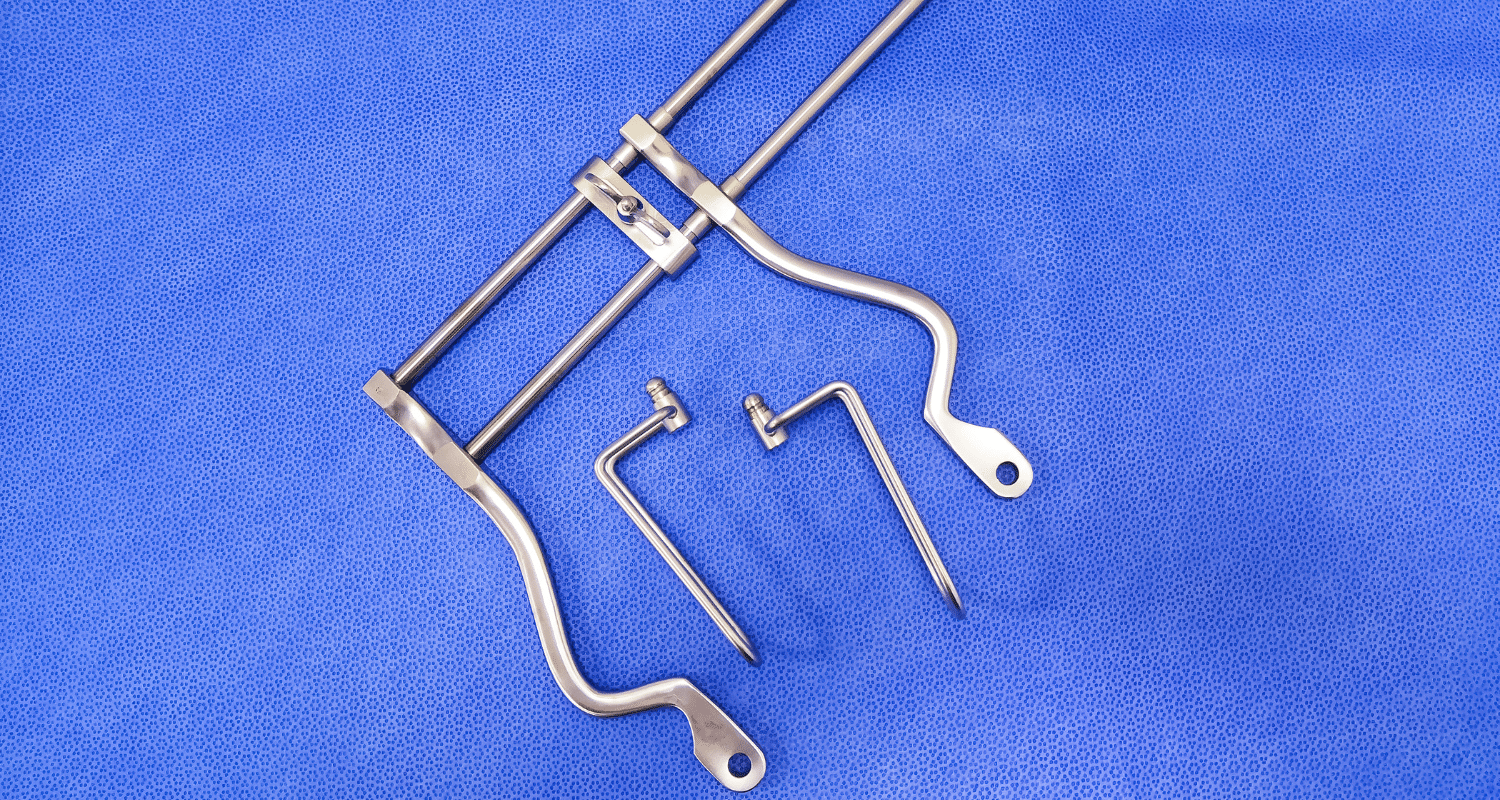
A Morse sternal retractor is a metal frame with two blades that fit against the cut edges of the sternum. A rack and a geared or ratchet mechanism let the surgeon open the blades wider and lock them at the chosen width.
It differs from a standard handheld retractor in an important way. A handheld retractor needs an assistant to hold it steady for the whole case. A self retaining frame does the holding on its own, which keeps the opening stable and lets the team work with fewer hands in the way.
The main parts include:
- A frame or rack that sets the opening width
- Two blades that grip the bone edges
- A crank or handle that spreads the blades
- A locking mechanism that holds the position
What Is a Morse Sternal Retractor Used For?
Open Heart Surgery
Most open heart operations begin with a sternotomy followed by a retractor. The instrument keeps the chest open so the team can reach the heart and the large vessels. It sits within the wider group of major surgical equipment used in cardiac operating rooms.
Coronary Artery Bypass Grafting (CABG)
CABG builds new paths for blood to go around blocked arteries. These blockages often come from coronary artery disease. The retractor holds the chest open while the surgeon harvests and sews grafts.
Heart Valve Repair and Replacement
Valve operations need steady, wide access. Conditions such as valvular heart disease may lead to repair or replacement through a sternotomy, with the retractor holding the view open.
Other Cardiothoracic Procedures
Aortic repairs, congenital heart operations, and some chest mass removals can also use this instrument. Surgeons choose it when the case calls for wide access to the center of the chest.
How Does a Morse Sternal Retractor Work?
Positioning the Retractor After Sternotomy
After the surgeon divides the breastbone, often with a sternal saw, the retractor goes into the opening. The blades are placed against the inner edges of the bone. Placement should be even so force spreads across the bone.
Spreading and Holding the Sternum Apart
The surgeon turns the crank and the blades move apart. The opening widens slowly. Gentle, gradual spreading helps protect the bone and the ribs.
Ratchet or Geared Mechanism
A ratchet or gear locks each step of the spread. This means the opening stays where it is set, even if the surgeon lets go of the handle. The mechanism can be released when it is time to close.
Maintaining Surgical Exposure
The locked frame keeps a steady view of the heart through the case. The team can adjust the width if needed. When surgery ends, the surgeon slowly closes the retractor and removes it before wiring the sternum back together.
What Are the Different Types of Morse Sternal Retractors?
Standard Morse Sternal Retractor
This is the classic design. It has a simple frame, two blades, and a hand crank for spreading. It suits many routine sternotomy cases.
Favaloro-Morse Sternal Retractor
This is a variation of the Morse design used in cardiac surgery. Blade shape and frame layout can differ from the standard model, and details depend on the maker, so teams should check the manufacturer’s description for each model.
Adult Sternal Retractor
Adult models are larger and offer a wider spreading range. They are made to handle the size and strength of an adult sternum.
Pediatric Sternal Retractor
Pediatric models have smaller frames and smaller blades. They are sized for infants and children, whose chests are much smaller and more delicate.
Morse Sternal Retractor Sizes and Specifications
Adult Models and Spreading Capacity
Adult models offer a larger maximum opening. Exact numbers vary by manufacturer and model, so buyers should read the product documents rather than rely on general figures.
Pediatric Models and Smaller Blades
Pediatric versions use shorter blades and a smaller frame. This keeps pressure on the small chest gentle and controlled.
Blade Width, Depth, and Configuration
Blades come in different widths and depths. The right fit depends on the thickness of the chest wall and the type of operation. Some blade sets can be swapped, but only if the maker lists them as compatible.
How to Select the Appropriate Size
Surgeons pick size by patient anatomy, the operation planned, and personal preference. Dimensions vary by model, so check each manufacturer’s specifications before ordering.
What Materials Are Used to Make a Morse Sternal Retractor?
Most retractors are made of surgical grade stainless steel. This metal resists rust, holds up under repeated use, and can withstand high heat sterilization.
Most are reusable. Staff should inspect each instrument before and after every case for cracks, loose parts, bent blades, or worn gears. Cleaning and sterilization should follow the manufacturer’s approved steps, with extra care around the gear and joints where debris can hide.
Morse Sternal Retractor vs. Other Sternal Retractors
These instruments are not interchangeable. Each is designed for a certain use.
| Instrument | Typical Design Focus | Common Setting |
| Morse sternal retractor | Self retaining frame for sternal spreading | Cardiac surgery through a sternotomy |
| Cooley sternal retractor | Different frame and blade layout | Cardiac and chest surgery |
| Finochietto retractor | Rib spreader for the side of the chest | Thoracotomy |
| Other rib spreaders | Vary by maker and use | Chest and rib access |
Morse vs. Cooley Sternal Retractor
Both can hold a sternotomy open. They differ in frame shape, blade design, and how the opening is controlled. Surgeons often choose based on training and habit.
Morse vs. Finochietto Retractor
The Finochietto retractor is a rib spreader, usually used when the chest is opened between the ribs. The Morse is designed for the breastbone.
Morse vs. Other Rib Spreaders
A rib spreader separates ribs, while a sternal retractor separates the two halves of the sternum. The surgical approach decides which one is right.
How to Choose a Morse Sternal Retractor
Buyers and surgical teams often weigh these points:
- The planned surgical procedure
- Patient anatomy and the right size
- Blade depth and configuration
- Build quality and durability
- Manufacturer specifications and compatibility
- Cleaning, sterilization, and maintenance needs
Ask each supplier for current specifications, and confirm what parts can be replaced.
Final Thoughts
The Morse sternal retractor is a simple tool that does a vital job. It holds the chest open so surgeons can focus on the heart. The right size, careful handling, and proper cleaning keep it safe and reliable.
Heart surgery often follows years of unchecked artery disease. The BaleDoneen Method focuses on finding the root causes of artery disease early so patients can lower the chance of a heart attack or stroke. Anyone interested in prevention can find a provider trained in this approach. After surgery, patients can learn more about post event recovery.