
Mechanical Circulatory Support Devices: Types, Uses, and How They Work
Mechanical circulatory support, often called MCS, uses a machine or pump to help the heart move blood through the body. These devices are used when the heart cannot pump enough blood on its own.
Some devices work for hours or days in an emergency. Others are implanted and support the heart for months or years. This article explains what MCS is, the main device types, when each is used, how they work, and what life looks like with one.
This content is for general education and does not replace advice from a heart failure or transplant team.
What Is Mechanical Circulatory Support?
Mechanical circulatory support is a way to take over some or all of the heart’s pumping work with a device. The goal is to keep blood flowing to the brain, kidneys, and other organs.
There are two broad groups:
- Temporary support: used in emergencies or while the heart recovers
- Long term support: used for advanced heart failure, sometimes while waiting for a transplant
These tools are used by specialist teams in hospitals with advanced cardiac care.
Types of Mechanical Circulatory Support Devices
Intra Aortic Balloon Pump (IABP)
An IABP is a balloon placed in the aorta through a catheter. It inflates and deflates in time with the heartbeat. This reduces the heart’s workload and can help blood flow to the heart’s own arteries.
Impella Heart Pump
The Impella is a small pump on a catheter. It is placed across the aortic valve and moves blood from the left ventricle into the aorta. It is used for temporary support.
TandemHeart
The TandemHeart is a temporary external pump that moves blood from the left atrium back into the body. It is used in selected patients.
Extracorporeal Membrane Oxygenation (ECMO)
ECMO moves blood outside the body, adds oxygen, and returns it. VA ECMO can support both circulation and oxygen delivery in severe heart failure. It differs from the heart lung machine used during open heart surgery, which only runs for the length of the operation. Related operating room tools are listed under major surgical equipment.
Left Ventricular Assist Device (LVAD)
An LVAD is an implanted pump that helps the left ventricle send blood to the body. It is used for advanced heart failure.
Right Ventricular Assist Device (RVAD)
An RVAD supports blood flow from the right side of the heart toward the lungs. It is used when the right ventricle is weak.
Biventricular Assist Device (BiVAD)
A BiVAD supports both ventricles when both sides of the heart need help.
Total Artificial Heart (TAH)
A total artificial heart replaces the pumping action of the ventricles. It is used in selected patients, often while they wait for a transplant.
Temporary vs. Long Term Mechanical Heart Support
| Feature | Temporary Support | Long Term Support |
| Typical devices | IABP, Impella, TandemHeart, ECMO | LVAD, BiVAD, total artificial heart |
| Duration | Hours to weeks | Months to years |
| Setting | Intensive care or catheter lab | Implanted, with home care after discharge |
| Goal | Stabilize or allow recovery | Bridge to transplant or lasting therapy |
Device choice depends on the patient’s condition, how fast support is needed, and treatment goals.
When Is Mechanical Circulatory Support Needed?
- Cardiogenic shock, when the heart cannot supply enough blood
- Advanced heart failure
- Severe heart dysfunction after a heart attack or other cardiac event
- Support during selected high risk cardiac procedures
- A bridge to heart transplant or to recovery, and long term therapy when appropriate
Some of these cases follow damage such as ischemic cardiomyopathy or dilated cardiomyopathy.
How Do Mechanical Circulatory Support Devices Work?
Most devices use a pump to move blood forward. They differ in how they are placed.
- Catheter based systems are threaded through blood vessels. Examples include IABP and Impella.
- External systems keep the pump outside the body and connect by tubes. ECMO is one example.
- Implanted systems place a pump inside or near the heart, often with a cable that exits the body to a controller and battery.
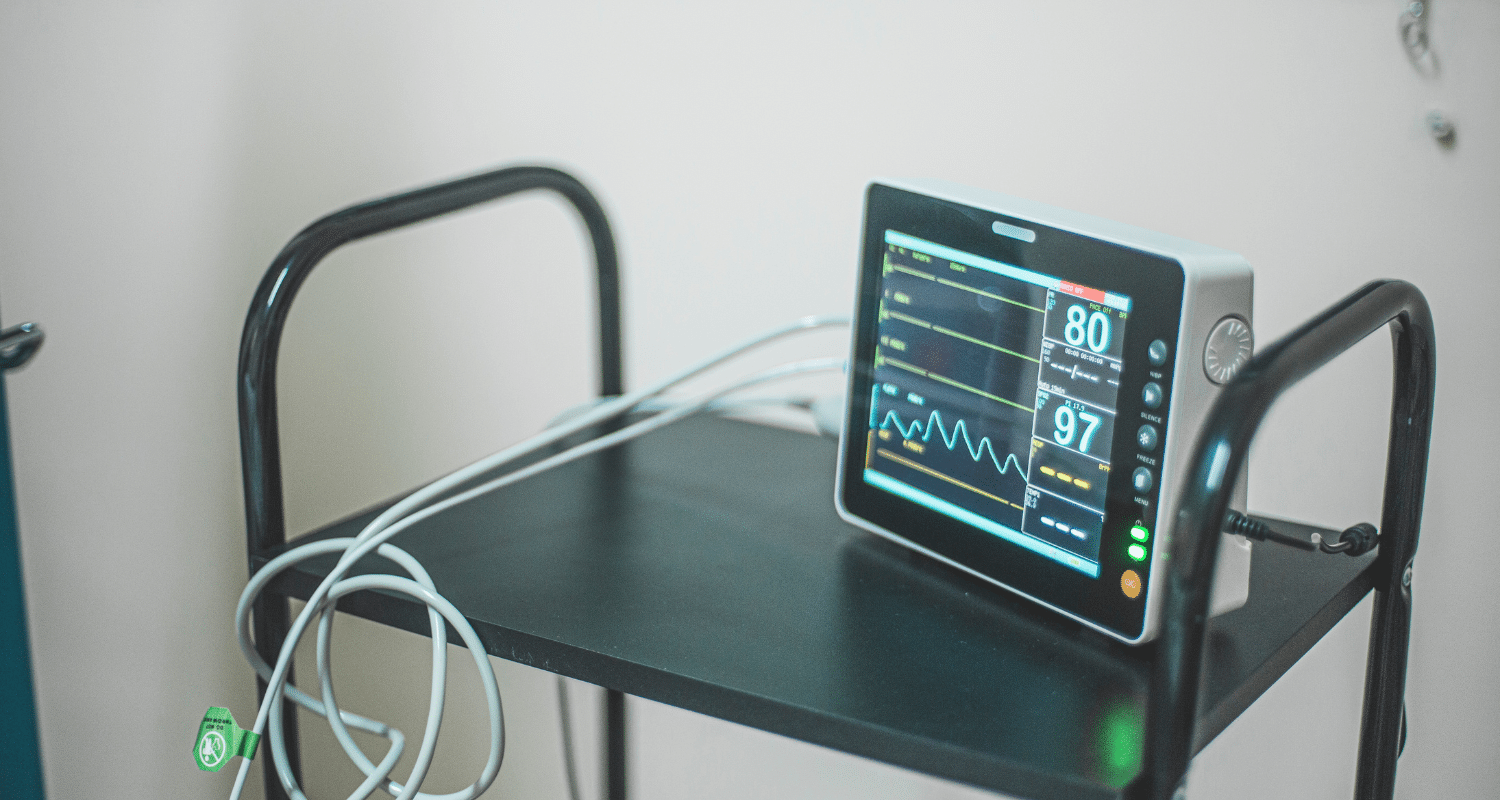
Monitoring equipment tracks pressure, flow, and rhythm. Power comes from the hospital system, batteries, or a wall connection, depending on the device. The team may also check the heart with an echocardiogram.
Mechanical Circulatory Support Procedure
Assessment and device selection. The team reviews heart function, organ health, and goals of care.
Insertion or implantation. Temporary devices are placed through a catheter in a catheter lab or at the bedside. Implanted pumps need open heart surgery.
Monitoring. Patients are watched closely in a hospital or intensive care unit.
Recovery and follow up. Depending on the device, patients receive training, medicine, and regular checks.
Blood thinning medicine is often needed, which is why many patients also learn about anticoagulants.
Benefits of Mechanical Heart Support
- Better circulation and blood flow to organs
- Time for the heart to recover
- Support while waiting for a transplant
- Long term help for selected people with advanced heart failure
Risks and Possible Complications
- Bleeding and infection
- Blood clots and stroke
- Device malfunction or mechanical failure
- Vascular problems and other device specific risks
Close monitoring and specialist care are essential for safety.
Life With a Ventricular Assist Device
- Daily care and power: Patients care for the cable site, carry spare batteries, and keep the controller safe.
- Follow up: Regular visits check the device, blood tests, and blood thinning.
- Activity and travel: Many people return to light activity with guidance from the team.
- Warning signs: Alarms, fever, bleeding, new weakness, or trouble speaking need urgent attention.
Mechanical Circulatory Support vs. Heart Transplant
MCS supports the heart or takes over part of its work. A transplant replaces the heart with a donor heart. A pump may be used as a bridge to transplant or as long term therapy.
Not every patient with advanced heart failure is eligible for a transplant or a mechanical support device. The transplant and heart failure teams review each case.
Final Thoughts
Mechanical circulatory support gives the heart time to heal or a way to keep going when it is very weak. Each device has a clear role, and the care team picks it based on the patient’s needs.
Many cases of advanced heart failure start with artery disease that grew over years. The BaleDoneen Method focuses on finding the root causes of artery disease early to help prevent a heart attack or stroke. Anyone interested can find a provider trained in the approach, and those recovering from a heart event can read about post event recovery.