Know Your Risk Before It Strikes
Your arteries could be hiding early disease. Find out today.

Heart failure vs Myocardial Infarction are often confused with each other, but they are quite different conditions. A heart attack is also known as a coronary attack, which is an emergency that occurs when blood does not flow to the heart muscles and the heart is impaired. Congestive heart failure, or heart failure, is a long-term condition where the heart cannot deliver its blood efficiently, resulting in unending symptoms and necessitating lifelong treatment.
We believe that at BaleDoneen, it is essential to be familiar with the difference between heart failure vs Myocardial Infarction so that patients are able to identify immediate warning signs alongside the ability to take care of the current risks. The patients are able to safeguard their hearts and avoid severe complications in the future with their awareness, before early diagnosis.
What Is a Myocardial Infarction?
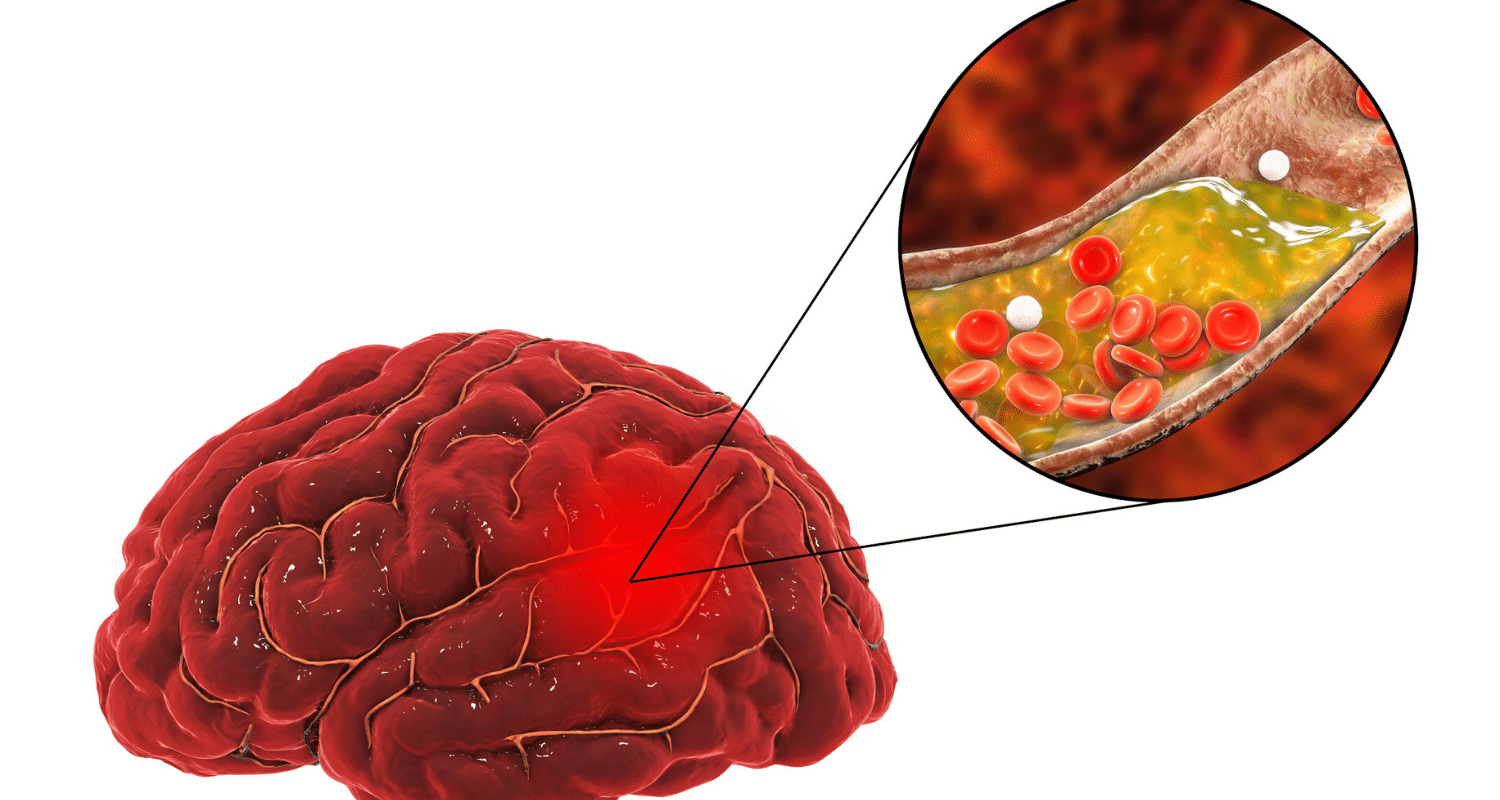
Myocardial infarction or heart attack is a condition resulting in the blood supply to a section of the heart due to the presence of a clot or extreme narrowing of the coronary arteries. The affected muscle in the absence of oxygenated blood gets damaged or killed. It is a medical emergency and has to be treated immediately to get circulation back, typically by putting a stent in or using medications to dissolve the clot.
Myocardial Infarction Symptoms
Patients tend to have chest pain or pressure, pain extending to the arm, jaw, or back, nausea, which is accompanied by sweating, dyspnea, and abrupt dizziness. Signs of a heart attack in women are less apparent. They can experience extreme fatigue, indigestion, lightheadedness, or neck and shoulder pain instead of intense chest pain. These variations point to the importance of careful diagnosis to prevent late treatment.
What is Heart Failure?
Heart failure in itself does not occur as a heart attack. It occurs over time when the heart muscle is weak or it becomes rigid and cannot effectively pump blood. This limit operation in the long run leads to the accumulation of fluid in the body tissues and lungs, resulting in congestive heart failure.
Patients experience fatigue that is not ameliorated by rest. Leg swelling is also common, and breathing is hard, mostly when resting or lying down. These gradual symptoms are indicative that the heart is not coping well and needs medicine to diagnose it properly and to manage it over time.
Causes of Heart Failure
Heart failure usually occurs after years of burden or damage to the heart. The prevalent underlying issues include hypertension over an extended period of time, coronary artery disease, past myocardial infarctions that make the heart muscles weak, diabetes, heart valve diseases, and cardiomyopathy. Hypertension and heart failure are common around the world in people with coronary heart disease. All of these conditions put pressure on the heart until the heart is unable to pump blood properly.
Comparing Symptoms Between Heart Failure Vs Heart Attack
The distinction between a heart attack and heart failure can be well illustrated by considering the manifestation of each of the two conditions. A heart attack can be sudden, causing acute chest pains among other emergency symptoms that require urgent attention. Heart failure occurs over a longer period of time and is characterized by shortness of breath, permanent fatigue, and leg swelling or abdominal swelling.
The fundamental difference lies in the fact that myocardial infarction is a medical emergency, whereas heart failure is a chronic condition that needs lifelong management. Being aware of this difference enables patients to react promptly to the warning signals that require immediate attention, as well as when taking long-term care in case of a progressive condition.

Risk Factors
Smoking, high cholesterol, obesity, diabetes, stress, and family history are the major risk factors of a heart attack. Some of the factors that are heart failure risks are alike, but others are untreated high blood pressure, persistent arrhythmias, and internal issues in the heart. The awareness of such risks provides patients with a chance to modify their lifestyles before the illness can get serious.
Diagnosis Tests of Heart Failure vs Myocardial Infarction
When doctors suspect myocardial infarction, the first step is often an ECG for myocardial infarction. An electrocardiogram is the initial procedure in suspected myocardial infarction. This may be followed by troponin blood tests, echocardiography, and coronary angiography, which will determine whether the blockage is present or not and how to treat it.
In heart failure, echocardiography is frequently performed to assess the ejection fraction, chest X-rays to assess accumulation of fluids, BNP blood tests to assess release of stress hormones by the heart, and exercise stress testing to assess performance during caloric strain. These cardiovascular tests provide the doctors with a fully developed picture of the heart’s functioning.
Treatment for Myocardial Infarction
The most important thing in the management of a heart attack is to reestablish blood circulation within the shortest time frame. The doctors can administer thrombolytic treatment, which can be considered a solution that dissolves the clot, or insert a stent and reopen the blocked artery. Stents for myocardial infarction are a common treatment and are used to open blocked arteries and restore normal blood circulation to the heart.
Aspirin, beta-blockers, and Angiotensin-Converting Enzyme inhibitors improve the cardiac load and mitigate further myocardial injury; a Bypass surgery may be required in extreme cases. To reduce the chances of another attack, recovery often entails a progressive cardiac rehabilitation regimen and lifestyle change. These include a healthy diet routine and physical exercise with stress management.
Treatment for Heart Failure
The management of heart failure aims to reduce the symptoms that improve quality of life and delay the progression of the disease. Diuretics to decrease fluid overload and beta-blockers and ACE inhibitors to help the heart are common forms of treatment. In severe cases, an implant called a pacemaker or a defibrillator might be needed.
Making changes in lifestyle activities is critical. The patients are advised against consuming high amounts of sodium and encouraged to watch their fluid balance, exercise in a regular manner under medical guidance, and learn how to manage stress.
Heart Failure Management Diet
The key to the management of heart failure is diet. It is recommended to eat a balanced diet with a focus on fresh fruits and vegetables, whole grains, lean protein, and minimal added fat and sugar intake. The sodium limit is used to decrease the accumulation of fluid, and hydration should be well controlled to prevent overworking the heart.
Prognosis And Outcomes
Modern interventions may be helpful in healing a single heart attack, yet repeated infarction leads to an increased chance of further heart failure. Heart failure, once it is established, is typically a lifelong disorder that needs constant treatment and follow-up.
The two conditions heavily depend on prevention strategies. Keeping blood pressure healthy, managing cholesterol, physical activity, a balanced diet, tobacco and heavy drinking, and stress management are some of the ways to reduce the chances of acute heart attacks and chronic heart failure.
Conclusion
The cause, treatment, and course of heart failure and heart attack vary. In myocardial infarction vs congestive heart failure, myocardial infarction is acute and requires immediate attention, whereas congestive heart failure is progressive and has to be managed throughout life.
At BaleDoneen, we emphasize awareness, early diagnosis, and healthy living. Having the right option gives patients the possibility of safeguarding their hearts and avoiding severe complications.
FAQs
What are the stages of heart failure?
There are four stages of heart failure. Stage A is an asymptomatic high-risk condition. Stage B is asymptomatic structural changes of the heart. Stage C consists of the structural changes with symptoms. Stage D is a complicated disease that needs special treatment.
How does a heart attack differ from heart failure?
A heart attack is an immediate restriction of blood flow to the heart muscle. Heart failure is a condition that develops gradually and renders the heart incapable of pumping blood.
Can heart failure cause nasal congestion?
Yes, fluid accumulation linked with heart failure can cause a stuffy nose in certain situations. But more frequent symptoms include a lack of breath, swelling, and fatigue.
What is the hallmark sign of heart failure?
Shortness of breath is the most common, particularly on exertion or in the supine position, because of the accumulation of fluid and impaired pumping ability.
About the Author: Randy Kembel