Know Your Risk Before It Strikes
Your arteries could be hiding early disease. Find out today.

Pericarditis means the thin sac around your heart is swollen. This causes chest pain that gets worse when you lie down or breathe deeply. Healing takes weeks to months, and certain actions can make inflammation worse or bring symptoms back.
This guide explains what to avoid and what supports recovery. Simple changes protect your heart while it heals.
Why Avoiding Triggers Matters
Your heart needs rest to recover. Movement and stress can strain it, and inflammation rises when you push too hard. This can lead to setbacks or new flares. Avoiding common triggers lowers your risk. It helps chest pain settle and keeps symptoms from returning.
Small changes in your routine support healing. They give your body the best chance to recover fully.
Activities You Should Avoid
Strenuous Exercise
Stop all hard workouts until your doctor clears you. This includes:
- No running or jogging
- No weight lifting
- No long hikes
- No intense sports
Keep your heart rate low. Exercise too soon can bring back pain or cause rare heart problems. Studies show high heart rates stress the pericardium and can extend the illness.
Competitive Sports
Avoid all competitive sports and high effort training. Wait for full symptom relief and normal test results before returning.
Doctors often recommend at least one to three months of rest. Some people need longer.
Even if you feel better, inflammation may still be active. Your doctor will check for fever and inflammatory markers before clearing you.
Unapproved Workouts
Even light gym routines may be unsafe if swelling is active. Only walk or stretch if your doctor approves it. Ask before starting any new activity.
Some people think gentle yoga or swimming is safe, but any movement that raises your heart rate can worsen symptoms.
Exposure to Illness
Avoid crowded places during viral season. Stay away from anyone who is sick. Viral infections can trigger a flare.
Since many cases begin with viruses, catching a new one is risky. Wash your hands often to protect yourself during recovery.
Heavy Lifting and Physical Strain
Do not move furniture, lift boxes, or push heavy items. These actions strain your chest and heart.
Ask for help with household tasks. Let others carry heavy bags or handle yard work.
Foods and Drinks to Avoid
Processed Foods
Processed foods raise inflammation in your body. Limit:
- Fast food
- Ready made snacks
- Fried items
- Packaged meals with long ingredient lists
Choose whole foods instead. Fresh options help your body heal.
High-Sugar Foods
Sugar can increase swelling. Cut down on:
- Sweets and candy
- Pastries and cookies
- Sugary drinks and soda
Check labels for hidden sugars. They appear in many processed foods.
High-Salt Foods
Salt causes fluid retention. This can worsen symptoms and make breathing harder. Avoid salty snacks, canned soups, and deli meats.
Cook at home so you can control your salt intake. Too much sodium makes your body hold water, which adds pressure around your heart.
Caffeine
Caffeine may raise your heart rate and cause discomfort. Limit:
- Coffee
- Energy drinks
- Strong tea
Some people tolerate small amounts, but cutting back is safer during recovery. Caffeine stimulates your heart, which is not helpful while healing.
Alcohol
Alcohol stresses the heart and increases swelling. It can also interfere with medications. Skip all alcoholic drinks until your doctor clears you.
This includes beer, wine, and spirits. Your heart needs every advantage to heal, and alcohol works against that.
Smoking
Smoking slows healing and stresses your heart. It also increases inflammation. Avoid all smoke exposure, including secondhand smoke.
If you smoke, ask your doctor for help quitting so your body can recover faster.
Stress and Habits to Avoid
High Stress
Stress hormones raise inflammation, which works against your recovery.
Practice calm routines. Try breathing exercises that do not worsen chest pain.
Avoid stressful situations when possible. This may mean saying no to certain commitments.
Poor Sleep Habits
Staying up late makes healing slower. Your body repairs itself during sleep.
Go to bed at the same time each night and wake at the same time each morning.
Lack of sleep increases inflammation and raises the risk of long term heart problems.
Lying Flat During Pain
Lying flat can make chest pain stronger. Many people notice worse symptoms on their back.
Raise your upper body with extra pillows or use a wedge pillow.
Try sleeping on your right side to reduce pressure on your heart. Avoid sleeping on your stomach, which can make breathing harder.
Skipping Medical Care
Do not miss follow up visits. Your doctor needs to track your progress.
Do not stop medicines early. Common drugs include NSAIDs, aspirin, and colchicine.
These medicines reduce inflammation and prevent flares. Stopping too soon can bring symptoms back.
Some people feel better and think they are healed, but inflammation may still be present.

What to Do Instead
Here are safe actions that support recovery:
Rest often. Take breaks throughout the day.
Drink water. Staying hydrated helps your body function well.
Use calm walking if approved. Short, slow walks may be okay if your doctor allows them.
Light stretching only when safe. Gentle movements may feel good, but check with your doctor.
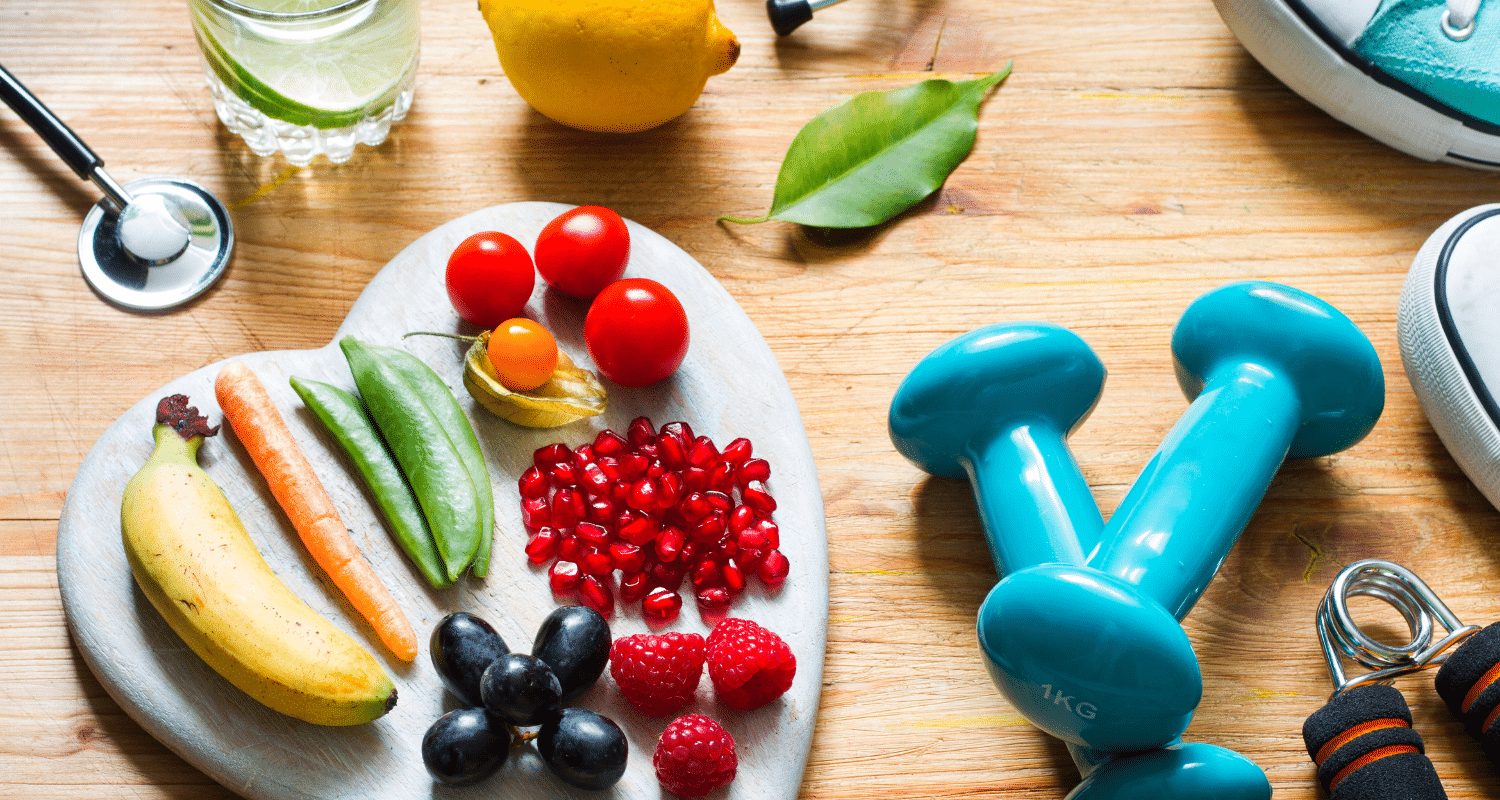
Eat whole foods. Choose fruits, vegetables, fish, and whole grains to reduce inflammation.
Keep track of symptoms. Write down what you feel each day and note changes.
Ask before returning to work, the gym, or sports. Your doctor will tell you when it is safe.
Many people return to normal activities within weeks. Rushing can cause setbacks.
Warning Signs That Need Urgent Care
Call emergency services right away if you have:
- Severe shortness of breath
- Fainting or feeling close to fainting
- Chest pain that worsens fast
- New fever
- Swelling in your legs or belly
- Fast heartbeat that does not slow down
- Trouble breathing while resting
These signs may point to serious problems. Fluid can build up and press on your heart, a condition called cardiac tamponade. It is a medical emergency. Do not wait to see if symptoms improve.
Common Questions Answered
Can pericarditis get worse with exercise?
Yes. Hard activity raises your heart rate and stresses the pericardium. This can extend the illness and increase inflammation. Rest is key to recovery.
How long should I avoid hard activity?
Most doctors recommend one to three months of rest. Some people need longer. Wait until all inflammation signs are gone and your doctor clears you.
Is caffeine safe during pericarditis?
It is best to limit or avoid caffeine. It can raise your heart rate and may worsen discomfort. Small amounts may be okay for some people, but ask your doctor.
Can stress cause a flare?
Yes. Stress hormones increase inflammation. Rest and calm activities help prevent setbacks.
Why is alcohol unsafe?
Alcohol stresses your heart and increases swelling. It can also interfere with medications like NSAIDs and blood thinners. Avoid it until you recover fully.
Do symptoms return if I stop medicine too soon?
Yes. About 20 to 50% of people have pericarditis more than once. Stopping treatment early increases this risk. Take medicines as prescribed.
When can I return to work or school?
This depends on your symptoms and job type. Desk work may be okay sooner than physical work. Ask your doctor when it is safe for your situation.
Take Care While You Heal
Pericarditis takes time to heal. Rushing back to normal life can bring symptoms back. Avoid strain, unhealthy foods, alcohol, and stress. These work against recovery.
Following your doctor’s advice lowers the chance of a flare. Simple habits give your heart the support it needs.
Most people recover fully with proper care. Rest is not wasted time. It is the main treatment.
Listen to your body. If something makes pain worse, stop doing it.
Your heart is working hard to heal. Give it the best chance by avoiding triggers and choosing healthy habits.
Sources:
https://www.mayoclinic.org/diseases-conditions/pericarditis/diagnosis-treatment/drc-20352514
https://pmc.ncbi.nlm.nih.gov/articles/PMC8390544/
https://my.clevelandclinic.org/health/diseases/21906-cardiac-tamponade
About the Author: Randy Kembel