
Coronary Stents: Types, Procedure, Recovery & Long-Term Care
A coronary stent is a small mesh tube placed inside a narrowed artery to hold it open and restore normal blood flow to the heart. It is one of the most common treatments for blocked coronary arteries.
Stents have transformed the treatment of coronary artery disease, offering a less invasive alternative to open heart surgery for many patients. Understanding how they work and what to expect helps patients feel more prepared before and after the procedure.
This guide covers how stents work, the different types available, the procedure itself, recovery, and long term care afterward.
This article is for general education and does not replace advice from your cardiologist. Always discuss your specific treatment plan and medications with your care team.
What Are Coronary Stents?
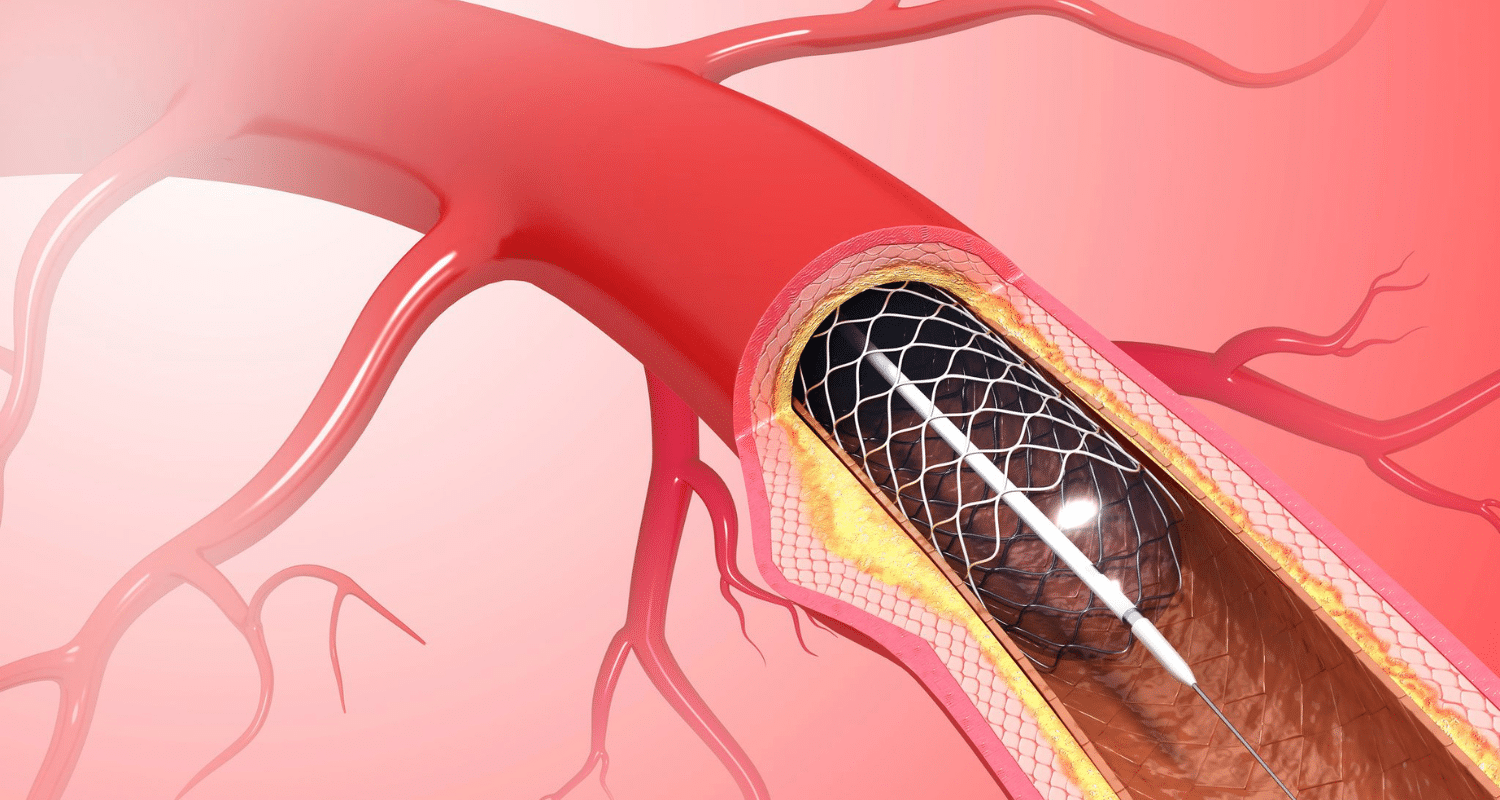
A coronary stent is a small, expandable mesh tube placed inside a coronary artery during a procedure called angioplasty. Once in place, it holds the artery open, restoring blood flow that had been reduced by plaque buildup linked to atherosclerosis.
Stents are used because they directly address narrowed or blocked arteries, relieving symptoms like angina and reducing the risk of further heart damage. By keeping the artery propped open, blood can flow more freely to the heart muscle.
How Coronary Stents Work
Coronary Artery Blockage
Over time, plaque buildup narrows the coronary arteries, reducing blood flow to the heart muscle and increasing the risk of a heart attack.
Balloon Angioplasty
During the procedure, a thin catheter with a small balloon at its tip is guided to the blocked area. The balloon is inflated, pressing plaque against the artery wall and widening the passage for blood flow.
Stent Deployment
A stent, mounted on the balloon, expands along with it and remains in place once the balloon is deflated and removed, acting as a permanent scaffold that holds the artery open.
Restoring Blood Flow
With the artery held open, blood flow to the heart muscle improves immediately, often relieving chest pain and reducing strain on the heart.
Healing After Stent Placement
Over the following weeks, the artery wall heals around the stent, and in some cases, a thin layer of tissue grows over it as part of the natural healing process.
Types of Coronary Stents
Several types of stents are available, each designed for slightly different clinical situations.
Drug-Eluting Stents (DES)
Drug eluting stents release medication over time that helps prevent the artery from renarrowing, a process called restenosis. Advantages include a lower long term restenosis rate. Disadvantages include the need for a longer course of blood thinning medication afterward. These stents are often the best choice for patients with a higher risk of restenosis.
Bare-Metal Stents (BMS)
Bare metal stents do not release medication and generally require a shorter course of blood thinning therapy afterward. They may still be preferred in specific situations, such as when a patient cannot tolerate extended antiplatelet therapy.
Bioabsorbable Stents
These stents gradually dissolve over time after the artery has healed and remained open, though their use remains more limited compared to metal stents.
When Is a Coronary Stent Needed?
Doctors recommend a coronary stent for several situations, including during or after a heart attack, for stable or unstable angina, for significant coronary artery disease found on imaging, and for severe artery blockage identified through testing. Stent placement can happen as an emergency procedure during an active heart attack or as a planned, elective procedure based on test results.
Coronary Angioplasty and Stent Procedure
Preparation typically includes fasting beforehand and reviewing current medications with your care team. During the procedure, a catheter is inserted through an artery, usually in the wrist or groin, and guided to the blocked coronary artery using imaging similar to cardiac catheterization and coronary angiography equipment.
The balloon is inflated to open the artery, and the stent is deployed and left in place. Most patients spend some time in a recovery room afterward, with many staying in the hospital overnight for observation, though some procedures allow for same day discharge depending on the situation.
Coronary Stent Recovery
Most patients recover fairly quickly after stent placement. Activity is typically limited for a short period immediately following the procedure, with a gradual return to normal activity over the following days to weeks. Many patients return to work within a week, depending on their job and overall recovery. Light exercise is often encouraged once cleared by a doctor, and follow up appointments help monitor healing and medication effectiveness.
Coronary Stent Medications
After stent placement, most patients need a period of dual antiplatelet therapy, combining aspirin with a second medication such as clopidogrel, ticagrelor, or prasugrel. This combination, along with broader statin therapy and blood pressure medications, helps prevent blood clots from forming around the new stent and protects against further plaque buildup.
Coronary Stents vs Coronary Artery Bypass Surgery (CABG)
| Feature | Coronary Stent | CABG |
| Procedure | Catheter based, minimally invasive | Open heart surgery |
| Recovery | Days to a few weeks | Several weeks to months |
| Hospital stay | Often overnight or same day | Several days |
| Best for | Single or a few blockages | Multiple or complex blockages |
| Risks | Bleeding, restenosis, clotting | Surgical risks, longer recovery |
| Long-term outcomes | Strong for appropriate candidates | Strong, especially for complex disease |
Benefits of Coronary Stents
Coronary stents offer several important benefits, including restoring blood flow quickly, relieving chest pain, reducing further heart muscle damage, improving overall quality of life, and offering a notably shorter recovery time compared to open heart surgery.
Risks and Complications
As with any procedure, coronary stenting carries some risk. Possible complications include bleeding at the catheter insertion site, infection, blood clot formation, restenosis over time, a rare but serious complication called stent thrombosis, allergic reaction to the contrast dye used during imaging, and in rare cases, kidney complications related to the contrast dye.
Life After a Coronary Stent
Life after a stent generally involves a heart healthy diet, regular exercise as approved by your doctor, quitting smoking if applicable, careful blood pressure control, ongoing cholesterol management, participation in a cardiac rehabilitation program when recommended, and consistent follow up care with your cardiologist.
How Long Do Coronary Stents Last?
Coronary stents are designed to remain in place permanently, and most function well for the rest of a patient’s life. The main long term concern is restenosis, where the artery narrows again over time, though modern drug eluting stents have significantly reduced this risk compared to older technology. In some cases, patients may need a repeat procedure if new blockages develop elsewhere or if restenosis occurs.
Choosing the Right Treatment for Coronary Artery Disease
Treatment options for coronary artery disease include medication alone, coronary stenting, CABG surgery, and ongoing lifestyle changes. The right choice depends on the number and location of blockages, overall heart function, and individual patient factors. This decision should always involve a detailed conversation with a cardiologist who can weigh the full picture of your heart health.