Know Your Risk Before It Strikes
Your arteries could be hiding early disease. Find out today.
What you eat plays a real role in your heart attack risk. Food can affect cholesterol, blood pressure, blood sugar, inflammation, and body weight. All of these factors influence your cardiovascular health over time.
No single food can prevent a heart attack on its own. Diet is one part of a prevention plan that may also include physical activity, avoiding tobacco, maintaining a healthy weight, managing blood pressure and cholesterol, and receiving appropriate medical care. This guide focuses on an overall heart healthy eating pattern rather than any one miracle food because your habits over time matter most.
This content is for informational purposes only and is not a substitute for medical advice. Diet supports prevention, but it isn’t emergency treatment. If you suspect a heart attack, call emergency services immediately. Never stop or change a prescribed heart medication in favor of dietary changes without speaking to your doctor first.
Can You Prevent a Heart Attack With Food?
Diet can lower your heart attack risk, but it can’t eliminate that risk completely. An overall healthy eating pattern followed consistently over time matters more than any single food.
Heart healthy eating can support lower LDL cholesterol, healthier blood pressure, better blood sugar management, and a healthy body weight. Each of these affects your long-term cardiovascular risk. Diet works best when combined with other prevention strategies, not as a stand-alone solution.
Best Foods to Help Prevent a Heart Attack
Eat More Vegetables
Leafy greens, broccoli, carrots, tomatoes, bell peppers, and other colorful vegetables provide fiber, vitamins, minerals, and other nutrients that support cardiovascular health. Fresh, frozen, and canned vegetables can all be good choices. Check packaged options for added sodium, heavy sauces, breading, and added fats.
Choose More Fruits
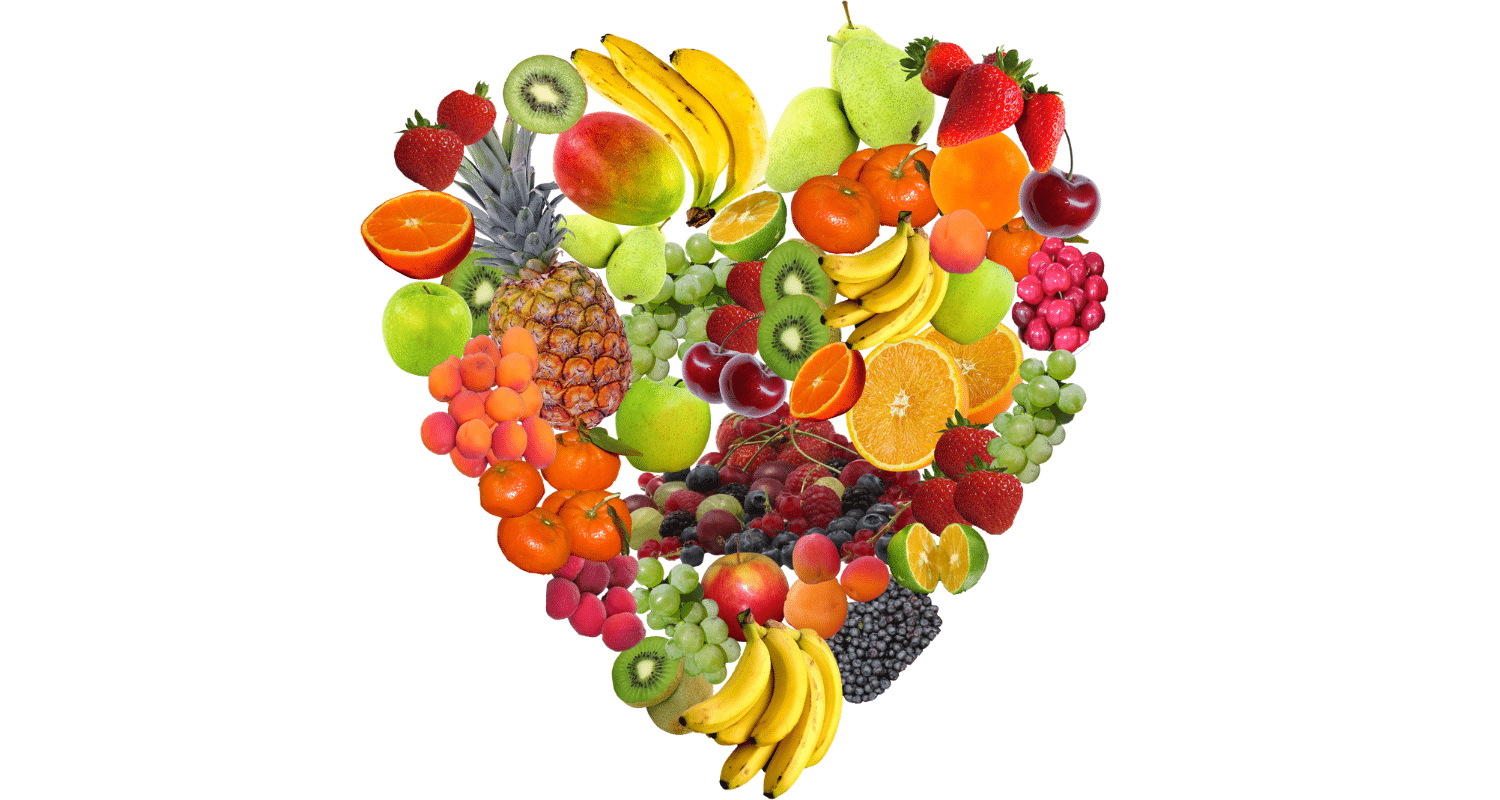
Berries, apples, oranges, bananas, pears, and citrus fruits all support heart health as part of a balanced diet. Whole fruit is generally a better choice than fruit juice or sweetened fruit drinks, since whole fruit provides fiber and produces a slower rise in blood sugar.
Choose Whole Grains
Oats, brown rice, whole wheat bread, barley, and quinoa provide fiber and other nutrients that support cardiovascular health. Whole grains retain more of their natural fiber and nutrients than refined grains.
Eat Beans and Legumes
Lentils, chickpeas, kidney beans, black beans, and peas provide fiber and plant-based protein. Replacing some processed or fatty meats with beans and legumes is a practical way to support cardiovascular health.
Choose Fish and Other Healthy Proteins
Fatty fish such as salmon, sardines, and trout provide omega-3 fatty acids linked to cardiovascular benefits. Other fish and seafood, skinless poultry, beans, lentils, nuts, and seeds can also provide alternatives to processed and fatty meats.
Choose Healthy Fats
Olive oil, avocados, nuts, seeds, and fatty fish provide unsaturated fats. Replacing saturated fat with unsaturated fat can support healthier cholesterol levels. These foods are still calorie-dense, so portions matter.
Foods to Limit or Avoid for Heart Health
Processed Meats
Bacon, sausage, hot dogs, salami, and deli meats are generally best limited as part of a heart healthy diet, since they tend to be high in sodium and saturated fat.
Foods High in Saturated Fat
Fatty cuts of red meat, butter, full-fat dairy products, and certain fried foods contain saturated fat. Eating too much saturated fat can raise LDL cholesterol in many people, contributing to plaque buildup over time.
Highly Processed Foods
Packaged snacks, fast food, processed frozen meals, chips, and other highly refined snack foods are often high in sodium, saturated fat, added sugar, or excess calories, sometimes all at once.
Excess Sodium
Processed meats, canned foods with added sodium, salty snacks, frozen meals, and restaurant meals are common sources of excess sodium. Too much sodium can raise blood pressure, increasing cardiovascular risk over time.
Added Sugars and Sugary Drinks
Soft drinks, sweetened beverages, candy, desserts, and sugary breakfast foods all contribute added sugar to your diet. Reducing added sugar supports a healthy body weight and better overall cardiovascular health.
What Is the Best Diet to Prevent Heart Attacks?
No single diet works the same way for everyone, but several well-studied eating patterns share principles that support cardiovascular health.
The Mediterranean-style diet emphasizes vegetables, fruits, whole grains, beans, nuts, fish, and olive oil while limiting red meat and processed foods. The DASH diet was developed to help lower blood pressure. It follows many of the same principles while placing added focus on limiting sodium.
Across these eating patterns, the common principles include:
- More vegetables and fruits
- More whole grains
- Regular beans and legumes
- Nuts and seeds
- Fish and other healthy protein sources
- Healthy unsaturated fats
- Less processed meat
- Less saturated fat
- Less sodium
- Fewer highly processed foods
- Limited added sugar
No single diet is universally best. Your needs may differ based on your medical history, health conditions, medications, and personal preferences. A doctor or registered dietitian can help adapt these principles to your situation.
How Does Food Affect Heart Attack Risk?
Cholesterol
Saturated fat can raise LDL cholesterol in many people, contributing to the plaque buildup behind atherosclerosis. Soluble fiber found in oats, beans, and many fruits can help lower LDL as part of an overall healthy diet. Your full eating pattern matters more than any single nutrient.
Blood Pressure
Sodium intake is closely connected to blood pressure for many people. That’s why high blood pressure management often includes dietary changes. Potassium-rich foods, including many fruits and vegetables, may also support healthy blood pressure.
People with kidney disease or certain other medical conditions should talk with their doctor before significantly increasing potassium or using a potassium-based salt substitute. DASH-style eating was developed around these general principles.
Blood Sugar
Limiting added sugar and refined carbohydrates can support healthier blood sugar levels. This is especially important for people with diabetes or prediabetes because high blood sugar can damage blood vessels over time and raise cardiovascular risk.
Body Weight
Portion control and choosing nutrient dense foods over highly processed, calorie dense options both support a healthy body weight. Reducing excess calories from processed foods and sugary drinks is often one of the more practical, sustainable ways to make progress here.
How Much Salt Should You Eat for Heart Health?
The American Heart Association recommends no more than 2,300 milligrams of sodium per day for most adults, with an ideal goal of no more than 1,500 milligrams for many adults, especially those with high blood pressure. Sodium is one component of salt, so these numbers refer to sodium listed on nutrition labels.
Common high-sodium foods include canned soups, frozen meals, deli meats, restaurant food, sauces, and packaged snacks. Reading nutrition labels, cooking more meals at home, choosing lower-sodium products, and using herbs and spices for flavor can help reduce your intake.
Your personal sodium needs may differ if you have kidney disease, heart failure, low blood pressure, or another medical condition. Ask your doctor which target is appropriate for you.
What Should You Drink to Help Prevent a Heart Attack?
Water is a good primary beverage for cardiovascular health. Unsweetened tea and other low-sugar drinks can also fit into a healthy eating pattern. Limiting soda, sweetened coffee drinks, and other sugary beverages supports blood sugar and weight management.
Alcohol shouldn’t be used as a heart protection strategy. If you don’t currently drink, there is no health reason to begin. If you do drink, talk with your doctor about what amount, if any, is appropriate for you. No beverage can guarantee heart attack prevention.
Simple Heart Healthy Meal Ideas
Breakfast
- Oatmeal with berries and nuts
- Whole grain toast with avocado
- Plain yogurt with fruit and nuts
Lunch
- Lentil or bean soup with vegetables
- Grilled fish with a large salad
- Whole grain wrap with vegetables and lean protein
Dinner
- Baked salmon with vegetables and brown rice
- Bean and vegetable bowl
- Grilled chicken with whole grains and vegetables
Snacks
- Fresh fruit
- Unsalted nuts
- Plain yogurt
- Vegetables with hummus
Portion size and overall balance across the day matter just as much as which specific foods you choose.
How to Build a Heart Healthy Plate
A simple plate method can make these principles easier to apply:
- Fill about half your plate with vegetables and fruit
- Use about one-quarter of your plate for whole grains
- Use about one-quarter for beans, fish, poultry, or another healthy protein
- Add a small amount of healthy fat when appropriate
- Choose water or another unsweetened drink
These proportions can be adjusted based on your nutritional needs and medical conditions. The general approach can still help when you’re cooking at home, ordering from a restaurant, or choosing a prepared meal.
Does Food Help Prevent Heart Blockages?
Diet can improve cholesterol, blood pressure, blood sugar, body weight, and other cardiovascular risk factors. Some intensive, medically supervised lifestyle programs have also reported small changes in plaque or disease progression in certain patients.
That doesn’t mean diet can erase existing cardiovascular disease or guarantee plaque reversal. Coronary artery disease often requires medication, ongoing testing, and sometimes medical procedures alongside dietary changes. Any intensive dietary program for existing cardiovascular disease should be discussed with your cardiologist.
Can Diet Reverse Heart Disease?
Diet can be an important part of managing cardiovascular disease, and some intensive, medically supervised lifestyle programs have shown improvements in cardiovascular risk factors and, in certain circumstances, measurable changes in disease progression.
That said, reversal should not be presented as guaranteed or expected for everyone. Existing coronary artery disease often requires medications, ongoing testing, and sometimes procedures alongside dietary changes. Diet does not replace prescribed cardiovascular treatment, and any significant dietary approach aimed at managing existing heart disease should be discussed with your cardiologist rather than pursued as a substitute for medical care.
Other Ways to Prevent a Heart Attack
Food is one part of a complete prevention plan. Other important steps include:
- Avoiding tobacco, discussed in our smoking and heart risk guide
- Exercising regularly, covered in our exercise and heart health guide
- Maintaining a healthy weight, discussed in our obesity and cardiovascular risk guide
- Managing blood pressure
- Managing LDL cholesterol, covered in our cholesterol management guide
- Managing diabetes and blood sugar
- Getting adequate sleep, discussed in our sleep and heart health guide
- Managing chronic stress
- Taking prescribed medications exactly as directed
- Attending recommended medical checkups
Diet works best as one part of a complete heart attack prevention plan, not as a stand-alone strategy.
When to Seek Emergency Help
Diet supports long-term prevention, not emergency treatment. If you or someone near you experiences possible heart attack symptoms, don’t try food, supplements, or home remedies. Warning symptoms may include:
- Chest pressure, squeezing, fullness, or pain
- Shortness of breath
- A cold sweat
- Nausea or vomiting
- Pain or discomfort spreading to the arm, back, neck, jaw, or shoulder
- Unusual or unexplained extreme fatigue
Call emergency services immediately if you suspect a heart attack. Our full warning signs guide covers these symptoms in more detail.
Frequently Asked Questions
What foods help prevent a heart attack?
Vegetables, fruits, whole grains, beans, fish, nuts, and healthy fats all support cardiovascular health as part of an overall eating pattern.
What is the best food to prevent a heart attack?
No single food can prevent a heart attack. An overall heart healthy dietary pattern matters far more than any one food choice.
Can you prevent a heart attack with food?
Diet can meaningfully lower your risk, but it cannot eliminate risk completely or guarantee prevention on its own.
What are the 10 best foods for heart health?
Leafy greens, berries, oats, salmon, walnuts, beans, olive oil, avocados, whole grains, and tomatoes can all fit into a heart healthy eating pattern.
What foods should I avoid to prevent a heart attack?
Processed meats, foods high in saturated fat, highly processed snacks, excess sodium, and added sugar are all worth limiting.
What can I drink to prevent a heart attack?
Water is the best primary choice, with unsweetened tea as another reasonable option. No beverage can guarantee prevention on its own.
Can diet reduce the risk of heart disease?
Yes. A heart healthy diet supports lower LDL cholesterol, better blood pressure, healthier blood sugar, and a healthier weight, all of which lower cardiovascular risk over time.
What is the best diet to prevent heart disease?
Mediterranean-style and DASH-style eating patterns are both well-studied and share similar principles. The right approach depends on your medical history, nutritional needs, and personal preferences.
Is the Mediterranean diet good for preventing heart attacks?
Yes. The Mediterranean diet is one of the most well-studied eating patterns for cardiovascular health. It emphasizes vegetables, fruits, whole grains, beans, fish, nuts, and unsaturated fats.
Is the DASH diet good for heart health?
Yes, particularly for blood pressure management, since it was specifically designed with sodium reduction and balanced nutrition in mind.
Can oatmeal help prevent heart disease?
Oats contain soluble fiber, which can help support healthier LDL cholesterol as part of an overall heart healthy diet.
Are nuts good for preventing heart attacks?
Nuts provide healthy fats and fiber, and regular nut consumption has been linked to lower cardiovascular risk in research.
Is fish good for heart health?
Yes. The American Heart Association recommends eating two servings of fish, particularly fatty fish, each week. Choose baked, grilled, or otherwise nonfried fish when possible.
Are eggs bad for your heart?
Eggs can fit into a heart healthy eating pattern for many people. The amount that is appropriate depends on the rest of your diet, your LDL cholesterol, and whether you have diabetes or existing cardiovascular disease. Ask your doctor or registered dietitian if you need individual guidance.
What foods lower LDL cholesterol?
Foods high in soluble fiber, such as oats and beans, along with unsaturated fats in place of saturated fats, can help support lower LDL cholesterol.
What foods help lower blood pressure?
A lower-sodium diet, along with potassium-rich fruits and vegetables, can support healthier blood pressure. People with kidney disease or certain other conditions should ask their doctor before increasing potassium or using potassium-based salt substitutes.
Can food clear blocked arteries?
No. Diet can help manage the risk factors behind blockages and support slower disease progression, but it cannot clear or dissolve existing plaque on its own.
Can diet reverse heart disease?
Diet can improve cardiovascular risk factors, and some intensive medical programs have reported small changes in plaque or disease progression. However, diet can’t guarantee that existing plaque will disappear or that cardiovascular disease will be cured.
How much salt should I eat for heart health?
General guidance recommends no more than 2,300 milligrams of sodium per day, with an ideal goal of no more than 1,500 milligrams for many adults. Your doctor may recommend a different amount based on your blood pressure, kidney function, heart failure status, or other medical conditions.
Can a healthy diet prevent a heart attack if I have high cholesterol?
Diet can help improve cholesterol levels, but people with high cholesterol may still need medication alongside dietary changes, based on their overall cardiovascular risk.
What should I eat after a heart attack?
Diet after a heart attack should be guided by your cardiology team, though it generally follows the same heart healthy principles covered throughout this guide.
What is a heart healthy breakfast?
Oatmeal with fruit and nuts, whole grain toast with avocado, or plain yogurt with fruit are all reasonable, heart healthy options.
What is a heart healthy dinner?
Baked fish with vegetables and whole grains or a bean-and-vegetable-based meal can both fit into a heart healthy eating pattern.
About the Author: Christine Cooper