Know Your Risk Before It Strikes
Your arteries could be hiding early disease. Find out today.
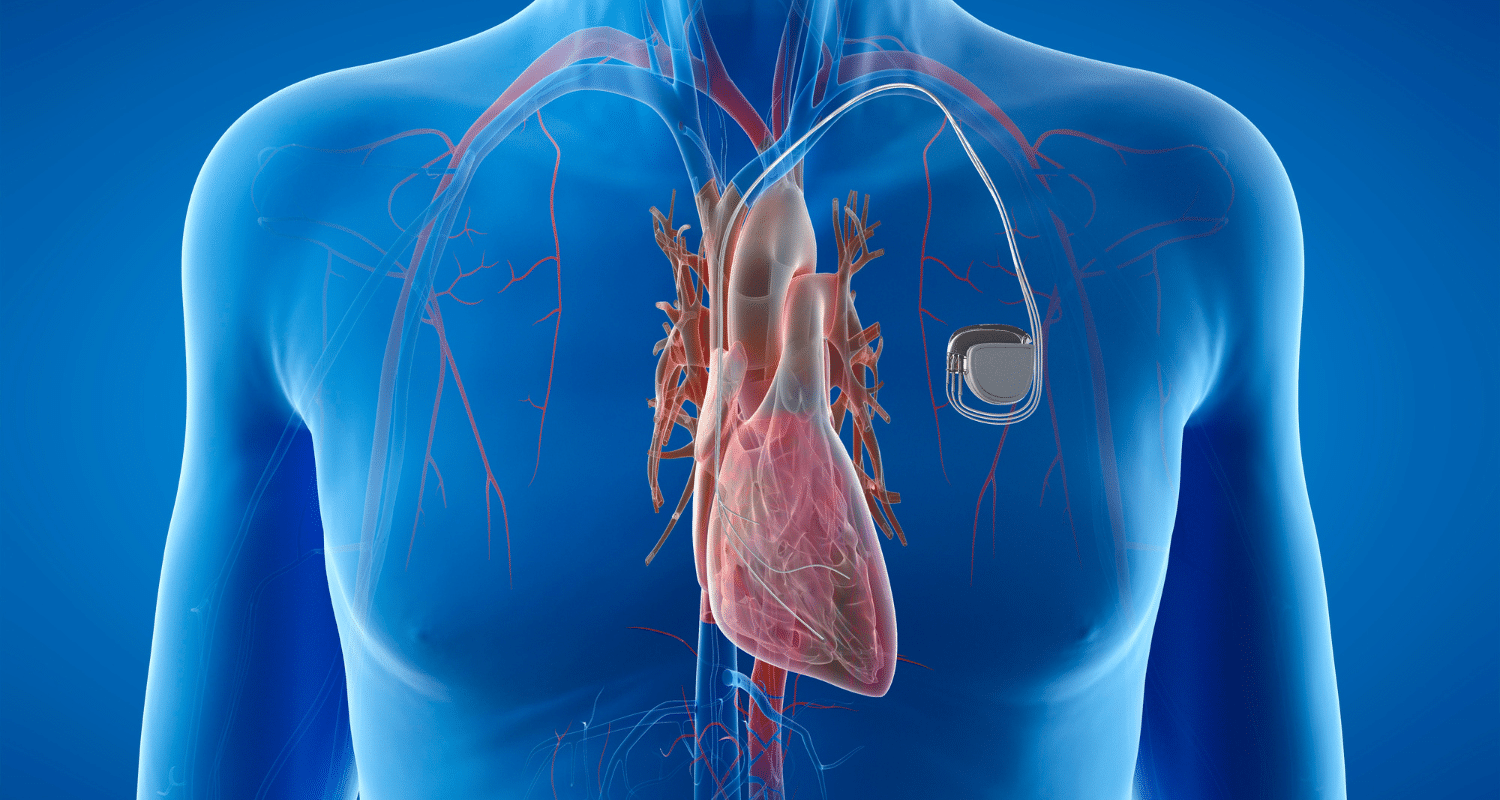
A pacemaker can be a life-changing device for people with certain heart rhythm problems, but it’s easy to assume it provides more protection than it actually does. Some people believe a pacemaker will shield them from having a heart attack. That isn’t correct, and believing it can be dangerous if it causes someone to delay getting help.
Yes, you can still have a heart attack with a pacemaker. A pacemaker manages specific electrical or rhythm problems, but it doesn’t treat or prevent the coronary artery blockages that cause most heart attacks. This guide explains what a pacemaker does, which heart attack symptoms to watch for, and why a normal pulse doesn’t rule out a medical emergency.
This content is for informational purposes only and is not a substitute for medical advice. If you suspect a heart attack, call emergency services immediately rather than waiting to see if the symptoms pass.
Can You Have a Heart Attack With a Pacemaker?
Yes. Having a pacemaker doesn’t eliminate your risk of a heart attack. A rhythm problem and a blocked coronary artery are different medical problems, so treating one doesn’t treat the other.
A pacemaker manages certain problems involving the heart’s electrical system, most often when the heart beats too slowly or its electrical signals don’t travel normally. A heart attack involves reduced or blocked blood flow. It commonly happens when plaque builds up inside a coronary artery and then ruptures or erodes, causing a blood clot to form. When this damages the heart muscle, it is called a myocardial infarction.
A pacemaker can’t open a blocked artery, remove plaque, or prevent coronary artery disease. Sometimes the relationship goes in the other direction. A heart attack can damage the heart’s electrical system and cause a rhythm or conduction problem that requires a temporary or permanent pacemaker.
Signs of a Heart Attack With a Pacemaker
Heart attack symptoms in someone with a pacemaker are generally the same as they are in someone without one. Common signs include:
- Chest pressure, tightness, squeezing, or discomfort
- Pain or discomfort spreading to the arm, shoulder, back, neck, jaw, or upper abdomen
- Shortness of breath
- Cold sweat
- Nausea or vomiting
- Dizziness or lightheadedness
- Unusual or sudden fatigue
- Weakness
- A rapid or irregular feeling heartbeat
- A general sense that something is seriously wrong
Symptoms vary from person to person. Chest discomfort is the most common symptom for both women and men, but women may also experience shortness of breath, nausea, unusual fatigue, or back and jaw pain. People with diabetes may have less noticeable symptoms. Our full warning signs guide covers these differences in more detail.
Don’t dismiss concerning symptoms because your pulse feels normal or you believe your pacemaker is working properly.
Does a Pacemaker Change Heart Attack Symptoms?
A pacemaker generally doesn’t change the symptoms caused by reduced blood flow to the heart muscle. However, having a pacemaker may create a false sense of security and make someone more likely to dismiss those symptoms.
A steady or normal-feeling pulse doesn’t confirm that your pacemaker is functioning normally, and it doesn’t tell you whether blood is flowing through your coronary arteries. Never use your pulse or the presence of a pacemaker to rule out a heart attack.
Can a Pacemaker Prevent a Heart Attack?
No. A pacemaker can’t prevent a heart attack.
Pacemakers are used to manage certain electrical and rhythm problems, commonly including an excessively slow heart rate called bradycardia and problems with electrical conduction. They don’t remove plaque, open blocked arteries, or prevent coronary artery disease from developing. Rhythm disorders and coronary artery disease require different prevention and treatment plans.
Can a Pacemaker Detect a Heart Attack?
No, not reliably. A pacemaker may record information about your heart rhythm, pacing, and device function, but it isn’t designed to diagnose a blocked coronary artery or heart attack.
Diagnosing a heart attack typically involves several pieces of information, including:
- Your symptoms and medical history
- An electrocardiogram, or ECG
- Blood tests, particularly cardiac troponin
- Imaging tests, such as an echocardiogram, when appropriate
- A chest X-ray or other tests when doctors need to check for different causes or complications
- Coronary angiography when needed
Doctors may check information stored by your pacemaker as part of the evaluation, especially if a rhythm problem is suspected. However, that information can’t replace an ECG, troponin testing, or emergency medical evaluation.
How Doctors Diagnose a Heart Attack With a Pacemaker
Diagnosing a heart attack may be more complicated when a person’s ECG shows a ventricular paced rhythm. Electrical impulses from the pacemaker can change the ECG pattern and make some common signs of a blocked coronary artery harder to interpret.
Doctors don’t rely on one finding alone. They consider your symptoms, medical history, ECG, troponin results, previous ECGs, pacemaker information, and other test results together. Clinicians can also use specific ECG criteria to look for signs of an acute coronary artery blockage in a paced rhythm.
This is one reason immediate evaluation matters when new symptoms appear. It is also relevant to silent ischemia, where reduced blood flow may cause mild, unusual, or no noticeable symptoms.
What Should You Do If You Have Heart Attack Symptoms With a Pacemaker?
Call emergency medical services immediately. Don’t wait for your pacemaker to correct the problem, and don’t assume that a normal-feeling heartbeat rules out a heart attack.
If you or someone near you develops chest pressure, shortness of breath, sweating, nausea, dizziness, or pain spreading to the arm, jaw, back, or shoulder, call emergency services. New, worsening, or persistent chest discomfort should also be treated as an emergency because it may be a heart attack or unstable angina.
A pacemaker doesn’t protect you from a blocked coronary artery. Waiting because your pulse feels steady can delay treatment during a critical period.
Pacemaker vs Heart Attack: What’s the Difference?
Pacemaker or rhythm problems and heart attacks can cause overlapping symptoms. This table can’t tell you which condition is responsible, but it shows why new symptoms require medical evaluation.
| Pacemaker or Rhythm Related | Possible Heart Attack |
| Slow heartbeat | Chest pressure or discomfort |
| Dizziness | Shortness of breath |
| Fainting | Cold sweat |
| Fatigue | Nausea |
| Palpitations | Pain spreading to arm, jaw, back, or shoulder |
Symptoms can and do overlap between these two categories. Dizziness, fatigue, and an irregular feeling heartbeat can come from either a rhythm problem or a heart attack, and there is no reliable way to sort this out on your own without medical evaluation. Any new or concerning symptom deserves prompt attention rather than an attempt to self diagnose which category it falls into.
Frequently Asked Questions
Can you still have a heart attack with a pacemaker?
Yes. A pacemaker does not prevent coronary artery blockages or the heart attacks they can cause.
Can a pacemaker prevent a heart attack?
No. It primarily treats certain abnormal or slow heart rhythms and has no effect on coronary artery disease or plaque buildup.
Can a pacemaker detect a heart attack?
Not reliably. A pacemaker may record information about your heart rhythm and device function, but it can’t identify or rule out a heart attack. Emergency evaluation still requires an ECG, blood tests, and other testing when appropriate.
Can you die from a heart attack with a pacemaker?
A pacemaker does not eliminate the danger of a heart attack. Any suspected heart attack requires immediate emergency evaluation, regardless of whether you have a pacemaker.
What heart conditions require a pacemaker?
Common reasons include bradycardia, heart block, sick sinus syndrome, and certain problems involving electrical conduction or the coordination of the heart’s pumping chambers. These conditions differ from the blocked coronary arteries behind most heart attacks.
What happens if you have chest pain with a pacemaker?
New, severe, worsening, or persistent chest pain should be treated as an emergency. Call emergency medical services rather than waiting for the pacemaker to correct it or assuming the device is causing the symptom.
Does a pacemaker protect against heart disease?
No. A pacemaker manages certain electrical, rhythm, and conduction problems. It doesn’t prevent other forms of heart disease, including coronary artery disease and the plaque buildup behind most heart attacks.
Final Takeaway
A pacemaker treats a specific electrical or rhythm problem. It doesn’t protect against the blocked coronary arteries that cause most heart attacks.
New chest discomfort, trouble breathing, sweating, nausea, dizziness, or other possible heart attack symptoms require immediate medical attention, even if your pacemaker appears to be working normally. To learn more about reducing your broader cardiovascular risk, read our guide on heart attack prevention and discuss your personal risk factors with your doctor.
About the Author: Christine Cooper