
Heart Lung Bypass Machine: How It Works, Uses, and Risks
A heart lung bypass machine takes over the work of the heart and lungs during open heart surgery. It pumps blood through the body, adds oxygen, and removes carbon dioxide while surgeons operate on a heart that is still and empty of blood.
Surgeons use this machine for many major operations, including coronary artery bypass surgery, valve repair, and aortic repair. The machine is only used for a short time, usually just during the operation itself. Below is a plain look at how it works, when it is used, what risks come with it, and how it differs from ECMO.
What Is a Heart Lung Bypass Machine?
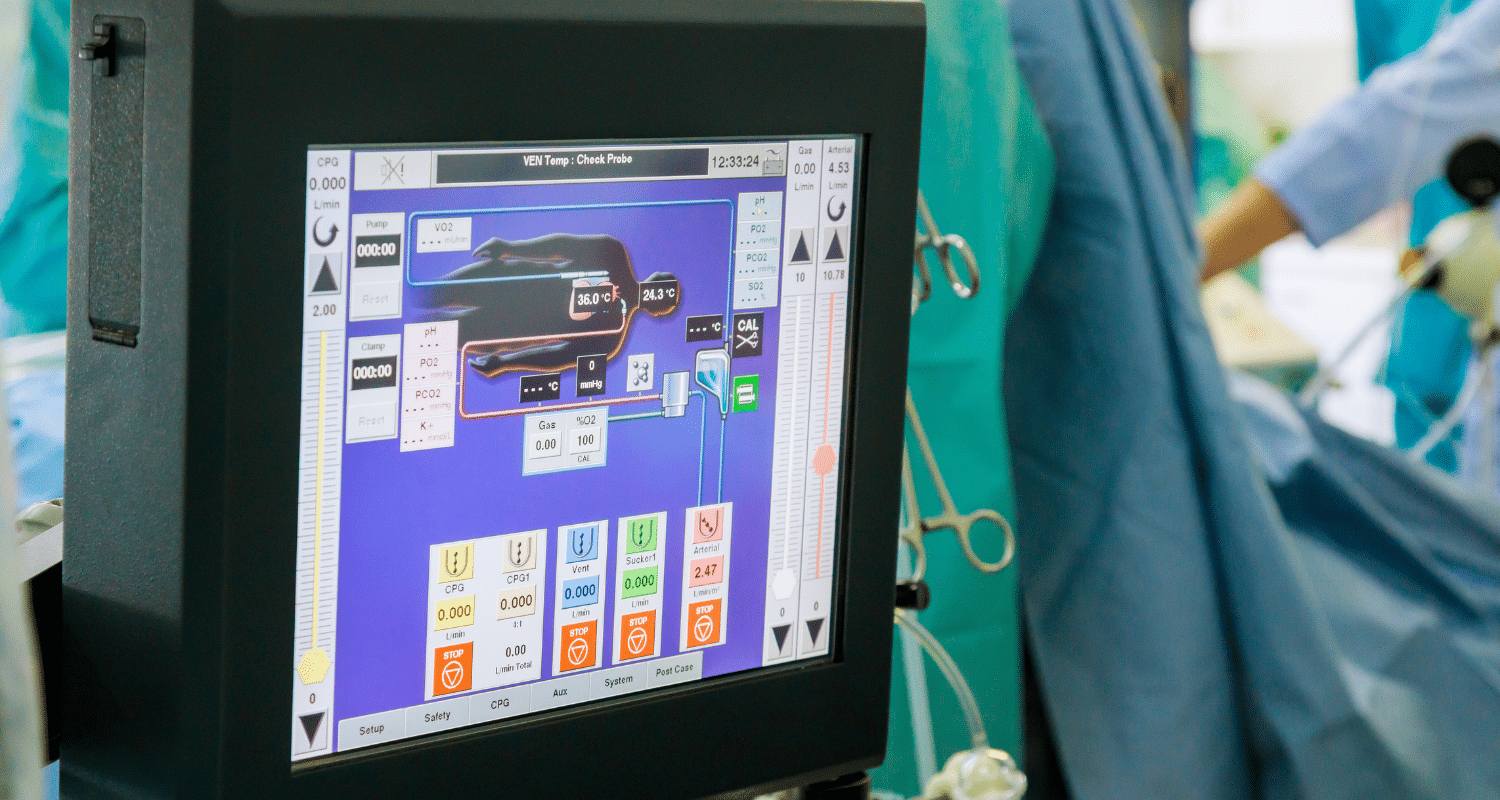
A heart lung bypass machine is the common name for a cardiopulmonary bypass system. It is also called a heart lung machine. It keeps blood moving and oxygen flowing to the brain and organs while the heart is stopped for surgery.
Without this machine, surgeons would have to work on a beating heart filled with blood. That makes delicate repairs much harder. The machine gives the team a still, clear field.
A trained specialist called a cardiac perfusionist runs the machine. This person watches blood flow, oxygen levels, temperature, and blood clotting throughout the operation. The perfusionist works closely with the surgeon and the anesthesia team.
How Does a Heart Lung Bypass Machine Work?
The machine follows a simple path. Blood leaves the body, passes through the machine, and returns to the body with fresh oxygen.
Blood Drainage From the Body
Tubes called cannulas are placed in large blood vessels or in the heart. They carry blood out of the body and into the machine. Gravity and gentle suction help the blood flow into a collection chamber called a reservoir.
Oxygenation and Carbon Dioxide Removal
Blood then moves through a device called an oxygenator. The oxygenator does the job the lungs normally do. It adds oxygen to the blood and takes out carbon dioxide.
Pumping Blood Back Into the Body
A pump pushes the oxygen rich blood forward. A filter catches tiny air bubbles and debris. A heat exchanger can cool or warm the blood. The blood then returns to the body through another cannula, usually placed in the aorta.
Stopping and Restarting the Heart During Surgery
For many operations, the surgeon gives a special solution called cardioplegia. It stops the heart safely and protects the heart muscle while it rests. When the repair is done, the team warms the patient, restores blood flow to the heart, and the heart starts beating again. Sometimes a small electrical shock helps.
Some bypass operations are done on a beating heart without the machine. That approach is called off pump surgery. Surgeons choose the method based on the patient and the operation.
What Is a Heart Lung Bypass Machine Used For?
Coronary Artery Bypass Grafting (CABG)
CABG creates new routes for blood to reach the heart muscle around blocked arteries. These blockages often come from atherosclerosis. The machine supports circulation while the surgeon sews the grafts in place.
Heart Valve Repair and Replacement
Valves that leak or narrow may need repair or replacement. Problems such as heart valve regurgitation can call for surgery. The heart must be opened for this work, so the machine is needed.
Aortic Aneurysm Repair
Repair of a bulging section of the aorta, known as an aortic aneurysm, sometimes requires bypass support. The machine keeps blood flowing to the body while that section is replaced.
Heart and Lung Transplant Surgery
Transplant operations replace a failing organ with a donor organ. The machine keeps the body supplied with oxygen during the switch.
How Long Can Someone Stay on a Heart Lung Machine?
The length of time depends on the type and difficulty of the surgery. Most operations need the machine for a few hours. The machine is meant for use during the operation, not as long term support.
The surgical team watches the kidneys, brain, blood pressure, temperature, and blood chemistry the whole time. Longer time on the machine can raise the risk of complications. That is one reason surgeons work to keep bypass time as short as is safe.
What Are the Risks and Side Effects of a Heart Lung Bypass Machine?
Bypass is considered safe in experienced hands, but any major surgery has risks. Possible problems include:
- Bleeding or blood clotting problems
- Inflammation throughout the body, which can strain the kidneys
- Kidney injury
- Stroke or other brain related changes, such as short term memory or focus problems
- Lung problems after surgery
Each patient has a different level of risk. Age, other health conditions, and the type of operation all matter. The care team reviews these factors before surgery. Blood thinning medicine such as heparin is used during bypass, and the team reverses it afterward. People who want to understand these drugs can read about anticoagulants.
Heart Lung Machine vs. ECMO: What Is the Difference?
ECMO stands for extracorporeal membrane oxygenation. It also moves blood outside the body, adds oxygen, and returns it. The two systems look alike, but they serve different goals.
| Feature | Heart Lung Bypass Machine | ECMO |
| Main purpose | Support during planned surgery | Support for severe heart or lung failure |
| How blood circulation is supported | Takes over the heart and lungs fully during surgery | Supports circulation and oxygen, often while the heart still beats |
| Typical duration | Hours | Days to weeks |
| Typical setting | Operating room | Intensive care unit |
| Typical patient | Person having planned or urgent heart surgery | Critically ill person, such as someone in cardiogenic shock |
Main Purpose of Each Machine
The bypass machine supports the body during an operation. ECMO supports the body while the heart or lungs heal, or while doctors decide on next treatment.
How Blood Circulation Is Supported
Bypass usually replaces both the heart and lungs while the heart is stopped. ECMO can support the lungs, the heart, or both, and the heart often keeps beating.
Typical Duration and Clinical Use
Bypass is short and tied to surgery. ECMO can run for days or weeks in an intensive care unit.
Which Patients May Need Each Treatment?
A person scheduled for open heart surgery may need the bypass machine. A person with severe heart failure or lung failure who cannot be stabilized by other means may need ECMO. The care team decides based on the patient’s condition.
How Is a Heart Lung Bypass Machine Connected to the Patient?
The surgeon places cannulas, which are thin, flexible tubes, into the heart or large blood vessels. Venous cannulas drain blood from the body. An arterial cannula returns oxygen rich blood, most often into the aorta.
Tubing links the cannulas to the machine. Trained surgical and perfusion teams place the tubes, check every connection, and manage the circuit from start to finish. The team monitors pressure and flow constantly. Equipment like this sits within the wider category of major surgical equipment.
How Much Does a Heart Lung Bypass Machine Cost?
There is no single price. Cost depends on the country, the hospital, the machine model, and the equipment included. Hospitals also pay for disposable parts such as oxygenators, tubing, and filters with each use.
It helps to separate two costs. One is the purchase price of the machine itself, which a hospital pays. The other is the total cost of heart surgery for a patient, which includes the surgeon, hospital stay, medicine, and recovery. Patients should ask their hospital and insurer for current estimates.
Final Thoughts
The heart lung bypass machine makes many complex heart operations possible. Understanding how it works helps patients and families feel more prepared before surgery.
Surgery treats damage after it appears. The BaleDoneen Method focuses on finding the root causes of artery disease early, with the goal of preventing a heart attack or stroke before an operation is ever needed. Patients who want prevention focused care can find a provider trained in this approach. Those already recovering from a cardiac event can read about post event recovery.