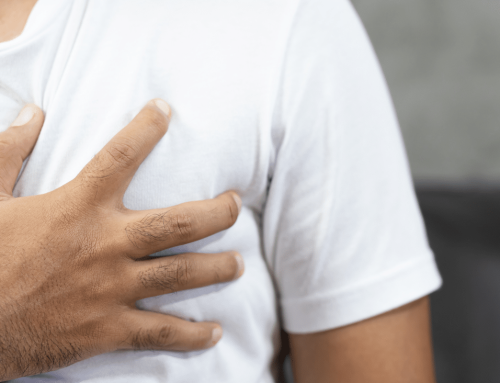
Know Your Risk Before It Strikes
Your arteries could be hiding early disease. Find out today.

Energy drinks promise instant alertness and improved performance. What many people do not realize is that these popular beverages may carry serious cardiovascular risks.
About 30% of U.S. teenagers now consume energy drinks regularly. These products often contain very high levels of caffeine combined with other stimulants. Some energy drinks contain more than 500 mg of caffeine in a single serving.
This article explains how energy drinks affect your heart, who faces the highest risk, and how prevention focused care can help protect you.
What’s Inside Energy Drinks?
Energy drinks contain multiple ingredients that affect the cardiovascular system. Understanding what is in these products matters.
Caffeine is the primary stimulant. It increases heart rate and blood pressure. An 8 ounce cup of coffee contains about 100 mg of caffeine. Some energy drinks exceed 500 mg per serving.
Guarana adds additional caffeine that is often not listed separately. This means the total caffeine dose may be higher than the label suggests.
Taurine can amplify caffeine’s effects when combined. Many energy drinks contain more than 10 times the recommended daily intake of taurine.
Sugar contributes to weight gain and metabolic stress. High sugar intake raises blood pressure and diabetes risk. Some brands replace sugar with artificial sweeteners.
Ginseng is generally considered safe in small amounts, but research on long term safety is limited. It may interact with prescription medications.
B vitamins support normal body functions, but energy drinks often contain excessive doses. High intake may cause toxicity, especially in people with kidney or liver impairment.
Energy drinks are regulated as dietary supplements, not medications. This means manufacturers are not required to prove safety before selling them.
How Energy Drinks Affect Your Heart
Energy drinks affect the heart through multiple pathways. The combination of stimulants places more strain on the cardiovascular system than any single ingredient alone.
Heart Rate and Rhythm
Caffeine and other stimulants increase heart rate. Research shows that energy drinks can raise heart rate by up to 20 beats per minute.
These products can also disrupt the heart’s electrical signaling. This may trigger arrhythmias or irregular heartbeats. The risk is significantly higher in people with genetic heart conditions.
Blood Pressure
Energy drinks cause temporary spikes in blood pressure. A 2019 study found increases in both systolic and diastolic blood pressure after consumption.
Repeated blood pressure elevation damages blood vessels over time. This increases the risk of stroke and heart attack.
When Does Risk Become Real?
One energy drink is unlikely to cause harm in healthy individuals. Risk increases under certain conditions.
- Consuming multiple drinks in a short time period.
- Mixing energy drinks with alcohol or other stimulants.
- Drinking them during or before intense exercise.
- Having underlying heart conditions you may not know about.

Are Heart Attacks Linked to Energy Drinks?
The evidence shows a concerning pattern. Research links excessive energy drink consumption to cardiovascular complications, including heart attacks.
What Science Shows
A 2017 review found that excessive energy drink consumption may lead to arrhythmias, cardiac arrest, and heart attacks. Most reported cases involved large amounts consumed in short time periods, often alongside alcohol.
A Mayo Clinic study reviewed more than 5,000 patients who survived sudden cardiac arrest. Among 144 survivors, seven had consumed energy drinks shortly before their cardiac event.
Case reports further highlight risk. One 21 year old who drank four energy drinks daily for two years developed heart failure and kidney failure. Another case involved a 24 year old who consumed 8 to 10 energy drinks daily for two weeks and showed signs of heart damage.
Who Faces Higher Risk?
People with genetic heart conditions face a much higher risk from energy drink consumption. The Mayo Clinic study identified several conditions associated with cardiac arrest following energy drink intake.
- Long QT syndrome.
- Catecholaminergic polymorphic ventricular tachycardia.
- Idiopathic ventricular fibrillation.
About 1 in 200 people has a genetic heart disease. Most are unaware they have it. For these individuals, stimulant exposure can trigger life threatening events.
What Science Doesn’t Say Yet
There is no evidence that energy drinks directly cause heart attacks in everyone who consumes them. Risk depends on caffeine dose, genetics, underlying arterial health, and other lifestyle factors.
More research is needed to understand how these ingredients interact over time. Larger studies are required to determine which individuals can safely tolerate these beverages and which cannot.
Hidden Cardiovascular Risk: A BaleDoneen Method Perspective
Not all heart attacks occur in people with diagnosed heart disease. Many happen unexpectedly in individuals who appeared healthy.
Standard medical visits focus on cholesterol, blood pressure, and symptoms. These tests often miss silent arterial disease that places people at real risk.
The BaleDoneen Method evaluates the arteries directly using advanced imaging such as CIMT scans and coronary artery calcium scoring. This approach identifies disease before symptoms appear.
Inflammation testing helps uncover damage that routine cholesterol panels miss. Genetic testing can reveal silent vulnerabilities that increase risk under stress.
For people who consume stimulants, this matters. Hidden arterial disease may limit the heart’s ability to tolerate the strain caused by energy drinks. Identifying risk early allows safer lifestyle decisions.
When to Seek Immediate Help
Call 911 immediately if you experience symptoms after drinking energy drinks.
- Chest pain or pressure.
- Palpitations or irregular heartbeat.
- Extreme dizziness or lightheadedness.
- Shortness of breath.
- Nausea or vomiting with chest discomfort.
Do not wait to see if symptoms improve. Emergency evaluation is critical.
Practical Tips for Safer Energy
Energy drinks are not required for alertness or performance. Safer alternatives can provide steady energy without cardiovascular strain.
Prioritize adequate sleep. Most adults need 7 to 9 hours per night.
Stay hydrated. Dehydration causes fatigue. Drink water throughout the day.
Eat nutrient rich meals. Balanced nutrition provides steady energy without crashes.
Limit caffeine. If you do consume caffeine, stay under 400 mg per day from all sources.
Know your body. Pay attention to unusual reactions like jitteriness or rapid pulse.
Check with your doctor. This is especially important if you have high blood pressure or family history of heart disease.
If you choose to consume energy drinks, practice moderation. Avoid multiple drinks in short periods and never mix them with alcohol or other stimulants.
FAQs
Can energy drinks cause arrhythmias?
Yes. Energy drinks can disrupt the heart’s electrical system and trigger irregular heartbeats. People with genetic heart conditions face significantly higher risk.
How do energy drinks affect heart rate?
Energy drinks can raise heart rate by up to 20 beats per minute. The effect depends on caffeine dose, other stimulants, and individual health factors.
Are energy drinks safe for people with heart conditions?
No. People with heart conditions should avoid energy drinks. Stimulants can trigger dangerous complications, especially in those with genetic heart disease or high blood pressure.
What ingredients in energy drinks are dangerous?
High doses of caffeine, guarana, and taurine pose the greatest risk. Combining multiple stimulants increases cardiovascular strain.
Can energy drinks lead to sudden cardiac arrest?
Yes, in rare cases. A Mayo Clinic study found that about 5% of cardiac arrest survivors had consumed energy drinks prior to their event.
How many energy drinks are too many?
There is no established safe upper limit. Some energy drinks contain more than 500 mg of caffeine in a single serving, exceeding recommended daily limits.
The Bottom Line
Energy drinks can trigger serious cardiovascular events. While rare, these risks are real and potentially fatal.
The greatest danger exists for people with underlying heart conditions, many of which remain undiagnosed. Stimulant exposure can push vulnerable hearts into crisis.
Understanding your arterial health through approaches like the BaleDoneen Method provides critical insight. Prevention focused care identifies risk before symptoms appear and supports safer lifestyle choices.
If you have concerns about energy drink safety or heart health, speak with your doctor. Screening for hidden cardiovascular risk can prevent life threatening events before they happen.
About the Author: Christine Cooper