Know Your Risk Before It Strikes
Your arteries could be hiding early disease. Find out today.

Heart attacks do not always look the way we imagine from movies. We often think of a man grabbing his chest and falling to the ground. Real life is different, and heart attack symptoms can be very different in women.
In fact, many women have heart attacks without chest pain. Instead, they may feel tired, dizzy, or have nausea that they dismiss as the flu, indigestion, or stress. This delay in action can be life-threatening.
Understanding the difference in symptoms between women and men is key. In this article, we will break down the warning signs, explain why they are often missed in women, and show how the BaleDoneen Method offers an advanced way to catch heart disease before it becomes deadly.
Why Gender Makes a Difference
Heart disease is the leading cause of death for both women and men. But many women do not know the signs. Others ignore them. Some doctors miss them too.
Men tend to have chest pain. Women may feel tired, dizzy, or sick to the stomach. These symptoms are easy to miss or explain away.
Many still believe heart attacks mostly happen to men. That is not true. Women have them too, and often with worse outcomes.
There is also a bias in care. Some doctors still expect male symptoms. When women do not show those signs, they may not get proper treatment right away.
Common Heart Attack Symptoms in Men
Men often show what most people expect:
- Chest pain or pressure
- Pain in the left arm, jaw, or neck
- Shortness of breath
- Cold sweat
- Nausea or vomiting
These signs are easier to spot as heart-related. The pain often feels sharp or tight.
Common Heart Attack Symptoms in Women
Women can have the same signs as men. But they are more likely to have:
- Unusual fatigue
- Trouble breathing
- Nausea or indigestion
- Pain in the back, neck, or jaw
- Dizziness
- Chest pain (but not always)
- Fainting
- Pressure in the lower chest or upper chest
The pain may feel dull or heavy. It may come and go. Some women feel no chest pain at all.
Quick Look: Men vs Women Symptoms
| Symptom | Men | Women |
| Chest pain | Common | Sometimes, but not always |
| Arm, neck, jaw pain | Common | Common, may include back pain |
| Trouble breathing | Common | Common |
| Nausea or vomiting | Less common | Very common |
| Fatigue | Less common | Often the first sign |
| Lightheadedness | Possible | More likely |
| Indigestion | Rare | Common |
| Fainting | Rare | More common |
Why Women’s Symptoms Are Missed
Many women do not think it is their heart. They may believe it is stress, food, or aging. Others do not want to bother anyone.
They often care for others and put themselves last. This leads to waiting too long. Some even pass out before seeking help.
There is also a bias in care. Some doctors still expect male symptoms. When women do not show those signs, they may not get proper treatment right away.

Women Have Different Risks Too
Risk factors like smoking and high blood pressure matter for both sexes. But some risks hit women harder or show up in ways doctors may miss.
Here are a few that matter most for women:
- Diabetes
- Depression and stress
- Sleep problems
- Pregnancy issues (like high blood pressure or diabetes)
- Menopause
- Autoimmune conditions
- Lack of physical activity
Heart disease is not just for older women either. Younger women can be at risk, especially if they smoke, take birth control, or have a family history of heart problems.
The BaleDoneen Method Can Catch Risk Early
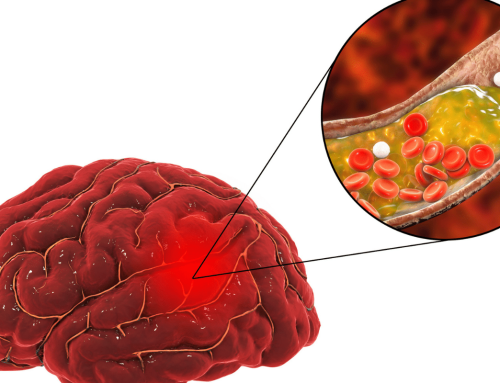
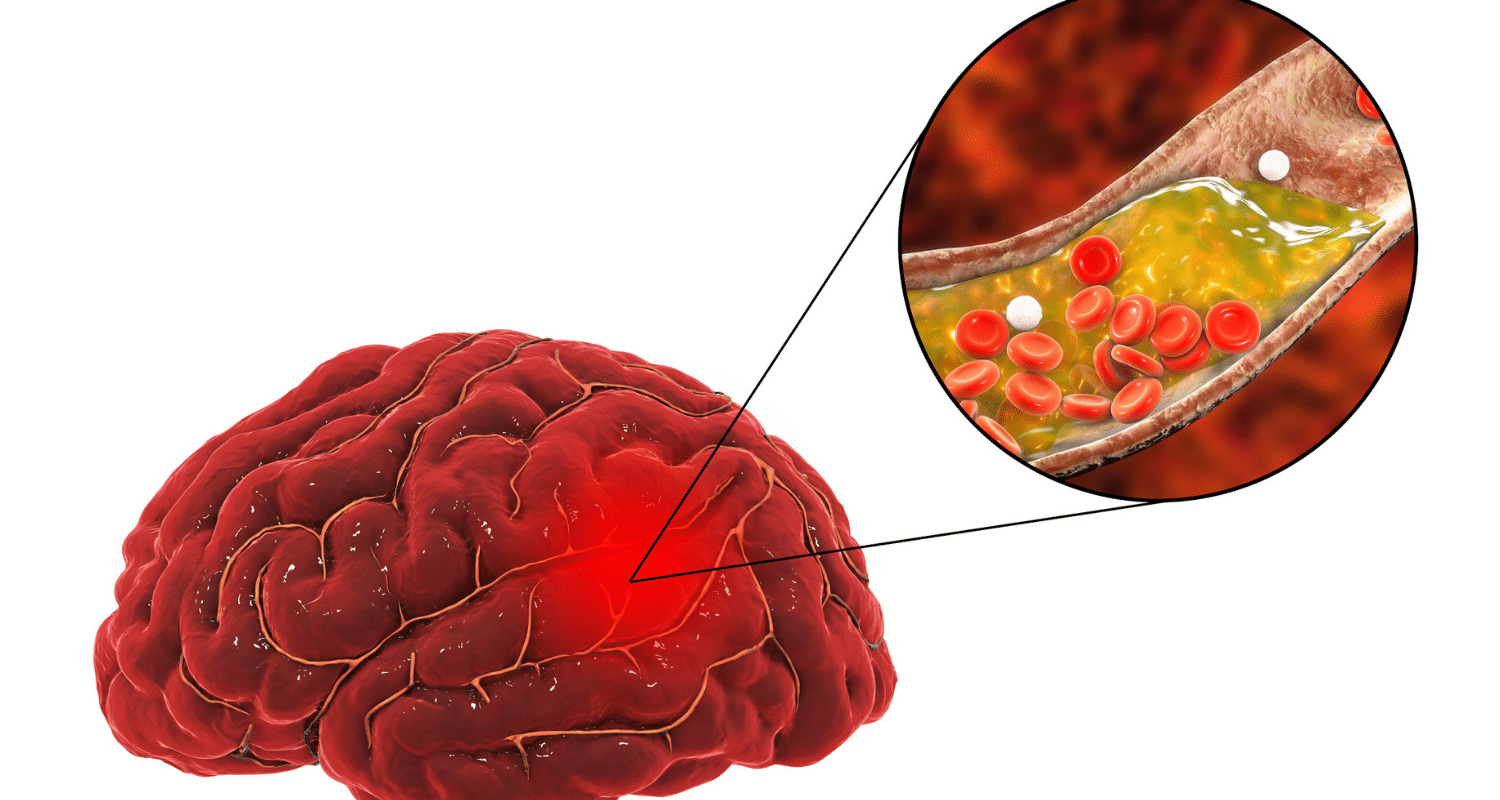
Most people who have a heart attack never knew they had plaque in their arteries. Standard care may not look for it until it is too late.
The BaleDoneen Method is different. It checks for signs of danger before symptoms start. This means you can take action sooner.
What it includes:
- Blood tests to check for silent inflammation
- Imaging (CIMT) to see plaque in the artery walls
- Genetic testing to find inherited risk
- A full plan based on your personal results
This method works for both men and women. It is especially useful for women with silent or hard-to-spot symptoms.
What to Do if You Notice Symptoms
Even if the signs seem small, do not wait.
Call 911 if you feel:
- Sudden or strange chest pressure
- New shortness of breath
- Pain in the back, jaw, or arms
- Nausea or vomiting without a clear cause
- Dizziness or fainting
- Unusual tiredness
Do not drive yourself. Do not wait to see if it gets worse. Every minute counts.
FAQs
Can women have heart attacks without chest pain?
Yes. In fact, many women do not experience chest pain at all. They may have fatigue, nausea, or back pain instead.
Why do women delay going to the ER during heart attacks?
Many women think their symptoms are not serious or are caused by stress, anxiety, or something they ate. Others put their family’s needs first.
Are jaw or back pain serious signs of a heart attack in women?
Yes. These are often overlooked signs of a heart attack in women and should never be ignored.
Do women have different risk factors for heart disease?
Yes. Pregnancy problems, menopause, diabetes, and autoimmune conditions raise women’s risk. Mental stress is also a major factor.
How is the BaleDoneen Method different from standard care?
It uses advanced tests to find silent plaque and inflammation before symptoms appear. It also gives each person a plan based on their own biology and risk.
What are early signs of a heart attack in women?
Fatigue, shortness of breath, and lightheadedness, especially if they come on suddenly or feel “off.”
Can mental stress cause heart attacks in women?
Yes. Stress and depression are known risk factors for heart disease, especially in women.
How can I check if my arteries are healthy?
Ask your doctor about CIMT and inflammatory blood tests. These can reveal risk that regular cholesterol tests might miss.
Is heart disease still the #1 killer of women?
Yes. More women die from heart disease than all forms of cancer combined.
How soon should I act if I think I’m having a heart attack?
Immediately. Call 911. Do not wait to see if it goes away.
How to Stay Ahead of Heart Disease
Heart disease is preventable in many cases. These simple steps can help:
- Check your blood pressure, cholesterol, and blood sugar
- Get tested for plaque and inflammation
- Stay active most days
- Eat whole foods and limit salt
- Quit smoking
- Get enough sleep
- Manage stress
- Get tested if you have a family history
Ask your provider how you can measure your artery health. The sooner you know your risk, the sooner you can take steps to protect your heart.
Final Thought
Heart attacks do not always look the same in men and women. Women often have less obvious signs. This makes it harder to know when to get help.
If you feel something is not right, speak up. Listen to your body. Do not wait.
With tools like the BaleDoneen Method, it is possible to find and fix problems before they cause a heart attack. That means better health, longer life, and fewer unexpected problems.
About the Author: Randy Kembel