Know Your Risk Before It Strikes
Your arteries could be hiding early disease. Find out today.

Heart disease remains one of the leading causes of death worldwide, and a key event associated with heart health is a heart attack. A heart attack, also known as a myocardial infarction (MI), happens when the flow of blood to part of your heart is blocked, usually by a buildup of fatty deposits in the coronary arteries.
The sooner people get diagnosed, the better their chances of surviving a heart attack, but many individuals are not aware that heart attack symptoms can start subtly, sometimes even a week or two before the event. Knowing the signs of heart attack that can appear up to a month before is important for prevention and potentially lifesaving treatment.
What Are the Early Warning Signs?
It’s rare for the heart to fail without giving warning signs. However, these symptoms are often mistaken for indigestion, stress, or fatigue. By just being a little extra cautious, you can recognize those early warning signs of an oncoming heart attack and seek help before it’s too late.
It is important to also keep in mind that symptoms may differ from person to person, especially between men and women, and sometimes across different countries, the body communicates when something isn’t right.
Read on to discover six surprising heart attack cues that can appear a few weeks before the attack.

Chest Discomfort and Pain
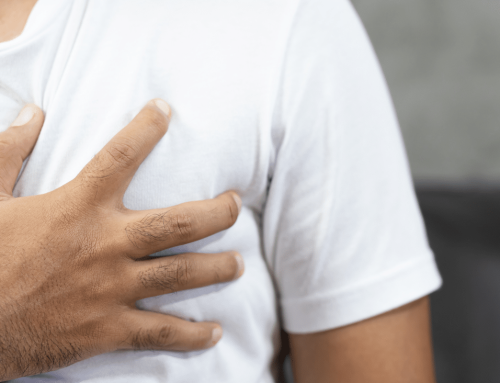
Although it is the most well-known symptom, heart attack chest pain sensations aren’t always dramatic. Discomfort is often a gradual process; it may feel like pressure, fullness, or squeezing. It’s usually described as fullness in the chest, pinching, or burning that comes and goes. This discomfort is not always intense, but even mild or moderate chest pain can be alarming.
Also, remember that chest pain can be referred. Others feel pain in their arms, shoulders, or neck. For some people, jaw pain can also appear and is sometimes misdiagnosed as temporomandibular joint disorder. The jaw links directly to the heart’s nerves through an overlapping of nerves. Hence, pain in the jaw is often a subtle but very significant signal of a potential cardiac crisis.
Shortness of Breath and Fatigue
Another concerning sign is shortness of breath after even mild activity. “If going up steps or walking 200 feet leaves you out of breath suddenly, that could indicate a lack of blood flow to the heart. Shortness of breath is often accompanied by fatigue so extreme it limited activity weeks before the attack. Many patients remember feeling abnormally tired or weak in the weeks leading up to the attack, even if their activity and sleep habits had not changed.
This warning sign is often mistakenly ignored, especially by women. Women may blame it on stress, hormones, or not enough sleep, and thus postpone critical medical evaluation.
Digestive Issues: Indigestion, Nausea, and Heartburn
Indigestion or an upset stomach can also be a common precursor to having a heart attack, which many people don’t realize. Heart symptoms are frequently confused with acid reflux or heartburn, as well as simple indigestion. In truth, upper stomach pain, bloating, or pressure are symptoms that both men and women can experience, indicating diminished blood flow to the heart.
Some people feel nauseated or even vomit on the day of their heart attack. And, while these symptoms should not be taken lightly (and the signs can often be misinterpreted as stomach issues), they’re just one of the many myocardial infarction signs your body is signaling you to notice.
Dizziness, Weakness, and Cold Sweat
Dizziness and light-headedness can also arise when the heart has difficulty pumping sufficient blood to the brain. Associated symptoms may include unexplained fatigue or weakness, lightheadedness, and breaking into a cold sweat without exertion. Some individuals also report experiencing night sweats or sudden episodes of intense sweating in the weeks leading up to an attack.
It is easy for these symptoms to be mistakenly attributed to anxiety, low blood sugar, or dehydration; as a part of the overall picture of cardiovascular warning signs, however, they may be red flags. For others, these subtle symptoms were enough to prompt them to seek care and help avoid a silent heart attack.
Sleep Disturbances and Anxiety
Another red flag that’s often overlooked is difficulty sleeping. In some high-risk persons, there may be frequent awakenings, insomnia, or vivid dreams. These sleep disturbances may be related to poor circulation, low oxygen levels, or increased anxiety, as the body senses that something is wrong.
Anxiety can, in fact, be a symptom too. Patients often report feeling anxious or experiencing an “impending sense of doom,” or unusual restlessness. This mental cue may accompany other symptoms, which can signal an oncoming heart failure or cardiac arrest.
Pain Beyond the Chest
Although the chest is the primary location of pain, it can also spread to the entire body. Discomfort may spread to the upper body, including one or both arms, shoulders, back, neck, or jaw. Pain can develop up to a month before a cardiac event. Women who do not always have the classic crushing chest pain, often present differently, with back or shoulder pain being more common. Some experience generalized aches in the mid-back or shoulders, rather than chest pain.
Some people also experience abdominal pain, coughing, or wheezing, which may be related to fluid accumulation from a weakened heart. Leg, ankle, or foot swelling can indicate poor circulation, and it may be a symptom that appears in the weeks leading up to a heart attack.
Silent Heart Attacks
Not everyone experiences obvious symptoms. In fact, a silent heart attack is just as dangerous as one with obvious symptoms. Silent heart attacks have subtle or misunderstood symptoms, which often prevent people from seeking timely medical attention. They may experience mild indigestion or fatigue, rather than crushing chest pain. These episodes are particularly frequent in persons with diabetes, older adults, and women. Since silent heart attacks are frequently not felt, they increase the risk of further damage and complications.
The Role of Genetics and Risk Factors
Identifying symptoms is important, but understanding your risk is equally important. Genetic risk for heart disease does factor in, but so do lifestyle habits like smoking, poor diet, high cholesterol, and uncontrolled high blood pressure. So, with that in mind, make sure you know your family history and monitor your heart health – it could save your life.
Preventing a Heart Attack
Prompt recognition of the signs of myocardial infarction permits intervention before damage has taken place. If you experience any of the mentioned symptoms, particularly when they occur together, consult a doctor immediately. Doctors may order tests like EKGs, blood work, or imaging studies to evaluate your heart.
Lifestyle changes are also highly effective options for preventing heart attacks. Some proven ways to protect your heart health include eating a heart-healthy diet, engaging in regular physical activity, maintaining a healthy weight, managing stress effectively, and controlling conditions such as diabetes or hypertension. And if you quit smoking and cut down on alcohol even further, then your risk decreases significantly.
Final Thoughts
A heart attack seldom strikes without any warning. From chest pain and shortness of breath to fatigue, dizziness, or jaw pain, your body often warns of trouble in the weeks leading up to a serious event. Being aware of cardiovascular warning signs, figuring out how to distinguish between heartburn or indigestion and heart discomfort, and realizing that there are subtle differences in heart attacks in women versus men can make all the difference.
The good news is that it can be detected early, and lifestyle changes and medical care can both save lives. If you notice persistent sleep problems, unusual anxiety, or ongoing upper body discomfort, seek medical evaluation immediately. Awareness is the first step toward early detection and prevention.
At BaleDoneen, we are dedicated to empowering people to recognize these essential symptoms, assess their personal risk factors, and undergo the necessary blood tests for optimal cardiovascular protection.
FAQs
How long can your body warn you before a heart attack?
Your body could alert you that a heart attack is developing weeks or even months before your ticker clogs and stops blood flow to a part of your heart, so it’s time to listen up.
What are the 5 P’s of a heart attack?
The “5 P’s,” are Pain, Pallor, Pulse, Perspiration, and Paralysis, classic signs signaling a significant heart event requiring immediate treatment.
What are mini heart attack symptoms?
A mini heart attack (or temporary blockage in a vessel that supplies blood to the heart) may result in symptoms of breathlessness, fatigue, nausea, mild chest or jaw discomfort/ache, or pain in the neck and back.
What is the 7-second trick to prevent a heart attack?
The so-called “7-second trick,” which involves taking slow, deep breaths (approximately 7 seconds in and out), has been credited with calming the nervous system, reducing strain on the heart, and reducing strain on the heart. This breathing technique may help calm the nervous system, but it should not be used as a substitute for medical prevention or treatment.
About the Author: Randy Kembel