Know Your Risk Before It Strikes
Your arteries could be hiding early disease. Find out today.

Many people use the phrase “heart stroke” to describe events that are actually two separate conditions: stroke and heart attack. Both are life-threatening emergencies. Both involve blocked blood flow. But they affect different organs, cause different symptoms, and require different treatments.
Stroke affects the brain. Heart attack affects the heart. Knowing the difference, and knowing what to do, can save a life. Treatment works best when given fast. For stroke, the window is as short as 4.5 hours. Every second of delay means more brain cells lost.
Stroke vs. Heart Attack vs. Cardiac Arrest: A Quick Comparison
| What It Is | Main Organ Affected | |
| Stroke | Blocked or burst blood vessel in the brain | Brain |
| Heart Attack | Blocked artery to the heart muscle | Heart |
| Cardiac Arrest | Heart stops beating entirely | Heart and whole body |
What Is a Stroke?
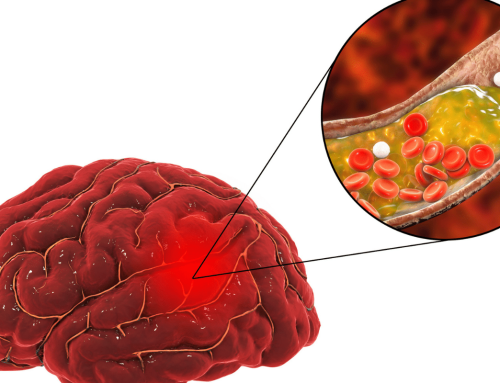
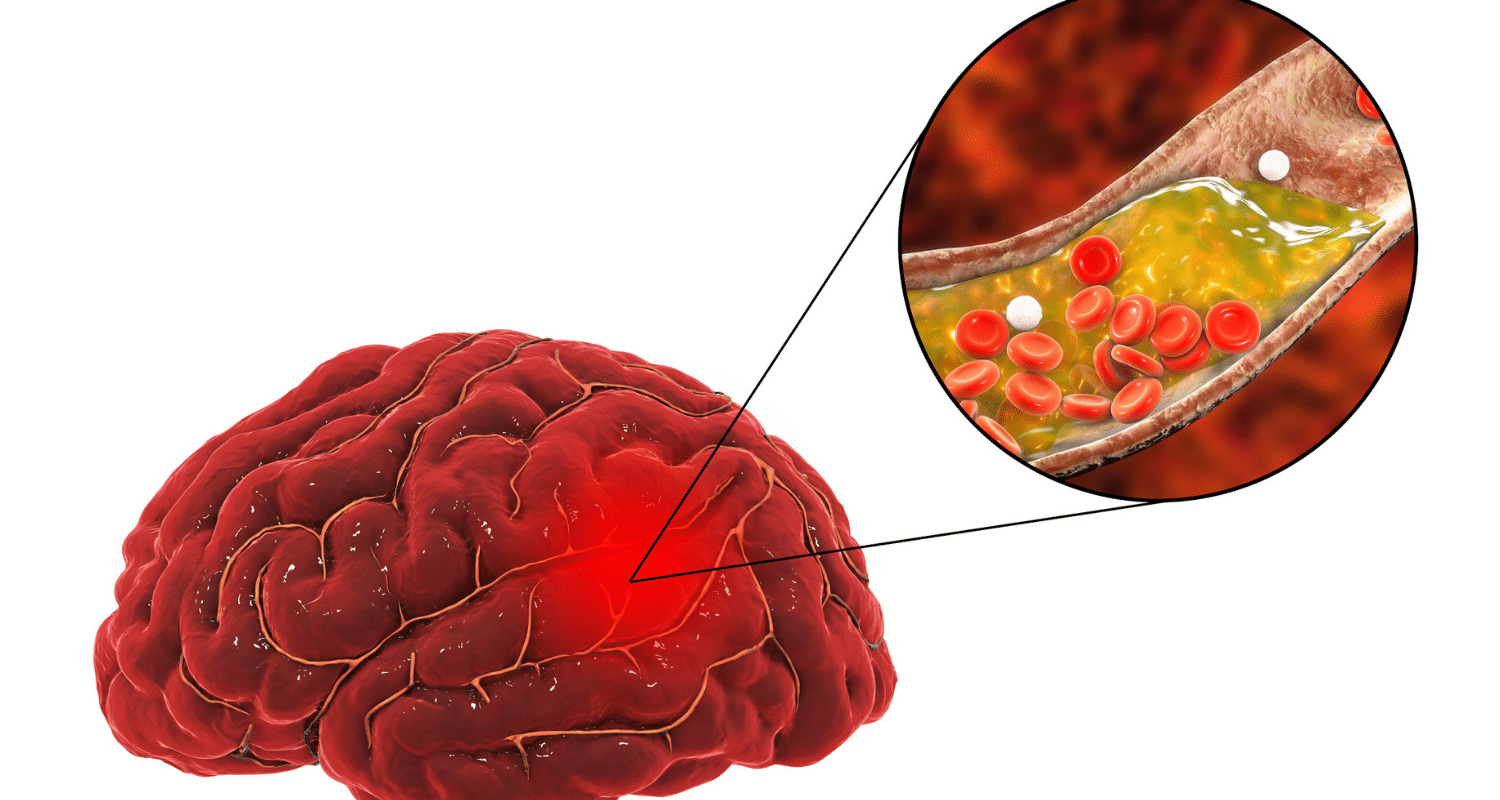
A stroke, also called a cerebrovascular accident (CVA) or brain attack, happens when blood flow to part of the brain is cut off or a blood vessel bursts. Brain cells begin to die within minutes. According to Cleveland Clinic, stroke is the second leading cause of death worldwide and the fifth most common in the U.S.
There are three types:
- Ischemic stroke. A blood clot blocks an artery supplying the brain. This is the most common type. Read more about ischemic stroke.
- Hemorrhagic stroke. A blood vessel in the brain ruptures and bleeds into surrounding tissue.
- Transient ischemic attack (TIA). Often called a mini-stroke. Symptoms are temporary but signal a high risk of a full stroke soon. TIA requires emergency evaluation.
What Is a Heart Attack?
A heart attack happens when a blocked coronary artery cuts off blood supply to part of the heart muscle. Without blood, heart tissue begins to die. The longer the blockage lasts, the more damage occurs. Heart attack is different from cardiac arrest, where the heart stops beating entirely. A heart attack can trigger cardiac arrest, but they are not the same event.

Stroke Warning Signs: Use BE FAST
Cleveland Clinic and the American Stroke Association both recommend the BE FAST acronym to spot stroke symptoms quickly:
BE FAST: Stroke Warning Signs
B Balance: Sudden loss of balance or coordination
E Eyes: Sudden vision loss or blurry/double vision
F Face: Drooping on one side of the face when trying to smile
A Arms: One arm drifts down or feels weak when both are raised
S Speech: Slurred words, confusion, or inability to speak
T Time: Call 911 immediately. Note when symptoms started.
Other stroke symptoms include sudden severe headache with no known cause, numbness on one side of the body, and sudden confusion or trouble walking.
Heart Attack Warning Signs
Classic heart attack symptoms include:
- Chest pain, pressure, squeezing, or fullness that lasts more than a few minutes or comes and goes
- Pain or discomfort in one or both arms, the back, neck, jaw, or stomach
- Shortness of breath, with or without chest discomfort
- Cold sweats, nausea, or lightheadedness
Heart Attack Symptoms in Women
Women are more likely to have typical heart attack symptoms. Chest pain may be absent entirely. Instead, women may experience back or jaw pain, unusual fatigue weeks before the event, heartburn-like discomfort, nausea, and anxiety. These symptoms are often dismissed as stress or indigestion. If they occur suddenly and feel out of the ordinary, take them seriously and call 911.
Why Time Is Critical
Brain cells die at a rate of about 1.9 million per minute during a stroke. For ischemic stroke, clot-dissolving medication called tPA (tissue plasminogen activator) can significantly reduce long-term disability. But it must be given within 4.5 hours of symptom onset. The sooner it is given, the better the outcome.
For heart attack, every minute of blocked blood flow means more heart muscle dies. Angioplasty and stent placement work best when performed quickly. The phrase “time is muscle” captures this well. Calling 911 instead of driving yourself gives paramedics time to begin evaluation and alert the hospital before you arrive.
Stroke Treatment Options
Treatment depends on the stroke type:
- Ischemic stroke. Doctors use thrombolytics (Alteplase or Tenecteplase) to dissolve the clot. In some cases, mechanical thrombectomy removes the clot directly. Blood pressure is managed carefully throughout.
- Hemorrhagic stroke. The goal is to stop the bleeding and reduce pressure in the brain. Medications are used to control blood pressure. Surgery may be needed in severe cases.
Heart Attack Treatment Options
- Angioplasty and stenting. A catheter opens the blocked artery and a stent holds it open.
- Coronary artery bypass surgery (CABG). Used when multiple arteries are blocked and stenting is not enough.
- Medications. Blood thinners, aspirin, beta blockers, and statins are all used depending on the situation.
Stroke Rehabilitation and Recovery
Recovery after a stroke takes time. Most people begin rehab while still in the hospital. Rehab addresses the specific abilities affected by the stroke. It may include physical therapy to rebuild muscle strength and balance, occupational therapy to relearn daily tasks, speech therapy for language and swallowing, and cognitive rehab for memory and concentration. Depression and anxiety are common after stroke and should be treated as part of recovery, not ignored. See our post-event recovery program for support.
Shared Risk Factors for Stroke and Heart Attack
Most strokes and heart attacks share the same root causes:
- High blood pressure is the leading modifiable risk factor for stroke and heart attack.
- High cholesterol accelerates plaque buildup in arteries.
- Diabetes and insulin resistance damage blood vessels over time.
- Smoking hardens arteries and raises clotting risk.
- Atrial fibrillation significantly raises the risk of clot-related stroke.
- Obesity raises blood pressure and cholesterol.
- Sleep apnea damages arteries and raises cardiovascular risk at night.
- Family history and advancing age both raise baseline risk.
How to Reduce Your Risk
- Eat a heart-healthy diet. Anti-inflammatory nutrition supports healthy arteries and lower blood pressure.
- Exercise regularly. Physical activity strengthens the heart and reduces blood pressure.
- Control blood pressure and cholesterol. These are the two most powerful modifiable risk factors.
- Manage stress. Chronic stress raises blood pressure and inflammation.
- Get regular checkups. Advanced cardiovascular testing detects risk before symptoms appear.
- Take prescribed medications. Blood pressure medications, statins, and anticoagulants all reduce event risk when used correctly.
Find out your cardiovascular risk before an emergency occurs.
The Baledoneen Method uses advanced cardiovascular testing, including CIMT testing, inflammation markers, and lipid analysis, to identify risk years before a heart attack or stroke strikes. It goes far beyond what a standard checkup can show.
FAQs
What is the difference between a stroke and a heart attack?
A stroke affects the brain. A heart attack affects the heart. Both involve blocked blood flow, but to different organs. Stroke symptoms include face drooping, arm weakness, and speech problems. Heart attack symptoms typically include chest pain, arm pain, and shortness of breath.
What are the first warning signs of a stroke?
Use BE FAST: sudden loss of balance, vision changes, face drooping, arm weakness, speech difficulty. Also watch for sudden severe headache, numbness on one side, or sudden confusion. Call 911 at the first sign.
What is the 4.5-hour window for stroke treatment?
For ischemic stroke, clot-dissolving medication (tPA) must be given within 4.5 hours of symptom onset to be most effective. Waiting beyond this window reduces treatment options and increases the risk of permanent disability.
Can stroke symptoms go away on their own?
Yes. A TIA (mini-stroke) causes temporary symptoms that resolve on their own. But a TIA is a warning sign, not a safe outcome. Anyone who experiences stroke-like symptoms that pass still needs emergency evaluation. The risk of a full stroke within the next few days is high.
What heart attack symptoms are more common in women?
Women often experience jaw or back pain, unusual fatigue, nausea, heartburn, and anxiety rather than classic chest pain. These symptoms are frequently missed or dismissed. Trust your instincts and call 911 if something feels wrong.
How can I reduce my risk of stroke or heart attack?
Control blood pressure, manage cholesterol, quit smoking, maintain a healthy weight, and stay active. Treat atrial fibrillation if diagnosed. Get regular cardiovascular checkups. Early detection of risk factors is far more effective than treating an event after it happens.
Sources
About the Author: Christine Cooper