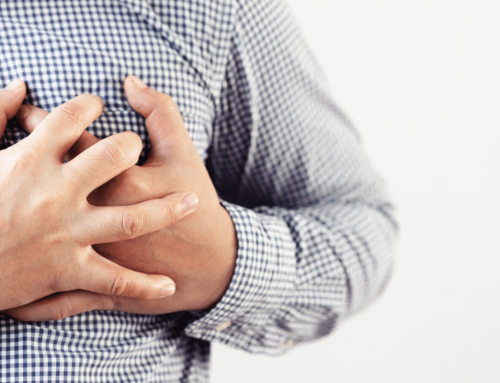
Know Your Risk Before It Strikes
Your arteries could be hiding early disease. Find out today.

Most strokes are preventable. Up to 80% can be avoided through healthy lifestyle changes and proper control of medical conditions. Knowing how to reduce stroke risk is one of the most useful things you can do for your long-term brain and heart health.
Age and family history do play a role. But many of the biggest risk factors are within your control. Consistent daily habits and regular medical care can make a meaningful difference, whether you have never had a stroke or want to prevent a second one.
Why Stroke Prevention Matters
A stroke happens when blood flow to the brain is blocked or a blood vessel ruptures. Brain cells begin to die within minutes. Stroke is a leading cause of death and long-term disability in the United States.
The good news is that prevention works. According to the CDC, most stroke risk factors are controllable. Acting on them now reduces the chance of both a first stroke and a repeat stroke.
Control Blood Pressure First
High blood pressure is the single most important modifiable stroke risk factor. Uncontrolled hypertension can double or even quadruple stroke risk. Many people live with high blood pressure for years without knowing it because it often causes no obvious symptoms.
Take these steps to control blood pressure:
- Check your blood pressure regularly at home or with your doctor
- Reduce sodium intake to no more than 1,500 mg per day
- Eat more fruits, vegetables, and potassium-rich foods like bananas and beans
- Stay physically active most days of the week
- Take prescribed blood pressure medication consistently
- Follow up with your doctor to track progress
Follow a Stroke Prevention Diet
What you eat directly affects blood pressure, cholesterol, blood sugar, and body weight. All four are major stroke risk factors. A stroke prevention diet does not need to be complicated. It starts with simple food choices made consistently. The Mediterranean diet is one of the best-studied eating patterns for brain and heart health.
Foods to Eat More Often
- Fruits and vegetables: aim for 4 to 5 cups daily
- Whole grains: oats, brown rice, and whole wheat bread
- Beans and legumes: lentils, chickpeas, and black beans
- Fish: salmon, tuna, or mackerel two to three times per week
- Nuts and seeds: walnuts, flaxseed, and chia seeds
- Olive oil: use instead of butter or margarine
- Potassium-rich foods: sweet potatoes, spinach, avocado, and bananas
Foods to Limit
- Processed foods high in sodium
- Fried foods and foods high in trans fats
- High saturated fat items like fatty cuts of meat and full-fat dairy
- Sugary drinks including soda and fruit juice
- Heavily processed snacks and baked goods
Exercise to Reduce Stroke Risk
Physical activity helps lower blood pressure, improve cholesterol, manage body weight, and support blood sugar control. Exercise reduces stroke risk on its own, not just by helping with weight loss. See the best cardiovascular exercises for heart health.
Practical targets to work toward:
- Aim for 150 minutes of moderate aerobic activity per week
- Brisk walking for 30 minutes most days is a strong starting point
- Include muscle-strengthening exercises at least twice per week
- Break exercise into three 10-minute sessions if time is limited
- Take the stairs, park farther away, or walk during lunch breaks
Quit Smoking and Avoid Tobacco Exposure
Smoking damages blood vessels, thickens blood, and accelerates plaque buildup inside arteries. All of these raise stroke risk significantly. Secondhand smoke also raises stroke risk by about 29 %, according to the American Heart Association. Quitting is one of the most effective steps you can take for stroke prevention.
- Talk to your doctor about nicotine patches, pills, or stop-smoking programs
- Set a quit date and tell people around you for support
- Identify your smoking triggers and replace them with another habit
- Do not give up after a setback. Most people need more than one attempt.
Maintain a Healthy Weight
Excess weight raises stroke risk through its effects on blood pressure, blood sugar, and cholesterol. You do not need to reach a perfect number. Even losing 10 pounds can improve your risk profile in measurable ways.
Focus on sustainable changes rather than short-term diets. Eating more whole foods, cutting back on processed options, and moving more every day all support long-term weight management. A plant-based eating approach is a strong foundation.
Limit Alcohol and Reduce Other Risky Habits
Too much alcohol raises blood pressure and increases stroke risk. Binge drinking is especially harmful because it can cause sudden and severe blood pressure spikes. Moderate alcohol intake means no more than one drink per day for women and two for men.
If you drink, red wine in small amounts may offer some heart-protective benefit according to some research. However, no amount of alcohol is required for good health, and cutting back helps lower stroke risk.
Manage Diabetes, Cholesterol, and Atrial Fibrillation
Diabetes
Uncontrolled blood sugar damages blood vessels over time and makes clots more likely to form. Nearly 1 in 3 U.S. adults has prediabetes, and most do not know it. Managing diabetes through diet, exercise, and medication lowers stroke risk significantly. Read about insulin resistance and metabolic syndrome.
High Cholesterol
Plaque buildup from high LDL cholesterol narrows arteries and raises the risk of a blocked vessel in the brain. Diet changes and exercise help. Some people also need medication to keep levels in a safe range. Regular cholesterol screening is important, especially after age 40.
Atrial Fibrillation (AFib)
Atrial fibrillation is an irregular heartbeat that causes blood to pool and form clots in the heart. Those clots can travel to the brain and cause a stroke. AFib carries nearly a fivefold increased stroke risk. If you have palpitations, shortness of breath, or a fluttering feeling in your chest, speak to your doctor. Learn about atrial fibrillation and stroke risk.
Sleep and Stress Also Affect Stroke Risk
Poor sleep and chronic stress both worsen blood pressure, body weight, food choices, and overall cardiovascular health. They are rarely the sole cause of a stroke, but they can make other risk factors worse over time. Read more about how sleep apnea damages arterial health.
- Aim for 7 to 9 hours of sleep per night
- Keep a consistent sleep and wake time, even on weekends
- Manage stress through exercise, breathing practice, or counseling
- Seek help if stress or sleep problems become persistent

Take Medications and Keep Regular Checkups
Lifestyle changes work best when paired with proper medical care. Some people need medication to control blood pressure, cholesterol, diabetes, or AFib. Stopping medication without guidance from your doctor can increase stroke risk quickly.
- Attend regular screenings for blood pressure, cholesterol, blood sugar, and heart rhythm
- Ask your doctor about your personal stroke risk score
- Bring a list of current medications to every appointment
- Use home monitoring to track blood pressure and share results with your care team
Key Risk Factors and What Helps
| Risk Factor | Why It Matters | What Helps |
| High blood pressure | Top modifiable stroke risk | Lower sodium, exercise, medication |
| Smoking | Damages vessels, raises clot risk | Quit smoking with medical support |
| Diabetes | Damages vessels over time | Blood sugar control and diet |
| High cholesterol | Plaque buildup in arteries | Diet, exercise, medication |
| AFib | Raises clot-related stroke risk | Medical treatment required |
How to Reduce Stroke Risk at Home
You do not need a gym or a clinical setting to start reducing your risk. Many of the most effective stroke prevention habits happen at home, in the kitchen, and in your daily routine.
Daily Stroke Prevention Checklist
- Cook with less salt and use herbs or lemon for flavor
- Walk at least 30 minutes, or break it into shorter sessions
- Stop smoking or reduce exposure to secondhand smoke
- Check your blood pressure at home and log the readings
- Prepare a meal with fruits, vegetables, or whole grains
- Get 7 to 9 hours of sleep
- Take prescribed medications without skipping doses
- Limit alcohol to one drink or avoid it altogether
- Schedule any overdue health checkups
Stroke Prevention Tips for Older Adults and Women
Older Adults
Stroke risk increases with age, making regular screening more important as you get older. Blood pressure, cholesterol, blood sugar, and heart rhythm should all be checked consistently. Older adults with multiple medical conditions benefit most from a coordinated prevention plan with their care team.
Women
Women have some unique stroke risk considerations, including pregnancy complications, the use of oral contraceptives, and menopause-related hormonal changes. Women are also more likely to have less typical symptoms and may delay seeking emergency care. See our article on signs of heart problems in women. The same core prevention steps apply to everyone.
Know the Warning Signs of Stroke
Prevention is the goal, but knowing stroke warning signs is equally important. Brain damage can begin within minutes of a stroke. Call emergency services at the first sign, even if symptoms seem mild or begin to pass.
Act F.A.S.T.
F Face: Is one side of the face drooping or numb?
A Arm: Does one arm drift downward when both are raised?
S Speech: Is speech slurred or hard to understand?
T Time: Call emergency services immediately. Every minute matters.
Understand Your Personal Stroke Risk in Detail
General prevention advice helps everyone. But your risk profile is specific to you. The Baledoneen Method uses advanced cardiovascular testing to measure arterial wall health, inflammation levels, lipid subtypes, and genetic risk, so you can take action based on your specific biology.
>>> Learn About the Baledoneen Method
Frequently Asked Questions
What are the best ways to prevent a stroke?
The most effective steps are controlling blood pressure, exercising regularly, eating a healthy diet, quitting smoking, and managing conditions like diabetes, high cholesterol, and AFib. These actions address the most common causes of stroke directly.
Can most strokes be prevented through lifestyle changes?
Yes. Research shows that up to 80% of strokes may be preventable through healthy lifestyle habits. Blood pressure control alone is one of the most powerful tools available.
How does controlling blood pressure help prevent stroke?
High blood pressure weakens artery walls and raises the risk of a clot or rupture in the brain. Keeping blood pressure below 120/80 mmHg significantly reduces that risk.
What foods help reduce the risk of stroke?
Fruits, vegetables, whole grains, fatty fish, nuts, seeds, and olive oil all support heart and brain health. Reducing sodium, saturated fats, and processed foods also helps lower stroke risk.
What is the best diet for stroke prevention?
The Mediterranean diet is the most studied and widely recommended dietary pattern for stroke prevention. It emphasizes whole foods, healthy fats, lean proteins, and very little processed food.
How much exercise is needed to reduce stroke risk?
Health experts recommend at least 150 minutes of moderate aerobic activity per week. Brisk walking, swimming, or cycling on most days of the week is a practical and effective approach.
Does quitting smoking lower the risk of stroke?
Yes. Quitting smoking reduces stroke risk within months and continues to improve over time. Even people who have smoked for decades benefit significantly from stopping.
How does alcohol consumption affect stroke risk?
Drinking more than one to two drinks per day raises blood pressure and increases stroke risk. Binge drinking is especially harmful and can cause sudden dangerous blood pressure spikes.
Can managing diabetes help prevent stroke?
Yes. Uncontrolled blood sugar damages blood vessels and raises the chance of a clot forming. Controlling diabetes through diet, exercise, and medication significantly lowers stroke risk.
How can I reduce stroke risk at home?
You can start by cooking with less salt, walking daily, checking your blood pressure, improving your sleep, and taking any prescribed medications consistently. Small, consistent habits add up to real risk reduction over time.
Medical Disclaimer: This article is for educational purposes only and is not a substitute for professional medical advice. If you experience stroke symptoms, call emergency services immediately.
Key Sources
About the Author: Christine Cooper