Know Your Risk Before It Strikes
Your arteries could be hiding early disease. Find out today.

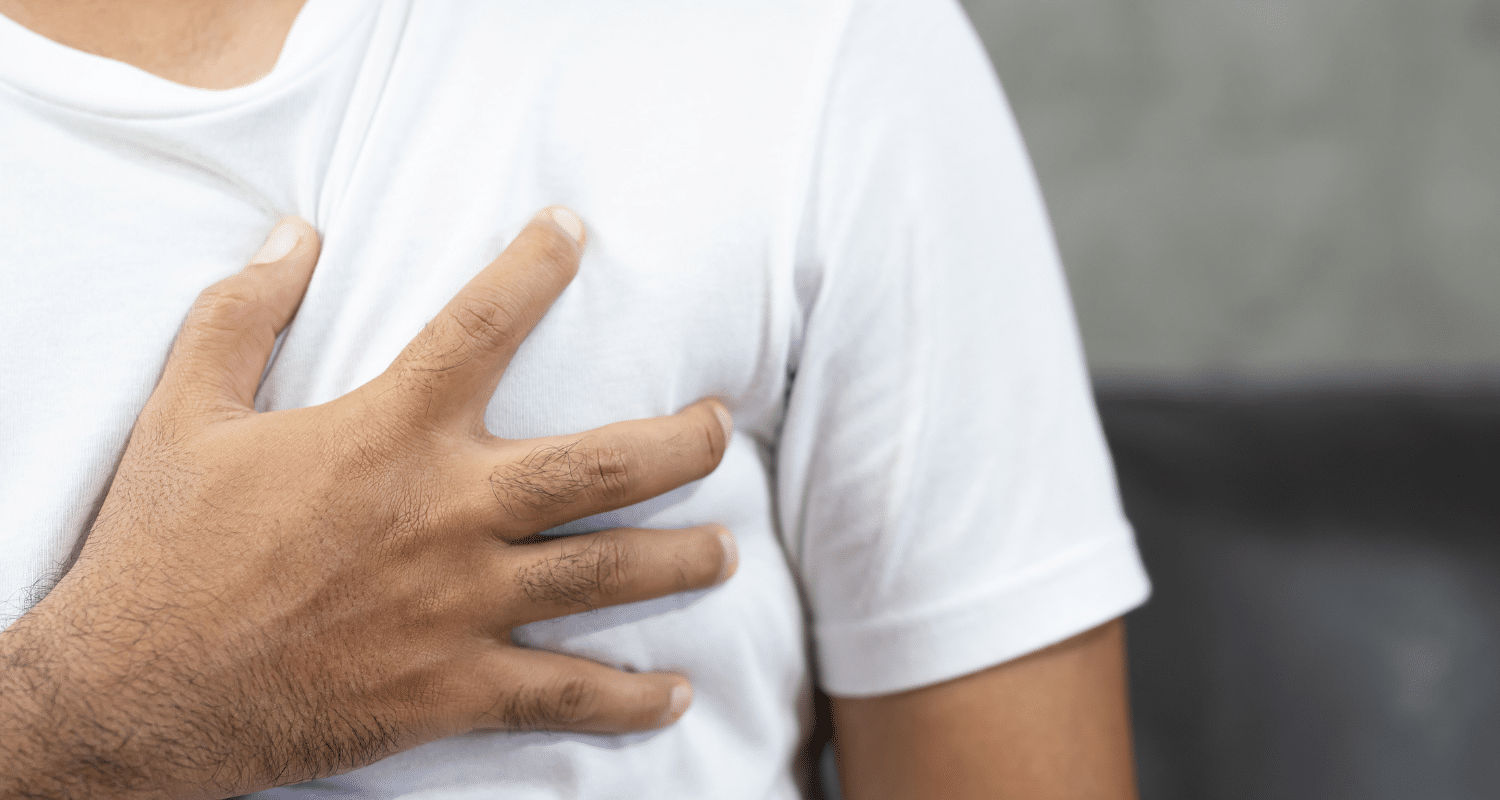
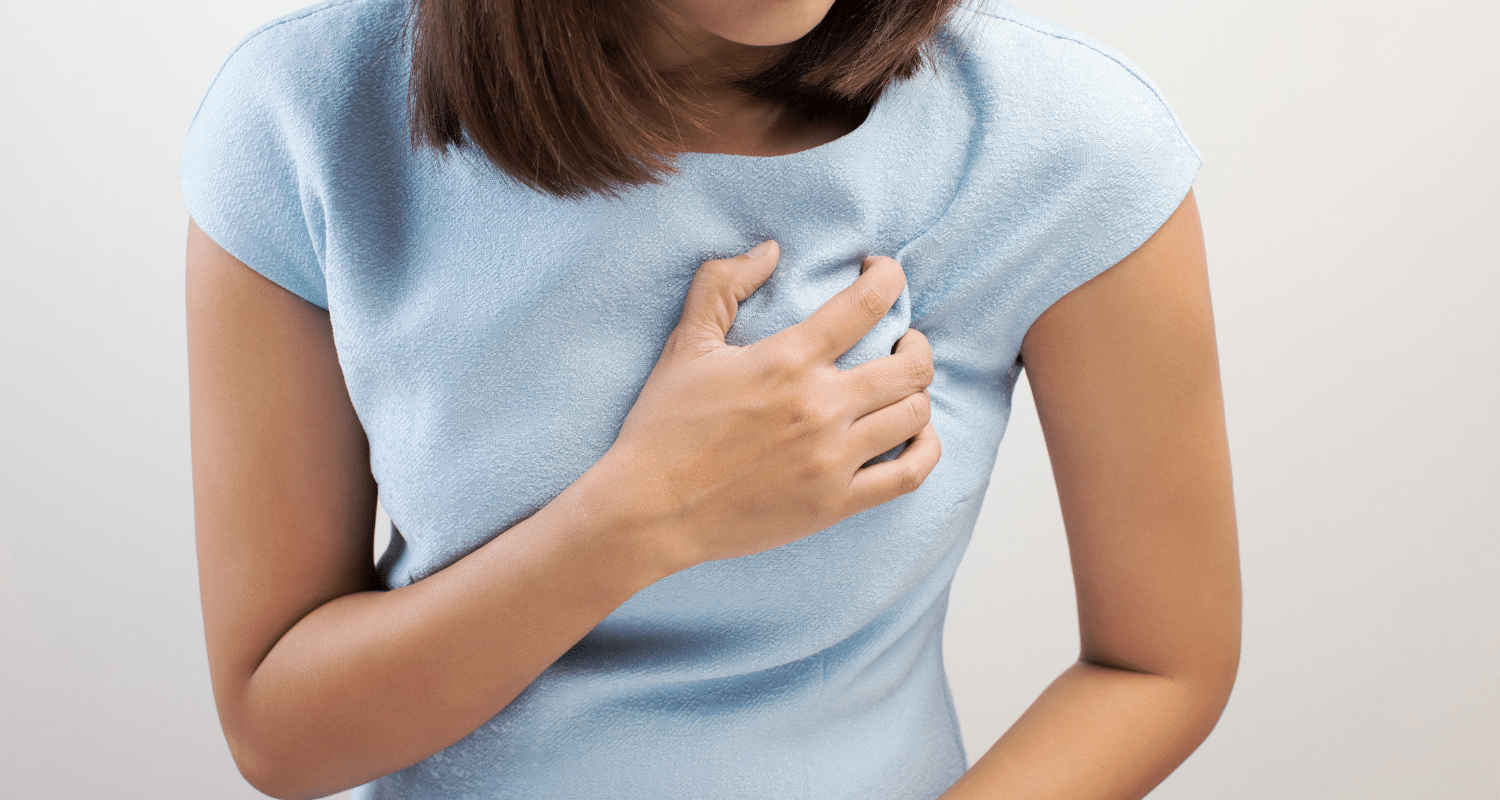
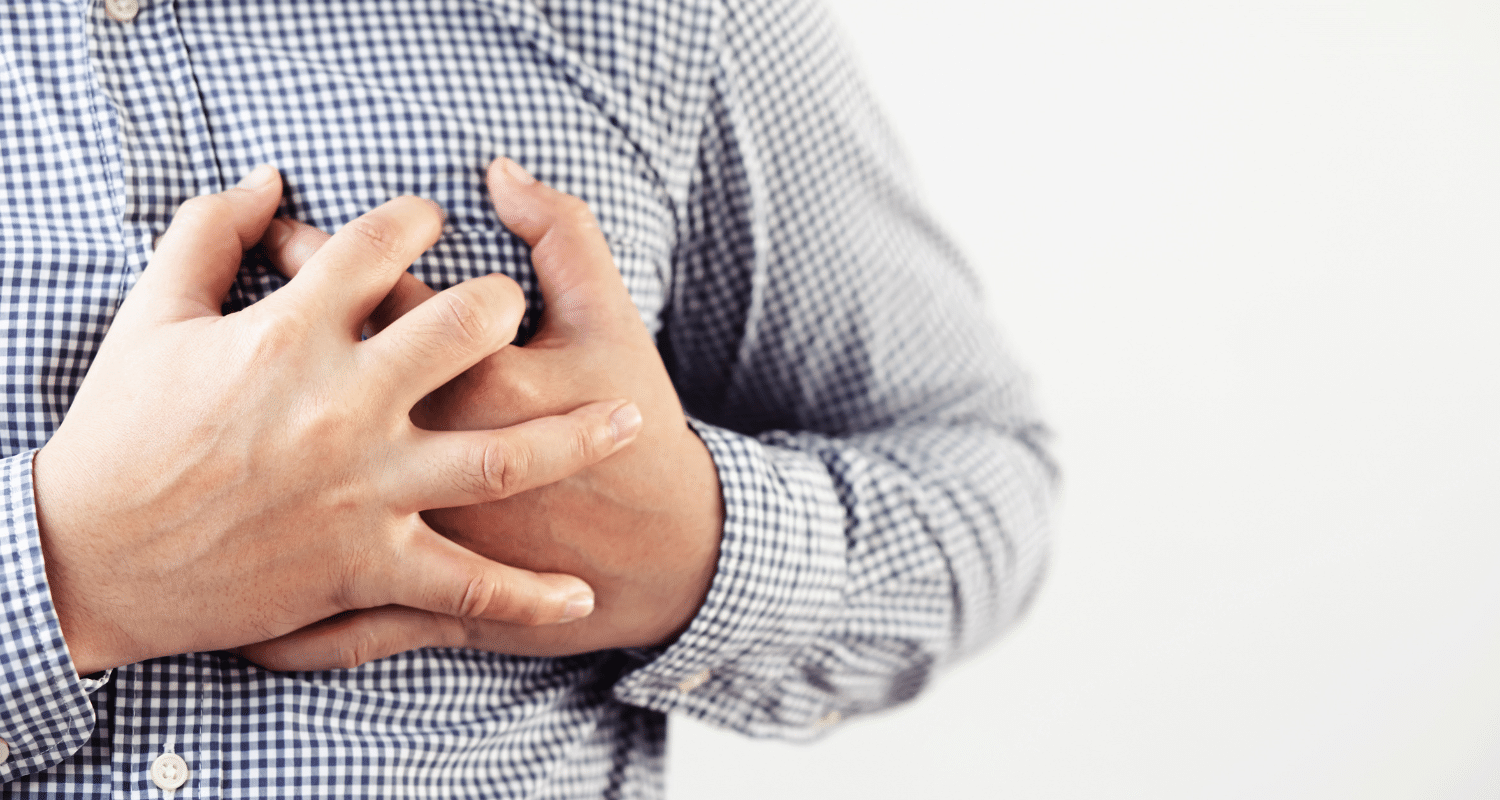
A heart attack is a medical emergency that requires immediate action. Many people ask how to treat a heart attack at home, but nothing replaces professional medical help. It is essential to recognize the signs, such as chest pain, shortness of breath, or sweating. The best place to start is by calling for emergency services as quickly as possible. However, sit or lie down calmly while waiting for help, and consider taking aspirin if a doctor recommends it while you wait. Survival improves with early action and the right response. Long-term prevention depends on healthy eating, regular exercise, and avoiding smoking.
What is a Heart Attack?
A heart attack, or myocardial infarction, occurs when blood flow to the heart muscle is blocked. Without treatment, damage happens quickly. Symptoms, causes, and the proper response to a heart attack are essential information for survival.
Common Symptoms
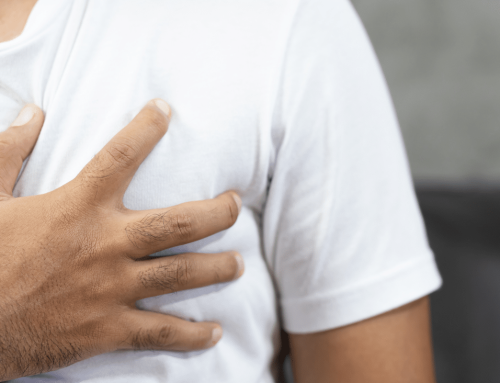
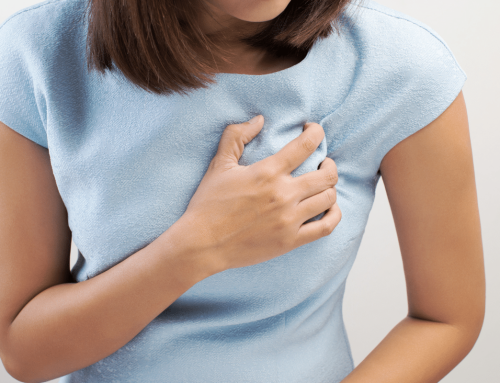
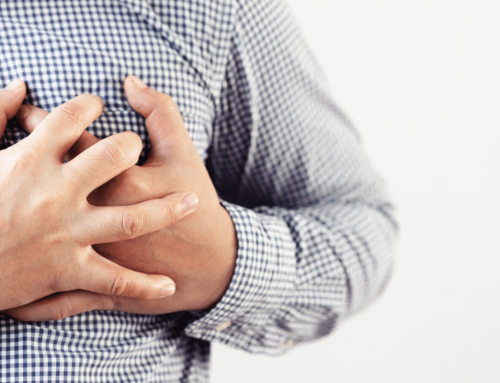
Recognizing early signs improves outcomes. Common symptoms are chest pain, shortness of breath, nausea, sweating, and arm or jaw pain. Unusual fatigue or indigestion may also signal a heart attack.
Causes of Heart Attacks
Plaque buildup in arteries frequently causes heart attacks. This can limit blood flow and lead to the formation of clots. Other contributing factors include high blood pressure, high cholesterol, diabetes, smoking, obesity, and uncontrolled stress. Often, it comes down to lifestyle choices.
Heart Attack Emergency
When it comes to a heart attack, every minute is precious. A real heart attack emergency means seeking medical help right away. Don’t wait to see if symptoms improve, as waiting can result in further heart damage.
Heart Attack Immediate Action
The most important immediate action is calling 911 (or your local emergency number). While you wait, chew aspirin if available and if your doctor has not advised against it. Keep calm, sit or lie down, and make no unnecessary movement until help comes.
Stop Heart Attack Myths
Methods like coughing or drinking water do NOT stop a heart attack; these are myths. Professional care is the only way to properly re-establish the blood supply. Don’t rely on home remedies during a heart attack.
Heart Attack First Aid
Heart attack first aid knowledge saves lives. Lay the person down, check breathing, and be ready to start CPR if needed. If the person falls and stops breathing, start CPR until emergency responders arrive. Prompt cardiac arrest home response is essential.
Heart Attack Relief
True relief comes only from medical treatment that restores blood flow. There is only supportive treatment available at home. Only medications or procedures in a hospital can restore blood flow. And don’t try dangerous home remedies for interventions.
Treatment
In the hospital, treatment could involve clot-dissolving drugs, stents, or surgery. The treatments restore the openings of arteries and shield heart tissue. At home, focus on keeping the person calm, still, and stable until help arrives.

Heart Attack Response
It is essential to recognize the symptoms, make an emergency contact, and then respond appropriately to a heart attack. CPR and the availability of the AED dramatically increase survival rates before reaching medical care.
Chest Pain Emergency
Chest pain not explained should be considered a chest pain emergency. Some people shrug off mild discomfort and delay care. More timely detection enables treatment to be administered more quickly, reducing the likelihood of permanent damage. Treat any unexplained chest pain as a medical emergency and call for help immediately.
Reverse Heart Disease
While the heart attack itself needs immediate attention, long-term lifestyle changes can help reverse the progression of heart disease. Diet, exercise, stress reduction, and quitting smoking all reduce risks. You can’t always undo damage, but you can lower your risk.
Heart Attack Prevention
The best way to stop a heart attack is to prevent one in the first place. Maintain a healthy weight, avoid smoking, manage your blood pressure, and lower your cholesterol; exercise is also beneficial. Prevention decreases the likelihood of having serious incidents at home or elsewhere.
Heart Attack Home Remedies
There are no home remedies to stop an active heart attack—only supportive measures until professionals arrive. However, long-term habits, such as maintaining a healthy diet and engaging in regular exercise, can improve heart health and reduce the overall risk.
Cardiac Arrest Home
Heart attack and cardiac arrest are distinct but related. In cardiac arrest, the heart stops beating altogether. CPR and AEDs can restart the heart until medical help arrives.
Lifestyle Changes After a Heart Attack
After surviving, adopt long-term strategies. Emphasize the importance of maintaining a healthy weight, consuming heart-healthy foods, engaging in moderate physical activity, and practicing effective stress management techniques. Follow your doctor’s advice and join cardiac rehab to recover and lower your future risk.
Identify Warning Signs Early
Unusual exhaustion, chest pressure, or sudden shortness of breath may be signs—don’t dismiss them. The sooner a heart attack is recognized, the faster medical personnel can respond, reducing the risk of complications and increasing the chances of survival.
Diet for Heart Health
A heart-healthy diet rich in fruits, vegetables, whole grains, and lean meats can help strengthen your cardiovascular system. Moderating saturated fats, sugars, and processed foods adds to heart attack prevention and long-term heart protection.
Stress and Heart Attacks
Long-term stress increases blood pressure and damages arterial walls. Relaxation exercises and meditation can help reduce the underlying causes of heart attacks and support overall health.
Exercise and Recovery
Physical exercise also conditions the heart muscle and enhances blood flow. Regular exercise can help reduce cholesterol levels and aid in weight control. Exercise strengthens the heart, but always follow your doctor’s advice before starting after a heart attack.
Sleep and Heart Health
Insufficient sleep raises heart disease risk. Focus on maintaining consistent sleep patterns, avoid consuming stimulants in the late afternoon, and address underlying conditions like sleep apnea. A good night’s rest is essential for preventing and recovering from heart attacks.
Medication and Long-Term Care
Physicians prescribe medication to lower future risks. Following instructions carefully improves outcomes. Drugs can also be used to reduce blood pressure, lower cholesterol levels, or minimize the risk of blood clots forming. Doctors also follow up to help prevent another heart attack by keeping patients on treatment plans.
Education and Awareness
Teaching people about heart attack first aid improves survival rates in the community. Communities are safer when more people know how to administer CPR, recognize symptoms, and react decisively in an emergency. Education is prevention.
Avoiding Risk Factors
Preventing heart attacks means eliminating avoidable risks. Stop smoking, limit drinking alcohol, eat healthy food, and be active. By eliminating these risk factors, the likelihood of sudden cardiac arrest or other cardiac emergencies occurring at home is reduced.
Emergency Kits at Home
Prepared households can act faster. Have some aspirin, the numbers of emergency contacts, and your fully charged phone handy. Taking a CPR class and having access to AEDs could significantly impact whether someone survives a heart attack.
Family Preparedness
Families should discuss emergency plans and be familiar with basic first aid, CPR, and supportive measures until professional help arrives. Common knowledge can offer reassurance and a response when there is an urgency to act.
Conclusion
You can’t stop a heart attack instantly at home, but you can act quickly to improve survival. Being able to identify warning signs, take action promptly, and adopt long-term heart attack prevention strategies is what’s most important. For evidence-based guidance on heart attack care and prevention, reach out to BaleDoneen.
FAQs
How to stop a heart attack if you are alone?
Dial 911 quickly. If aspirin is available, chew it. Then, from a safe location, remain motionless. Stay still and wait for help as there is no way to self-treat.
Can you survive a heart attack without going to the ER?
Survival without emergency treatment is rare, as untreated blockages quickly cause fatal damage. The most effective way to restore circulation and prevent serious complications is through hospital treatment.
How long does a heart attack last?
Symptoms can persist for minutes to hours, depending on the severity. If you have ongoing chest pain or pressure, consider it a chest pain emergency and get immediate help.
How to avoid a heart attack while sleeping?
To reduce risk at night, maintain a healthy weight, avoid late meals, elevate the head of the bed, and treat sleep apnea. Lose weight, eat dinner earlier, control your blood pressure, and elevate your bed if needed. Regular sleep schedules and treating sleep apnea also reduce risk at night.
About the Author: Randy Kembel