Know Your Risk Before It Strikes
Your arteries could be hiding early disease. Find out today.

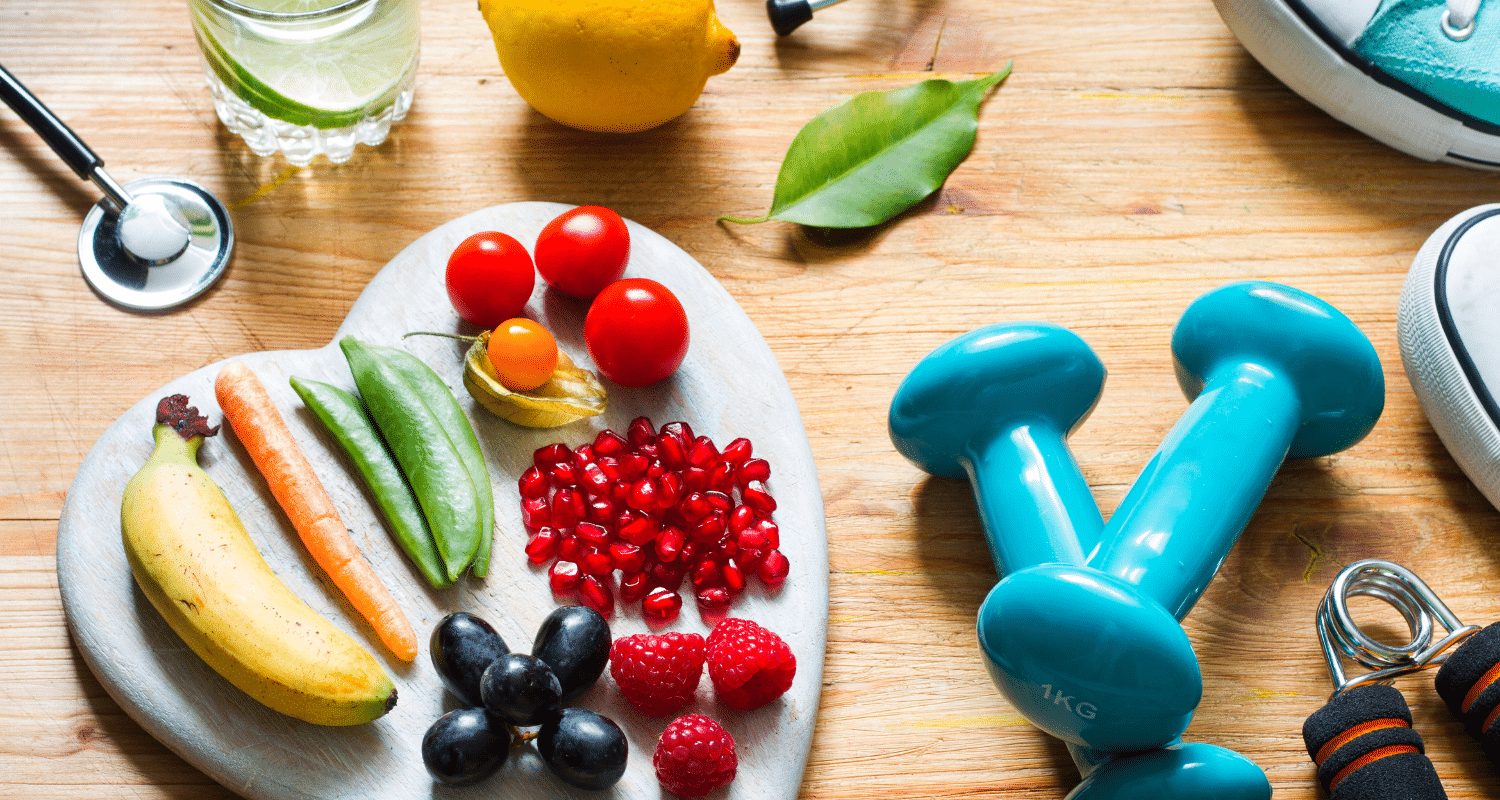
What you eat after a stroke matters more than most people realise. The right foods support brain healing, reduce inflammation, manage blood pressure, and lower your risk of a second stroke. The wrong ones can slow recovery and raise the chance of a recurrence.
This guide gives you a practical list of foods for stroke patients, explains which dietary patterns have the strongest evidence, covers what to avoid, and includes guidance for people who have difficulty swallowing. Always work with your doctor or dietitian to personalise these recommendations. For broader prevention strategies, see our stroke prevention guide.
The Best Dietary Patterns for Stroke Recovery
Two diets consistently come up in the research on stroke recovery and prevention. Both are ranked at the top by the U.S. News and World Report for overall health.
- Mediterranean diet: focuses on olive oil, fatty fish, nuts, seeds, legumes, fruits, vegetables, and whole grains. It lowers LDL cholesterol, reduces arterial inflammation, and supports brain health. A Mass General Brigham dietitian calls it a lifestyle approach linked to reduced stroke risk.
- DASH diet: stands for Dietary Approaches to Stop Hypertension. It prioritises low sodium, high-fiber foods and is particularly useful for stroke patients managing high blood pressure, which is the leading driver of stroke recurrence.
- MIND diet: a hybrid of the two above. It specifically encourages green vegetables, berries, beans, nuts, olive oil, whole grains, fish, and poultry, while limiting red meat, butter, cheese, and pastries. Clinical evidence supports its role in improving stroke recovery outcomes.
Best Foods for Stroke Patients
These foods are backed by clinical evidence for supporting brain recovery, reducing inflammation, and protecting against a second stroke.
Fatty Fish and Healthy Fats
- Salmon and oily fish: rich in omega-3 fatty acids (EPA and DHA) that maintain brain-derived neurotrophic factor (BDNF), a protein that supports new brain cell growth and neuroplasticity after stroke
- Extra-virgin olive oil: raises protective cholesterol (HDL) and lowers heart disease risk. Use it in cooking and dressings in place of butter
- Avocados: rich in oleic acid, which supports cognitive processing speed, and potassium, which helps lower blood pressure
- Nuts and seeds: one small handful per day provides vitamin E, unsaturated fat, and anti-inflammatory compounds. Walnuts, almonds, and flaxseeds are particularly useful
Fruits and Vegetables
- Blueberries: high in flavonoids that boost BDNF, lower cholesterol, and improve cognitive function. Berries of all kinds are recommended
- Citrus fruits: oranges and grapefruit contain flavonoids that protect brain cells, reduce blood vessel stiffness, and lower inflammation
- Tomatoes: contain lycopene, a neuroprotective antioxidant. Add to soups, salads, or casseroles
- Leafy greens: spinach, kale, and chard provide folate, which may reduce stroke risk, and potassium, which supports blood pressure control
- Bananas, kiwi, mango, sweet potato: all high in potassium. The American Heart Association links adequate potassium intake to lower blood pressure and reduced stroke risk
Whole Grains and Legumes
- Oats: contain beta-glucan, a soluble fiber that lowers LDL cholesterol and slows digestion. One of the simplest daily changes available
- Quinoa: a complete protein containing all essential amino acids. High in fiber and lower in glycaemic impact than refined grains
- Beans, lentils, chickpeas: rich in soluble fiber, potassium, magnesium, and plant protein. Magnesium provides neuroprotective benefits and helps manage blood pressure
Other Beneficial Foods
- Eggs: soft, easy to prepare in many ways, and a strong protein source. Research suggests one egg per day may reduce stroke risk by up to 12 percent
- Greek yogurt: high in calcium, protein, and probiotics. A soft option for patients with chewing or swallowing difficulties
- Green tea: a study from the American Heart Association found that several cups of green tea daily was linked to a 62 percent lower risk of death in stroke survivors. Only appropriate for patients without high blood pressure issues

Foods to Avoid After a Stroke
Certain foods actively work against recovery. They raise blood pressure, increase clotting risk, promote inflammation, and reduce the brain’s ability to form new connections.
- High-sodium foods: processed meals, canned soups, packaged snacks, and restaurant food are the main sources of excess sodium. Stay below 2,300mg per day. If you have high blood pressure or diabetes, aim for 1,500mg or less
- Added sugars: soft drinks, sweet baked goods, and packaged sauces spike blood glucose and damage blood vessel walls. The AHA recommends no more than 24g per day for women and 32g for men
- Saturated and trans fats: found in red meat, butter, full-fat dairy, fried food, and fast food. These raise LDL cholesterol and reduce BDNF production, slowing brain recovery
- Processed meats: bacon, sausage, and deli meats are high in sodium and saturated fat and are linked to increased cardiovascular inflammation
- Alcohol: raises blood pressure and increases recurrence risk. Speak with your doctor about whether any alcohol is safe for you specifically
Eating Safely With Swallowing Difficulties (Dysphagia)
Dysphagia affects many stroke survivors and makes eating both harder and riskier. A speech pathologist should assess your swallowing before you make changes to food texture on your own.
General guidance for patients with dysphagia:
- Eat smaller meals more frequently throughout the day rather than large ones
- Chew slowly and sit upright during all meals to reduce choking risk
- Soft foods that work well include eggs, Greek yogurt, oatmeal, mashed sweet potato, avocado, soft fish, and pureed legumes
- Avoid raw hard vegetables, tough meats, crunchy cereals, and dry bread
- Drink plenty of water throughout the day to stay hydrated
Your speech pathologist can recommend the right texture level for your stage of recovery. Your dietitian can then make sure you are getting enough calories, protein, and key nutrients within those texture limits.
Recovery Starts With Understanding Your Full Cardiovascular Risk
Diet is one important part of stroke recovery. The Baledoneen Method combines advanced cardiovascular testing with a full review of your arterial health, inflammation levels, blood pressure, cholesterol subtypes, and genetic risk to help prevent a second stroke before it happens.
>>> Learn About the Baledoneen Method
Frequently Asked Questions
What are the best foods for stroke recovery?
Fatty fish, blueberries, leafy greens, avocados, olive oil, oats, legumes, and eggs are among the most evidence-backed foods for stroke recovery. They support brain healing through omega-3 fatty acids, antioxidants, fiber, and nutrients like potassium and folate that protect blood vessel health.
How do the Mediterranean and DASH diets help after a stroke?
The Mediterranean diet reduces arterial inflammation, lowers LDL cholesterol, and supports brain health through healthy fats and plant-based foods. The DASH diet focuses specifically on reducing sodium and blood pressure, which is the most important modifiable risk factor for stroke recurrence.
Which foods should stroke patients strictly avoid?
Stroke patients should avoid high-sodium processed foods, added sugars, saturated and trans fats, processed meats, and alcohol. These foods raise blood pressure, promote clotting, increase inflammation, and reduce the brain’s ability to form new connections during recovery.
How should I manage my diet if I have swallowing difficulties?
Work with a speech pathologist to determine the right food texture for your stage of recovery. Soft options like eggs, Greek yogurt, oatmeal, mashed avocado, and pureed legumes provide strong nutrition while being safer to swallow. A dietitian can ensure you are meeting your calorie and protein needs within those limits.
Can diet help prevent a second stroke?
Yes. Diet directly affects blood pressure, cholesterol, blood sugar, weight, and arterial inflammation, all of which determine recurrence risk. Consistently eating a diet similar to the Mediterranean or DASH pattern is associated with significantly lower rates of second stroke in survivors.
Medical Disclaimer: This article is for educational purposes only. It is not a substitute for professional medical or nutritional advice. Always consult your doctor, dietitian, or speech pathologist before changing your diet after a stroke.
Key Sources
Mass General Brigham: Foods That Help Prevent Stroke
About the Author: Christine Cooper