Know Your Risk Before It Strikes
Your arteries could be hiding early disease. Find out today.

Heart disease is still the leading cause of death worldwide. For years, cholesterol was treated as the main number to watch. But that’s only part of the story.
Inflammation also plays a role in how plaque develops and becomes unstable inside your arteries. Because of this, doctors may check both cholesterol and high sensitivity CRP, also called hs-CRP, when evaluating cardiovascular risk.
Here’s the short answer. A cholesterol test measures fats and cholesterol-carrying particles in your blood. A CRP test measures inflammation, which may be linked to unstable plaque and a higher risk of cardiovascular events. Neither test replaces the other, and both must be considered alongside your medical history and other risk factors.
What Is a Cholesterol Test?
A cholesterol test, often called a lipid panel, checks several types of fat in your blood.
- Total cholesterol: the combined amount of all cholesterol types in your blood.
- LDL cholesterol: often called bad cholesterol. It carries cholesterol into your artery walls.
- HDL cholesterol: often called good cholesterol. It helps carry cholesterol away from your arteries.
- Triglycerides: a type of fat linked to diet, weight, and metabolic health.
- Non HDL cholesterol: an optional number some doctors calculate to get a broader risk picture.
High LDL levels are linked to plaque buildup in your arteries. Over time, this buildup can restrict blood flow and raise your risk of a heart attack or stroke. You can learn more about this process in our guide on cholesterol management.
Cholesterol numbers are useful, but they don’t tell the whole story. Some people have cholesterol levels within the standard range and still develop heart disease. That’s where inflammation testing may provide more information.
What Is a CRP Test?
CRP stands for C-reactive protein. Your liver produces this protein in response to inflammation in the body.
A standard CRP test detects higher levels of inflammation that may be related to an infection, injury, or inflammatory condition. A high sensitivity CRP test, or hs-CRP, detects lower CRP levels and may provide additional information about cardiovascular risk.
Chronic inflammation is associated with atherosclerosis and may contribute to plaque becoming unstable. However, hs-CRP doesn’t show where inflammation is coming from or confirm that unstable plaque is present.
Current ACC/AHA guidance identifies hs-CRP as one of several markers that may be used to refine a person’s cardiovascular risk when appropriate. It isn’t a routine screening test for everyone, and the result should be considered alongside cholesterol, blood pressure, blood sugar, family history, and other risk factors.
CRP Test vs Cholesterol Test
Here is a side by side look at how these two tests compare.
| Category | Cholesterol Test | CRP (hs-CRP) Test |
| Purpose | Measures fat levels in blood | Measures inflammation in the body |
| What it detects | Plaque forming material | Plaque instability and inflammation |
| Disease process | Atherosclerosis, artery narrowing | Chronic low grade inflammation |
| Best use | Routine screening, risk tracking | Added risk detail, especially with normal cholesterol |
| Test method | Blood draw, often fasting | Simple blood draw, no fasting needed |
| Preparation | Fasting for 9 to 12 hours in most cases | None required |
| Typical cost | Often covered by insurance | $65 alone, more as part of a full panel |
| Insurance coverage | Usually covered as routine screening | Limited, often only for specific risk situations |
| Main limitation | Does not measure inflammation | Not specific to heart disease alone |
Which Test Better Predicts Heart Disease?
This question doesn’t have one simple answer. Some studies have found that hs-CRP is strongly associated with future cardiovascular events, even among people whose LDL cholesterol isn’t elevated.
Still, that doesn’t make hs-CRP more important than cholesterol. The tests measure different factors. LDL is directly involved in the development of atherosclerosis, while hs-CRP is a marker of inflammation that may help identify risk that isn’t explained by cholesterol alone.
This may be especially useful for people whose risk remains uncertain after their standard risk factors are reviewed. Someone can have LDL cholesterol within the recommended range and still have other concerns, including inflammation, high blood pressure, diabetes, kidney disease, smoking history, or elevated Lipoprotein(a).
The best assessment considers several markers together instead of relying on one test result.
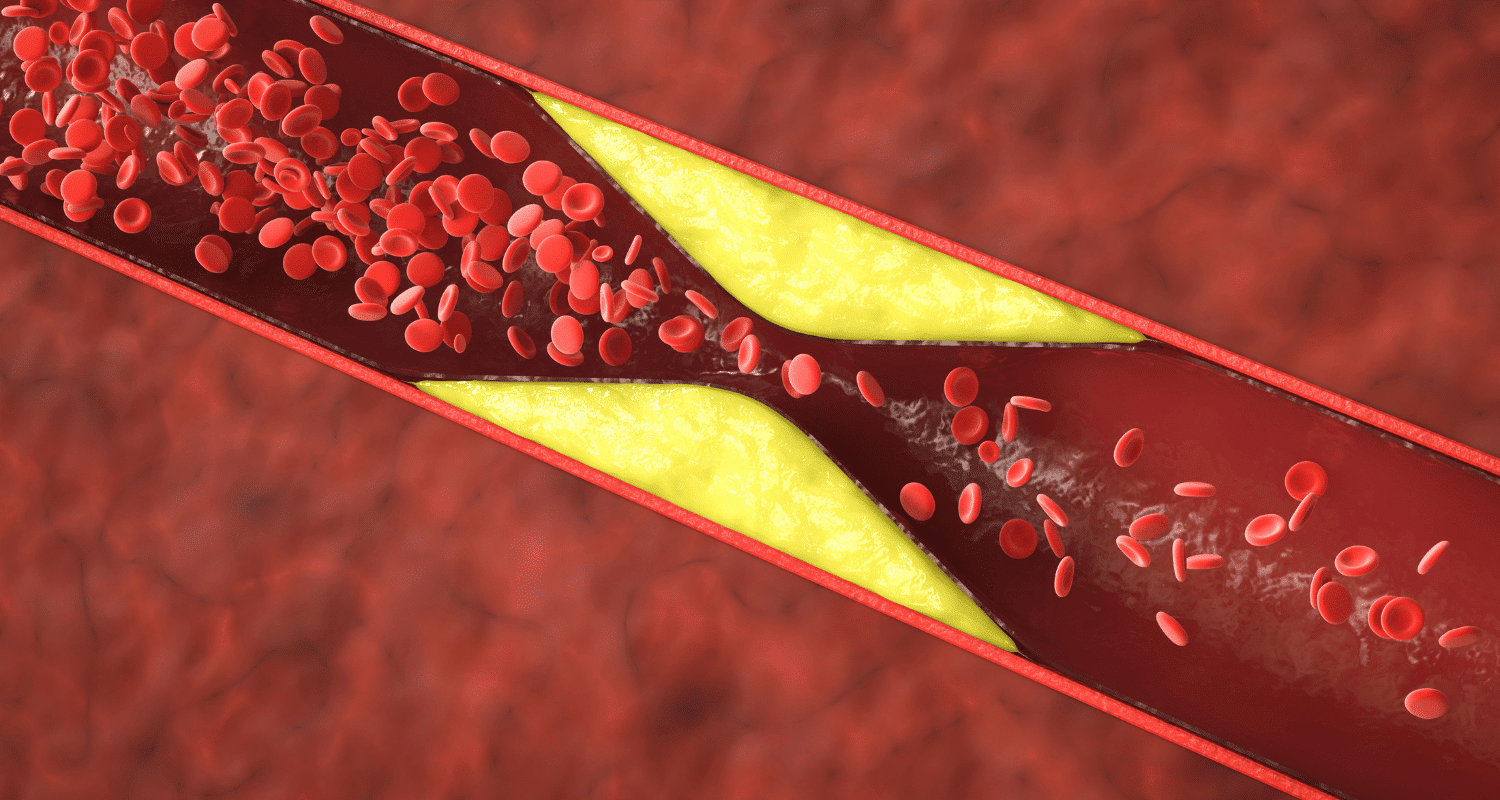
How Cholesterol Causes Heart Disease
LDL particles can enter the walls of your arteries. This can trigger inflammation and contribute to the buildup of cholesterol, inflammatory cells, calcium, and other material known as plaque.
Over time, plaque can grow and narrow an artery. If a plaque ruptures, a blood clot may form at the site. That clot can suddenly restrict or block blood flow, potentially causing a heart attack or stroke.
This process, called atherosclerosis, usually builds quietly for years before anyone feels symptoms. That is part of why early testing through tools like CIMT ultrasound or a coronary calcium score matters so much.
How Inflammation Increases Heart Disease Risk
Inflammation is your body’s normal response to an injury or infection. But chronic inflammation can contribute to problems within the artery walls.
Inflammatory activity may weaken the fibrous cap covering certain plaques. If that cap ruptures, a blood clot can form at the site and suddenly restrict blood flow.
Several conditions and behaviors are associated with higher inflammation levels, including:
- Type 2 diabetes and insulin resistance
- Obesity
- Smoking, which raises inflammation throughout the body
- Autoimmune conditions
- Ongoing or repeated infections
If you have one of these risk factors, your doctor may consider inflammation testing as part of a wider evaluation. An elevated hs-CRP result can’t identify the cause of inflammation on its own.
Understanding Cholesterol Test Results
Here’s a general guide to commonly used cholesterol ranges. Your recommended levels may be lower if you have cardiovascular disease, diabetes, or other major risk factors.
| Marker | Desirable | Borderline | High |
| Total Cholesterol | Below 200 mg/dL | 200 to 239 mg/dL | 240 mg/dL and above |
| LDL Cholesterol | Below 100 mg/dL | 100 to 159 mg/dL | 160 mg/dL and above |
| HDL Cholesterol | Above 60 mg/dL | 40 to 59 mg/dL | Below 40 mg/dL is low |
| Triglycerides | Below 150 mg/dL | 150 to 199 mg/dL | 200 mg/dL and above |
Higher LDL and triglyceride levels are generally associated with greater cardiovascular risk. HDL provides additional information, but it shouldn’t be interpreted as protection against high LDL or other risk factors. You can read more about how these numbers work together in our LDL and HDL guide.
Understanding hs-CRP Results
hs-CRP results are often grouped into general cardiovascular risk categories.
| hs-CRP Level | Risk Category |
| Below 1 mg/L | Low risk |
| 1 to 3 mg/L | Average risk |
| Above 3 mg/L | High risk |
These categories don’t diagnose cardiovascular disease. Infections, injuries, chronic inflammatory conditions, and recent strenuous exercise can temporarily raise CRP. A result above 10 mg/L may point to an active source of inflammation and is usually evaluated separately from cardiovascular risk.
Because CRP levels can change, your doctor may repeat the test when you’re well before using the result to guide treatment. You can learn more in our inflammation biomarkers guide.
When Doctors Recommend Each Test
Cholesterol testing is usually recommended for:
- Routine yearly screening for most adults
- People with diabetes
- People with high blood pressure
- Anyone with a family history of heart disease
- People who are overweight or obese
hs-CRP testing is often added for:
- People at intermediate cardiovascular risk
- People with a strong family history of heart disease
- Patients with normal cholesterol but other concerning risk signs
- Preventive cardiology evaluations
- Ongoing monitoring of inflammation over time
Can You Have Normal Cholesterol but High Heart Disease Risk?
Yes, and this happens more often than people expect. Someone can have a completely normal lipid panel and still carry meaningful risk from other sources.
This can happen with:
- Elevated hs-CRP levels
- A strong family history of early heart disease
- A history of smoking
- Diabetes or insulin resistance
- Metabolic syndrome
- Chronic, low grade inflammation from another condition
This is exactly why relying on cholesterol alone can miss some people who need closer attention. Adding hs-CRP, along with other markers like Lipoprotein(a), often reveals hidden risk that a basic lipid panel cannot catch on its own.
Which Test Should You Get?
The right combination of tests depends on your personal situation. Here is a simple guide.
| Situation | Recommended Testing |
| Annual routine screening | Standard cholesterol panel |
| Family history of heart disease | Cholesterol plus hs-CRP, and consider Lp(a) |
| Already diagnosed with high cholesterol | Cholesterol panel, repeated regularly |
| Autoimmune disease | hs-CRP, along with routine cholesterol |
| Prior heart attack | Both tests, plus advanced markers as advised |
| General preventive checkup | Cholesterol plus hs-CRP for a fuller picture |
Always talk with your healthcare provider about which tests fit your personal risk factors and history.
Other Heart Disease Risk Tests
Cholesterol and CRP are only part of a complete risk picture. Other tests your doctor may suggest include:
- ApoB, which some experts consider more accurate than LDL alone for tracking artery damaging particles. See our advanced testing guide for more detail.
- Lipoprotein(a), a genetic marker that raises risk independent of lifestyle. Learn more in our Lipoprotein(a) guide.
- Coronary artery calcium score, a CT based test that looks for calcium deposits in your heart arteries. Read more about the calcium score test.
- CIMT testing, an ultrasound that checks your carotid artery wall for early signs of plaque. See our full CIMT testing guide.
- Blood pressure, blood glucose, and HbA1c, which round out a full cardiovascular risk profile.
Each of these adds a different piece to the puzzle. None of them replaces the others completely.
How to Lower Cholesterol and CRP Naturally
To lower cholesterol:
- Follow a Mediterranean style eating pattern, rich in vegetables, fish, and healthy fats. Read more in our anti inflammatory nutrition guide.
- Exercise regularly, aiming for at least 30 minutes most days.
- Maintain a healthy weight through diet and activity.
- Add more fiber to your meals, including oats, beans, and vegetables.
- Choose healthy fats like olive oil, nuts, and avocado over saturated fats.
- Take cholesterol medication exactly as your doctor prescribes, if you need it.
To lower CRP and inflammation:
- Eat an anti inflammatory diet, similar to Mediterranean or DASH style eating.
- Quit smoking, since it is one of the biggest drivers of chronic inflammation. Learn more about nicotine and heart risk.
- Improve your sleep habits and aim for consistent rest each night.
- Manage stress through activities like walking, breathing exercises, or time outdoors.
- Stay physically active on a regular basis.
- Keep blood sugar under control if you have diabetes or insulin resistance.
Statins are worth mentioning here too. They lower both LDL and hs-CRP at the same time, which is part of why they remain such a common first step for many patients.
Frequently Asked Questions
Is CRP more important than cholesterol?
Neither test is more important on its own. They measure different parts of your risk, and doctors use both for a complete picture.
Can high CRP predict a heart attack?
Yes, elevated hs-CRP is linked to a higher risk of heart attack, especially in people whose cholesterol already looks normal.
Should I get both CRP and cholesterol tests?
For many adults, especially those with a family history or other risk factors, getting both gives a more complete risk picture.
Can CRP be high without heart disease?
Yes. Infections, injuries, obesity, and smoking can all raise CRP levels without heart disease being present.
What is a normal hs-CRP level?
Below 1 mg/L is considered low risk. Above 3 mg/L is considered high risk.
Can cholesterol be normal while CRP is elevated?
Yes, this combination is fairly common and is one reason doctors now recommend checking both markers.
How often should these tests be repeated?
Most adults get a cholesterol panel yearly. hs-CRP is often repeated to confirm a pattern, especially if the first result is high.
Which blood test best predicts heart disease?
No single test tells the whole story. Cholesterol, hs-CRP, and other markers like Lp(a) work best when reviewed together with your full health history.
About the Author: Christine Cooper