Know Your Risk Before It Strikes
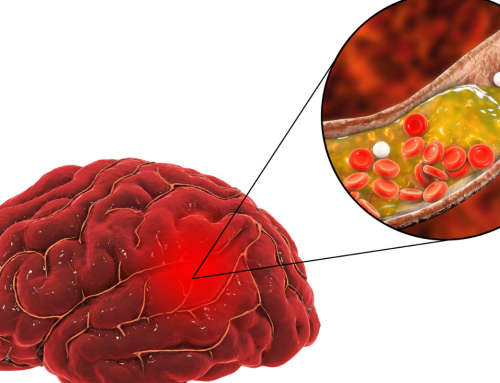
Your arteries could be hiding early disease. Find out today.
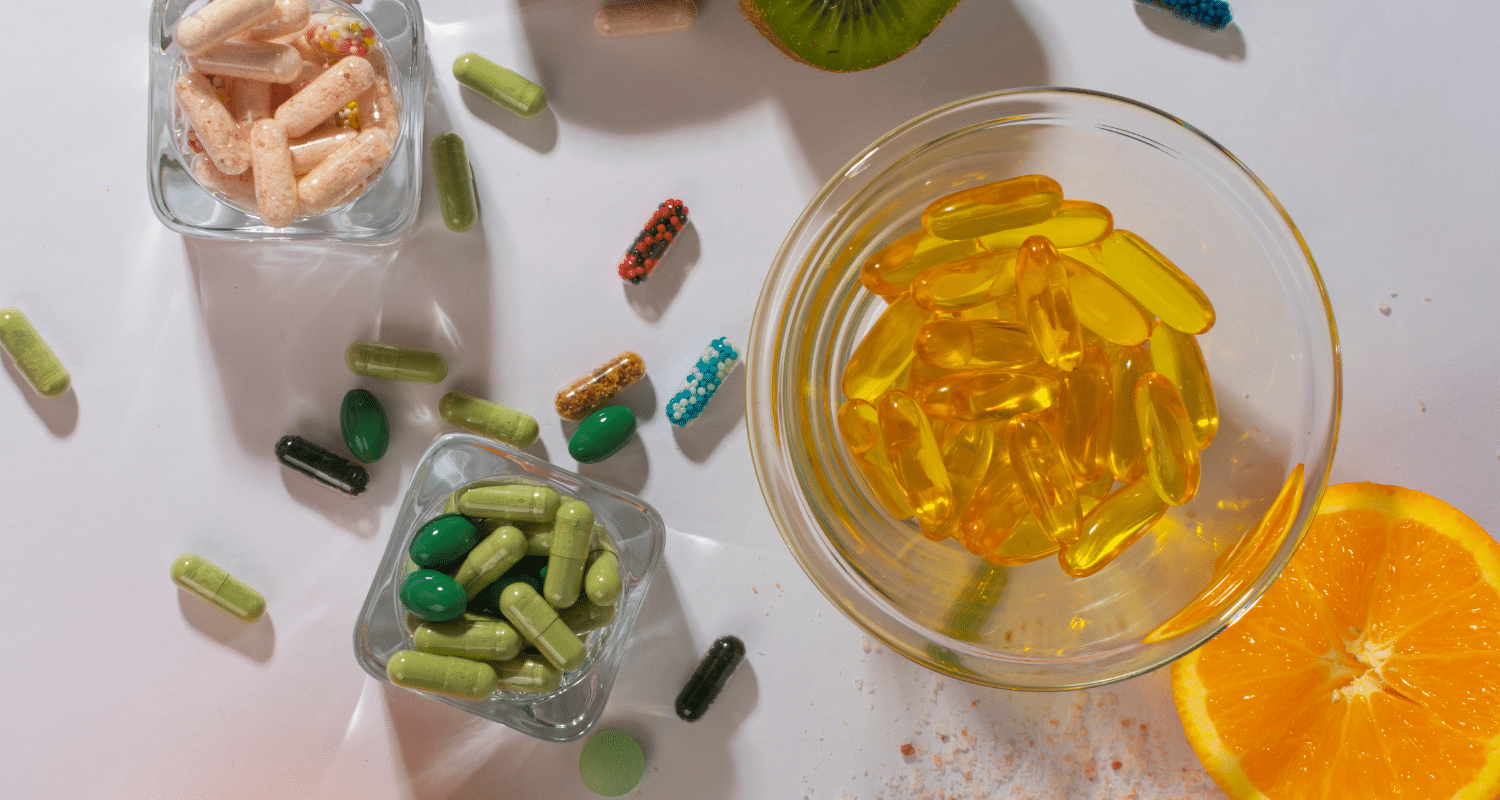
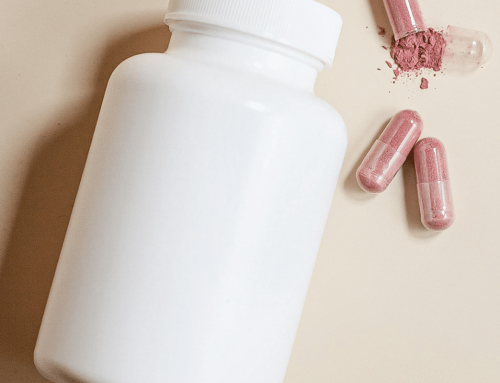
Several nutrients help your heart work well. B vitamins, vitamin D, magnesium, and potassium are the main ones. Your body needs them every day. But taking them as pills has not been shown to prevent heart disease in most people. Food comes first, and supplements make sense only when a real gap exists.
This content is for informational purposes only and is not medical advice. Do not start, stop, or change any supplement or heart medicine without talking to your doctor first. At BaleDoneen, supplements are treated as a small piece of a bigger plan, never a replacement for testing and treatment.
What Vitamins Are Good for Your Heart?
Your heart needs a steady supply of vitamins and minerals to beat, relax, and keep blood vessels flexible. A shortage of any of them can cause trouble. That is very different from taking extra when you already have enough.
Large trials have tested vitamin pills in people with normal diets. Most found no drop in heart attacks or strokes. Good food gives you nutrients along with fiber and healthy fats that a pill cannot copy. The way we think about supplements for heart health starts with food and testing.
Here is a quick comparison.
| Nutrient | What it does | Food sources | Evidence limits |
| B6, B12, folate | Break down homocysteine | Leafy greens, beans, fish, eggs | Lower homocysteine, but no clear drop in heart attacks |
| Vitamin D | Supports bones and muscle | Fatty fish, fortified milk, sun | Pills have not lowered heart risk in trials |
| Magnesium | Helps heart rhythm and blood pressure | Nuts, seeds, whole grains | Caution with kidney disease |
| Potassium | Balances sodium and blood pressure | Bananas, beans, potatoes | Can be risky with kidney disease or some medicines |
Essential Vitamins and Minerals for Heart Health
B Vitamins (B6, B12, and Folate)
These vitamins help your body clear homocysteine, an amino acid that can harm blood vessel walls when it runs high. Folic acid pills do lower homocysteine. Still, big trials did not show fewer heart attacks. One large Chinese trial did show fewer strokes in people with high blood pressure who took folic acid. That country does not add folic acid to food, so the result may not apply elsewhere. Doctors often check homocysteine and artery health markers when risk is unclear.
Vitamin D and Cardiovascular Health
People with low vitamin D have more heart attacks and strokes. But when researchers gave vitamin D pills to thousands of people, heart risk did not drop. Low levels may simply signal poor general health. A blood test can tell you if you are low. Research on vitamin D and cardiovascular disease and on vitamin D deficiency and heart risk shows the same mixed picture.
Magnesium and Heart Function
Low magnesium links to higher blood pressure and rhythm problems. Most people get enough from nuts, seeds, beans, and whole grains. Supplements can help some people, but your kidneys clear magnesium. If your kidneys work poorly, extra magnesium can build up. Forms and safety limits are worth checking before you pick the best magnesium for heart health.
Potassium, Calcium, and Electrolyte Balance
Potassium helps offset sodium and can lower blood pressure. The American Heart Association suggests about 2,600 mg a day for women and 3,400 mg for men. Most people fall short, and food is the safest fix. Potassium pills can be dangerous if you have kidney disease or take certain blood pressure medicines.
Which Supplements Have Evidence for Heart Health?
Omega 3 Fatty Acids and Triglycerides
Prescription strength omega 3 lowers very high triglycerides by 30 to 50 percent. Store bought fish oil has weaker proof. Some studies link high dose fish oil to atrial fibrillation. Check the facts on fish oil for heart health before you buy.
CoQ10 and Heart Failure
Your body makes CoQ10, and heart cells use it for energy. Some studies show it may ease heart failure symptoms. Later reviews found the benefit unclear. It can also affect warfarin, so ask your doctor first.
Soluble Fiber and LDL Cholesterol
Psyllium fiber can lower LDL by around 6 percent. That is small, but it adds to what a statin does. Drink plenty of water with it.
Multivitamins and Red Yeast Rice
A daily multivitamin did not lower heart attacks or strokes in a large study of male doctors. Red yeast rice acts like a weak statin. It can cause the same muscle side effects, and some products contain citrinin, a kidney toxin. Quality varies a lot because the FDA does not review supplements the way it reviews drugs.
Best Vitamins for Specific Cardiovascular Concerns
Vitamins and Nutrients for Blood Pressure
Potassium and magnesium from food help most. Cutting sodium helps more than any pill. Safe targets and treatment for blood pressure depend on your own numbers.
Supplements for High Cholesterol
Psyllium is the best supported option. Plant sterols lower LDL by about 10 percent, yet long term heart outcome data are missing. Do not use red yeast rice instead of a statin. If statins bother you, ask about other medicines for statin intolerance. Good cholesterol management still comes first.
Vitamins for Blood Circulation
No vitamin has been proven to improve circulation in healthy people. Walking, quitting smoking, and controlling blood pressure protect the lining of your arteries far better. Poor artery lining function, called endothelial dysfunction, is the real target here.
Nutritional Support for Heart Failure
People with heart failure often need less salt and careful fluid limits. Some may benefit from CoQ10 or omega 3 under a doctor’s care. Never replace heart failure medicines with supplements. Treatment for heart failure always starts with prescribed care.
Heart Healthy Foods and Dietary Patterns
Foods Rich in Essential Nutrients
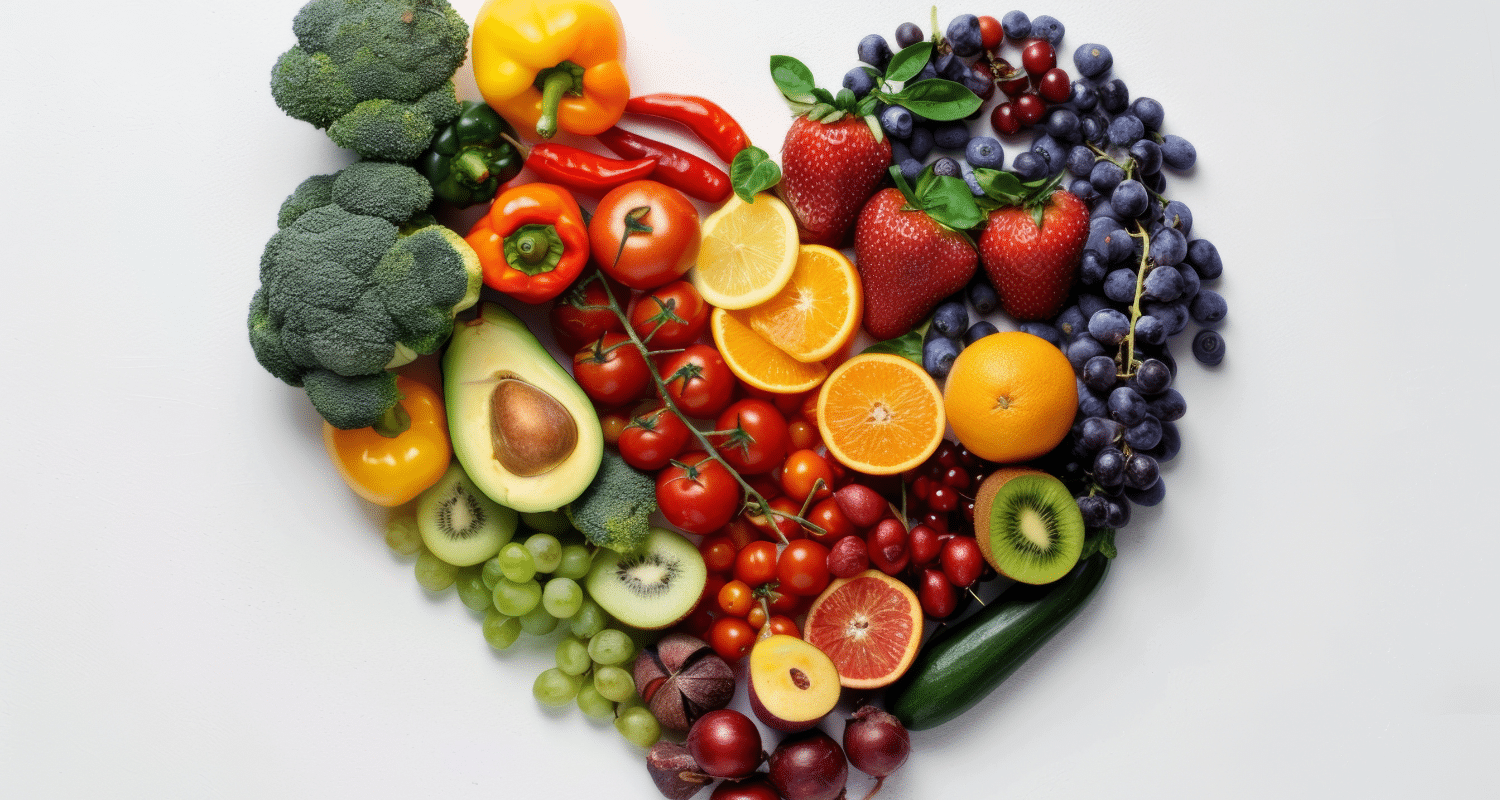
Leafy greens give folate and magnesium. Beans give potassium and fiber. Salmon and sardines give omega 3 and vitamin D. Nuts give magnesium and healthy fats. Picking the best nuts for heart health is an easy start.
Whole Foods Versus Supplements
Studies of Mediterranean eating patterns show real drops in heart events. Pills in trials mostly do not. A plan built on anti inflammatory nutrition and on preventing a heart attack with food is a good base.
Supplement Safety, Dosage, and Medicine Interactions
Can Heart Supplements Interact With Medicines?
Yes. Vitamin K can weaken warfarin. CoQ10 may do the same. Garlic and fish oil can raise bleeding risk. Potassium can clash with some blood pressure drugs. If you take a blood thinner, check how blood thinners and stroke prevention plans work with supplements.
What to Know Before Taking Heart Vitamins
- Get blood tests first if you suspect a shortage.
- Tell every doctor and pharmacist what you take.
- Stop and call your doctor if you feel new symptoms.
- Skip high dose vitamin E, beta carotene, and niacin. Trials linked them to harm.
How to Choose Quality Supplements
Look for USP or NSF marks. Check that the label lists amounts per serving. Avoid products that promise to clear arteries or cure heart disease. Claims about vitamins to prevent stroke and heart attack often fall apart under review.
Frequently Asked Questions
What vitamins are good for your heart?
B vitamins, vitamin D, magnesium, and potassium all support heart function. Get them from food first.
Which multivitamin is best for heart health?
No multivitamin has been proven to prevent heart disease. Choosing the best multivitamin for heart health should still come after food.
What vitamins help lower blood pressure?
Potassium and magnesium help some people. Salt reduction helps more.
Can vitamin D prevent heart disease?
Trials say no. Test your level and treat a true shortage.
Do B vitamins protect the heart?
They lower homocysteine but have not clearly cut heart attacks.
Is fish oil good for heart health?
It helps high triglycerides at prescription doses. Over the counter proof is weaker.
Key Takeaways
Your heart needs certain nutrients, and food is the best source. Supplements help only when a test shows a gap or a doctor advises one. Do not use them to replace medicine. If you worry about your heart, ask about a full risk check, including cholesterol and blood pressure.
About the Author: Christine Cooper