Know Your Risk Before It Strikes
Your arteries could be hiding early disease. Find out today.
You can lower your risk of an ischemic stroke by controlling blood pressure, cholesterol, blood sugar, and heart rhythm problems. Quitting tobacco, moving more, and eating well also help. No plan removes risk completely. But most of the big risk factors can be treated.
This content is for informational purposes only and is not medical advice. Blood thinners, statins, and blood pressure medicines can save your life, so never stop or change them without talking to your doctor first. If you think someone is having a stroke, call emergency services right away.
Quick Prevention Checklist
- Check your blood pressure often and treat it if it runs high.
- Ask for a cholesterol test and know your LDL number.
- Get screened for diabetes and prediabetes.
- Ask your doctor about atrial fibrillation, especially after age 65.
- Do not smoke or vape.
- Move your body at least 150 minutes each week.
- Eat more vegetables, beans, fish, nuts, and whole grains.
- Limit alcohol and salt.
- Take prescribed medicines every day.
What Is an Ischemic Stroke?
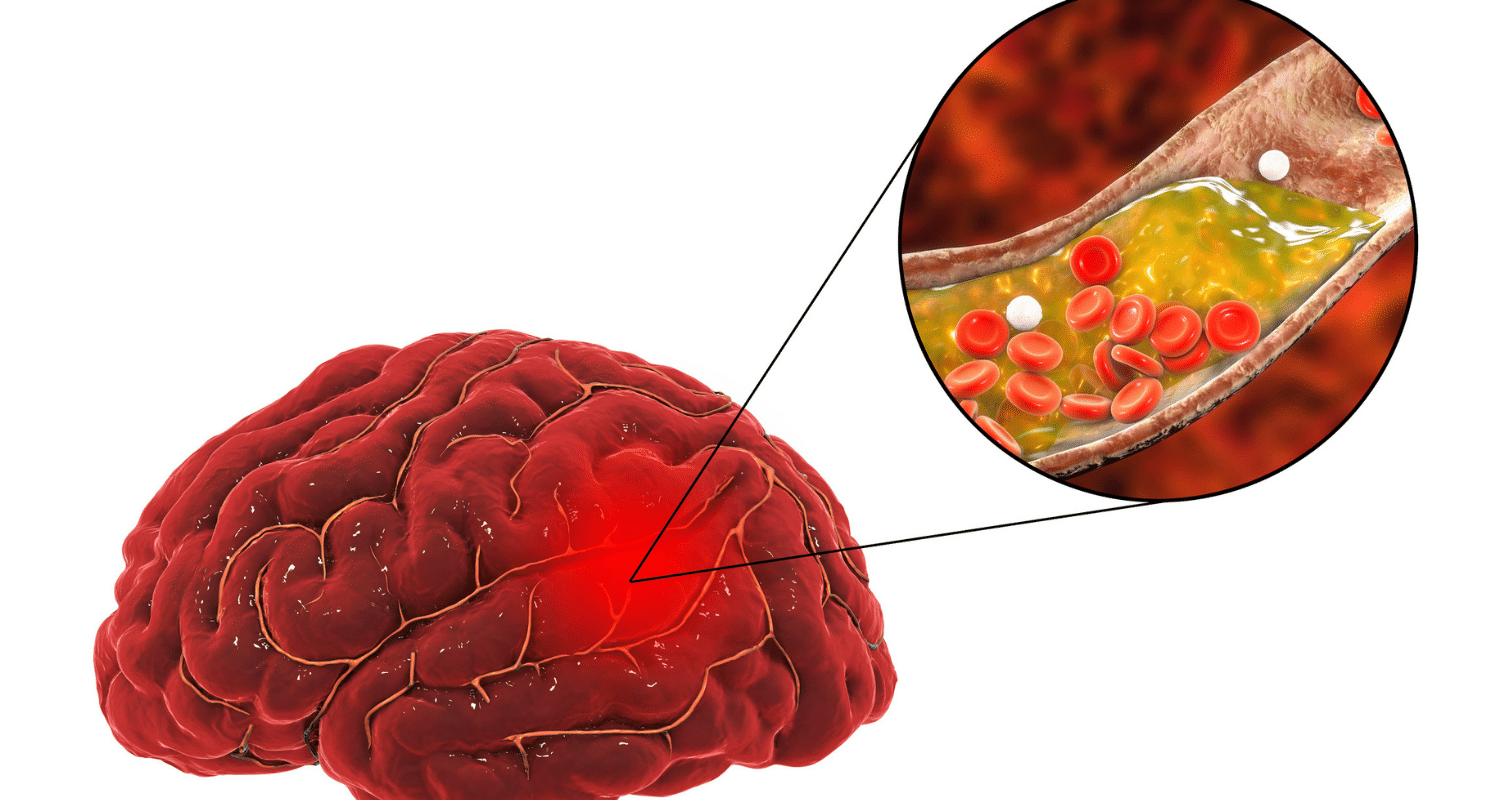
An ischemic stroke happens when a clot or a narrowed artery blocks blood flow to part of the brain. Brain cells begin to die within minutes. About 87 percent of all strokes are ischemic. The rest are bleeding strokes. Knowing how to prevent hemorrhagic stroke matters for that type.
Clots can form in the neck arteries, inside the heart, or in small vessels deep in the brain. That is why heart care and brain care go together at BaleDoneen, where we look for artery disease before it causes a stroke.
Primary and Secondary Prevention
Primary prevention means stopping a first stroke. Secondary prevention means lowering the chance of another one after a stroke or a mini stroke. The steps overlap, but the goals can be tighter after an event. Steps for preventing a second stroke and stroke prevention after a TIA are similar.
Risk Factors for Ischemic Stroke
Some risks you cannot change. Age, family history, sex, and race matter. Family history plays a part, as shown in hereditary stroke patterns. Many risks you can change.
| Risk factor | Why it matters | What helps |
| High blood pressure | Damages artery walls and speeds plaque | Medicine, less salt, exercise |
| High LDL cholesterol | Builds plaque in neck and brain arteries | Diet, statins, other drugs |
| Diabetes | Harms blood vessels | Glucose control, weight loss |
| Atrial fibrillation | Clots form in the heart | Blood thinners, rhythm care |
| Smoking | Raises clot risk and narrows arteries | Quit with support |
| Obesity | Raises pressure, sugar, and lipids | Food and activity changes |
| Sleep apnea | Strains the heart and raises pressure | CPAP, weight loss |
| Carotid artery disease | Plaque can break off and block flow | Medicine, sometimes surgery |
Medical Care That Lowers Stroke Risk
Blood Pressure Control
High blood pressure is the top treatable cause. Targets vary by person, so work with your doctor. Many people need more than one medicine. Home readings help you and your doctor see real patterns. Good hypertension care is the base of any plan.
Statins and Cholesterol Treatment
Statins lower LDL and reduce stroke risk in people with plaque. Some people also need ezetimibe or another medicine. Ask about a carotid ultrasound to look at plaque. Steps for cholesterol management vary by person.
Anticoagulants for Atrial Fibrillation
AFib can cause blood to pool in the heart and form clots. Anticoagulants lower stroke risk in people with AFib by about two thirds. Your doctor uses a score to decide who needs one. The options for blood thinners to prevent stroke differ by drug and person.
Antiplatelet Medicines
Aspirin and clopidogrel make platelets less sticky. They are often used after a TIA or minor stroke. They are not right for everyone, since they raise bleeding risk. Do not start daily aspirin on your own. Other treatment to prevent stroke choices exist too.
Treating Narrowed Neck Arteries
If a carotid artery is badly narrowed, a surgeon may remove plaque or place a stent. This depends on how severe the narrowing is and whether you had symptoms.
Lifestyle Habits That Protect the Brain
Eat for Your Arteries
A Mediterranean or DASH pattern helps blood pressure and cholesterol. Fill half your plate with vegetables and fruit. Pick fish, beans, and olive oil. Cut back on processed meat and salty foods. More lifestyle changes to prevent stroke can fit into a normal week.
Move Every Day
Aim for 150 minutes a week of moderate activity such as brisk walking. Start small if you have been inactive. Your doctor can help you start exercise to prevent stroke safely.
Quit Tobacco and Limit Alcohol
Smoking roughly doubles stroke risk. Quitting lowers it within a few years. Ask your doctor about nicotine replacement or other aids. Heavy drinking raises blood pressure and AFib risk.
Manage Sleep, Stress, and Weight
Loud snoring with daytime sleepiness can point to sleep apnea. Treating it helps blood pressure. Some strokes strike at night, so preventing stroke while sleeping deserves attention. Modest weight loss also improves pressure and sugar.
Women and Stroke Risk
Pregnancy complications, birth control with estrogen, and migraine with aura can add risk. These points matter for stroke prevention in women.
Preventing a Second Stroke
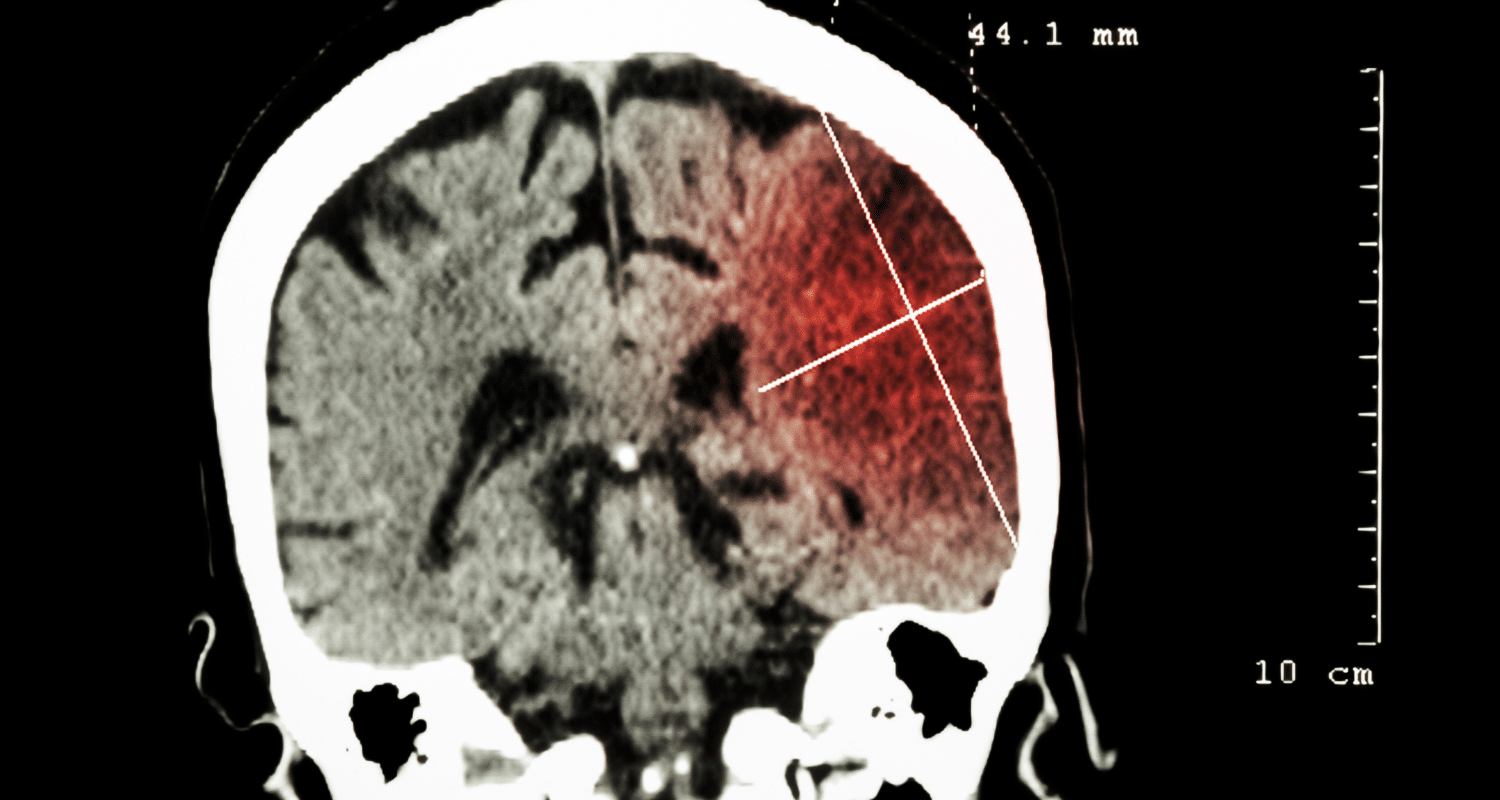
After a stroke or TIA, the risk of another is highest early on. Take medicines as directed, go to follow up visits, and treat every risk factor. Rehab and a careful plan for blood pressure matter. Mood and memory changes should be mentioned to your doctor. Protecting the brain also means preventing dementia after stroke.
Warning Signs and What to Do
Use BE FAST:
- Balance loss
- Eyes: sudden vision change
- Face drooping
- Arm weakness
- Speech trouble
- Time to call emergency services
Note the time symptoms began. Do not drive yourself. Do not wait to see if symptoms pass. Even if they go away, you may have had a TIA, and you still need urgent care. A TIA is a strong warning that a larger stroke could follow. Some people notice warning signs before a stroke in the days ahead.
Frequently Asked Questions
What is the main cause of ischemic stroke?
A blocked artery in or leading to the brain, often from plaque or a clot.
Can ischemic stroke be prevented?
Many cases can be avoided by controlling risk factors.
What is the best medicine to prevent it?
It depends on your risk. Blood pressure drugs, statins, antiplatelets, and anticoagulants each have a role.
Does aspirin prevent stroke?
It helps some people after a TIA. It is not advised for everyone.
Can young people have an ischemic stroke?
Yes. Causes include heart defects, clotting disorders, and artery tears.
How much exercise do I need?
About 150 minutes a week, as your doctor allows.
Does diet matter?
Yes, through blood pressure, cholesterol, and weight.
Can stress cause a stroke?
Long term stress may raise risk by affecting pressure and habits.
How does AFib raise risk?
It lets clots form in the heart that can travel to the brain.
Should I get a carotid scan?
Ask your doctor if you have risk factors or a neck bruit.
Can I prevent a stroke if it runs in my family?
You can lower risk by treating the factors you can change.
What if symptoms go away?
Still call emergency services. It may be a TIA.
Key Takeaways
Most ischemic strokes come from risks you can treat. Know your numbers, take your medicines, and build daily habits that protect your arteries. A team that looks at the root cause can help with preventing a heart attack and stroke.
About the Author: Christine Cooper