Know Your Risk Before It Strikes
Your arteries could be hiding early disease. Find out today.
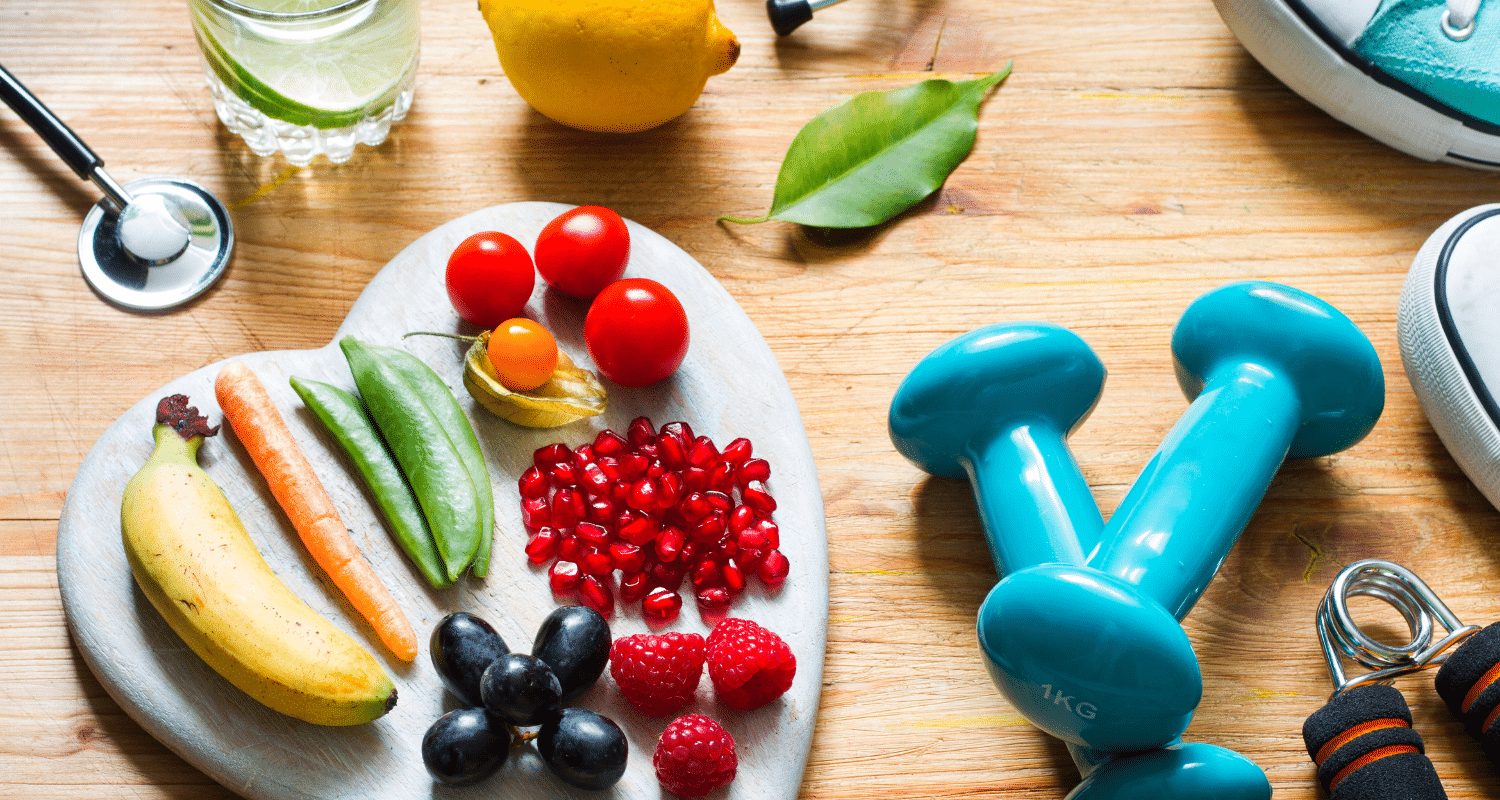
Stroke prevention means lowering the odds that a blood vessel supplying your brain becomes blocked or ruptures. Lifestyle plays a real role in this, since many of the strongest stroke risk factors, including blood pressure, weight, blood sugar, and smoking, respond directly to daily habits. Lifestyle changes cannot guarantee that a stroke will never happen, but they can meaningfully shift the odds in your favor.
This content is for informational purposes only and is not a substitute for medical advice. If you think you are having a stroke, call emergency services immediately. Never stop or change a prescribed medication based on this article without speaking to your doctor first. This approach reflects how BaleDoneen Method thinks about prevention, treating risk factors as connected rather than separate boxes to check.
What Lifestyle Changes Can Help Prevent a Stroke?
The core habits with the strongest evidence behind them are: eating a heart healthy diet, reducing sodium, saturated fat, trans fat, and sugary drinks, staying physically active, maintaining a healthy weight, quitting smoking, limiting alcohol, managing blood pressure, and controlling cholesterol, diabetes, and other underlying medical conditions.
1. Eat a Heart Healthy Diet
Build meals around fruits, vegetables, whole grains, fish, and other nutrient dense foods. Diets like the Mediterranean and DASH patterns are well studied for cardiovascular protection, and small, practical shifts in what you eat tend to stick better than a full overhaul all at once.
2. Reduce Salt and Sodium
Excess sodium raises blood pressure for many people, and high blood pressure is the single strongest modifiable stroke risk factor. Canned soups, deli meats, restaurant meals, and packaged snacks are common high sodium sources. Cooking more at home and using herbs and spices instead of salt are practical substitutions.
3. Limit Unhealthy Fats and Sugary Drinks
Saturated fat and trans fat raise LDL cholesterol, contributing to plaque buildup in your arteries. Sugary drinks and highly processed foods add empty calories that push up weight and blood sugar. Swapping soda for water, and fried foods for baked or grilled options, are simple starting points.
4. Exercise Regularly
Physical activity supports blood pressure, weight, cholesterol, and blood sugar all at once. Walking, aerobic activity, and strength training all count, and reducing sedentary time throughout the day adds up. If you’re not sure where to start, older adults or anyone with existing health conditions should get individualized guidance before jumping into a new routine.
5. Maintain a Healthy Weight
Excess weight, especially carried around the abdomen, raises cardiovascular risk partly through its effect on blood pressure and diabetes. Diet and exercise together support sustainable weight management better than either alone.
6. Quit Smoking
Smoking cessation is one of the single strongest lifestyle changes for reducing stroke risk. Smoking thickens the blood and accelerates plaque buildup in the arteries, and the damage doesn’t stop with the smoker either, since secondhand smoke carries real risk too.
7. Limit Alcohol
Excessive alcohol raises blood pressure and stroke risk. Alcohol should never be presented as a stroke prevention treatment, even in small amounts. If you drink, keep intake modest, and if you do not drink, there is no reason to start.
8. Manage Blood Pressure
High blood pressure often causes no symptoms at all, which is exactly why regular monitoring matters so much. Lifestyle measures like sodium reduction, exercise, and weight management support healthier numbers, and medication may be needed when lifestyle changes are not enough on their own.
9. Control Cholesterol, Diabetes and Other Health Conditions
Stroke prevention is not only about lifestyle. Keeping cholesterol in a healthy range, managing blood sugar, and staying on top of any existing cardiovascular disease through regular testing, medication adherence, and checkups is just as central. Never skip or stop prescribed medication without talking to your doctor.
10. Build Sustainable Daily Habits
A simple weekly structure can help turn general advice into an actual routine:
- Daily: a short walk or activity session, a lower sodium meal choice, and one smoking cessation step if applicable
- Several times a week: strength training, a heart healthy home cooked meal, and blood pressure monitoring
- Ongoing: gradual alcohol reduction, weight management check ins, consistent sleep habits, and medication taken exactly as prescribed
Foods to Eat to Help Reduce Stroke Risk
Eat more often: vegetables, fruits, whole grains, fish, other nutrient dense foods Limit: high sodium foods, sugary drinks, foods high in saturated fat, trans fat containing foods, highly processed foods.
What to Drink to Support Stroke Prevention?
Water is the best primary choice. Unsweetened tea is a reasonable alternative. Limit sugary drinks. There is no single “stroke prevention drink,” and alcohol should not be framed as protective.

Can You Prevent a Stroke at Home?
Healthy habits practiced at home support long term risk reduction, but they cannot guarantee prevention. Combine lifestyle changes with regular medical checkups and any prescribed treatment for a complete approach.
What If You Think You’re Having a Stroke?
This is completely separate from prevention. Lifestyle changes are not treatment for an active stroke. If you or someone near you develops sudden face drooping, arm weakness, or speech difficulty, call emergency services immediately. There is no way to stop a stroke in progress through breathing exercises, pressure points, or any other trick you may see online. Time lost waiting to see if symptoms pass can cost brain tissue that cannot be recovered.
Frequently Asked Questions
How can 80% of strokes be prevented?
Public health estimates suggesting a large share of strokes are preventable are based on the cumulative effect of controlling major modifiable risk factors together, not any single change.
What are the best foods for stroke prevention?
Vegetables, fruits, whole grains, fish, and other nutrient dense foods, eaten consistently as part of an overall pattern.
Can exercise lower your risk of stroke?
Yes, regular physical activity supports several major risk factors tied to stroke.
Can walking help prevent a stroke?
Yes, brisk walking counts as moderate intensity activity and contributes meaningfully to weekly exercise goals.
Does losing weight reduce stroke risk?
Yes, particularly by improving blood pressure, blood sugar, and cholesterol.
Does quitting smoking reduce stroke risk?
Yes, significantly, and risk begins dropping soon after quitting.
Does alcohol increase the risk of stroke?
Excessive alcohol does. Moderation matters if you choose to drink.
How does high blood pressure affect stroke risk?
It damages artery walls over time, making blockages and ruptures more likely.
How can you prevent a stroke when you feel it coming?
There is no reliable way to stop a stroke once it starts. Call emergency services immediately rather than trying any home technique.
How do you stop a stroke in progress?
You cannot stop it yourself. Emergency medical treatment is the only appropriate response.
About the Author: Christine Cooper