Know Your Risk Before It Strikes
Your arteries could be hiding early disease. Find out today.
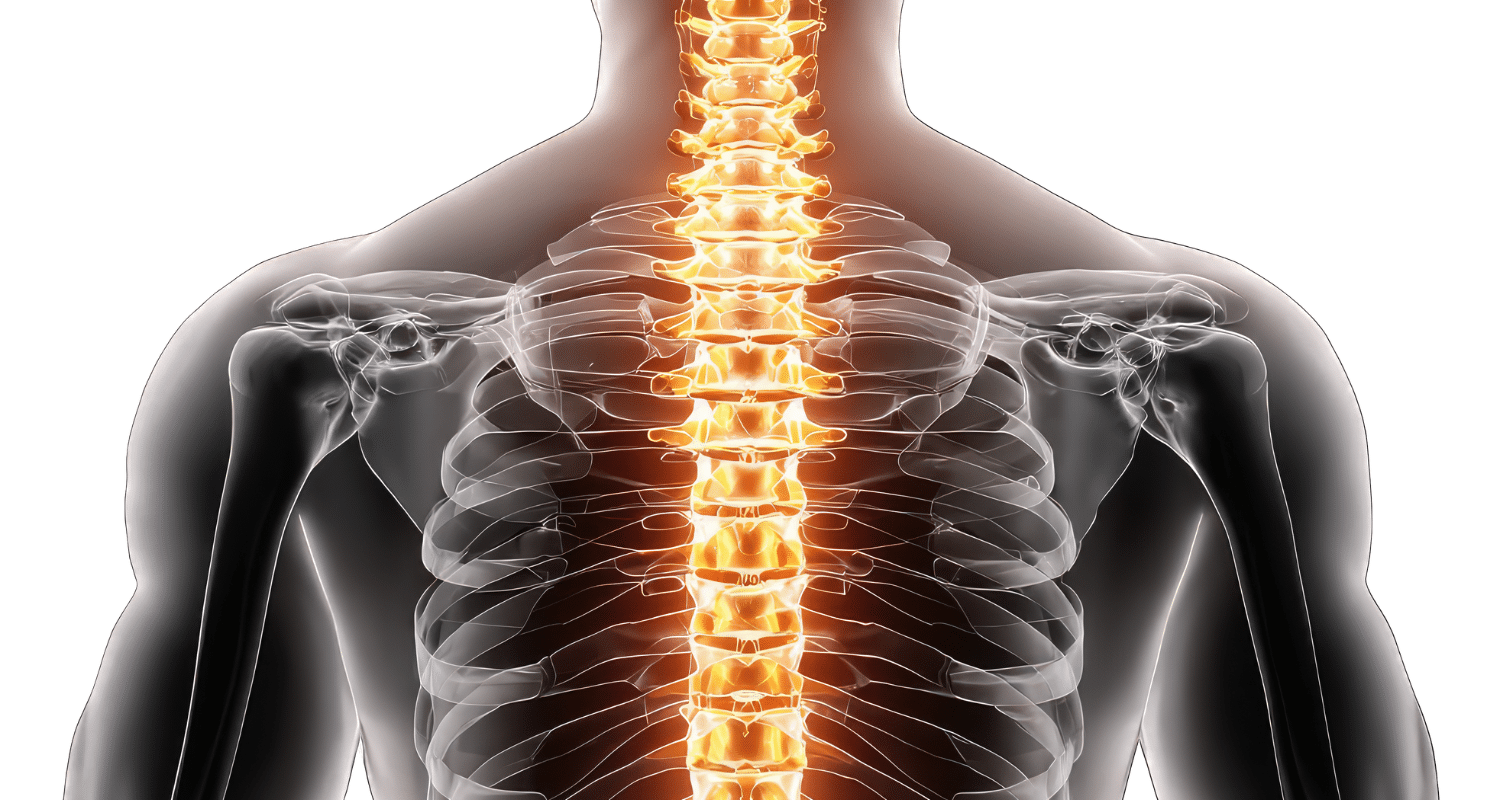
A spinal stroke happens when blood flow to the spinal cord is reduced or blocked, causing damage to the nerve tissue there. Not every spinal stroke can be prevented, since some causes are not tied to modifiable risk factors. But many of the same vascular habits that protect your brain and heart also support the blood vessels supplying your spinal cord.
This content is for informational purposes only and is not a substitute for medical advice. Never stop or change a prescribed medication based on this article without speaking to your doctor first. This kind of whole body view of vascular risk is central to how BaleDoneen Method approaches prevention.
Can You Prevent a Spinal Stroke?
Some risk factors can be modified, and healthy vascular habits may reduce risk. That said, some spinal strokes have causes that cannot be completely prevented. Prevention here is about reducing risk, not guaranteeing that a spinal stroke will never occur.
What Causes a Spinal Stroke?
The main mechanisms include reduced blood flow to the spinal cord, blood clots or blockages, blood vessel disease, and atherosclerosis or plaque buildup affecting the arteries that supply the spine. Other vascular causes, including malformations or inflammation of the blood vessels, can also play a role.
How to Reduce Your Risk of Spinal Stroke
Don’t Smoke
Smoking damages blood vessels throughout the body, and the arteries feeding the spinal cord are no exception.
Control High Blood Pressure
Hypertension wears down blood vessel walls over time. Getting your numbers checked regularly and sticking with your treatment plan matter here as much as anywhere else.
Manage High Cholesterol
High cholesterol feeds atherosclerosis and plaque buildup, which can narrow the arteries supplying the spinal cord just as it does arteries elsewhere in the body. Testing your levels periodically catches problems before they progress.
Manage Diabetes
Uncontrolled blood sugar damages blood vessels over time, and this ties closely to broader insulin resistance, which is worth screening for even without a diabetes diagnosis.
Maintain a Healthy Weight
Excess weight feeds into several of the conditions above at once, since carrying extra weight raises cardiovascular strain in ways that touch blood pressure, blood sugar, and cholesterol together.
Exercise Regularly
Regular movement supports cardiovascular health broadly and cuts down on sedentary time. A simple, consistent routine tends to work better long term than an intense one you can’t sustain.
Eat a Heart Healthy Diet
Fruits, vegetables, whole grains, and limiting foods tied to cardiovascular risk all support healthier blood vessels. Small, practical changes to your everyday meals add up more than a short term diet overhaul.
Limit Alcohol
Excessive alcohol can affect vascular health. This should not be treated as a guaranteed prevention method, simply one part of an overall healthy approach.

Medical Conditions That Can Increase Vascular Risk
High blood pressure, high cholesterol, diabetes, existing heart disease, obesity, and vascular disease all raise risk. Managing these underlying conditions with your doctor is just as important as lifestyle changes.
Can a Healthy Lifestyle Completely Prevent Spinal Stroke?
No. A healthy lifestyle can help manage modifiable vascular risk factors, but it cannot guarantee prevention of every spinal stroke. Some causes, including certain vascular malformations or unpredictable clotting events, are not preventable through lifestyle alone.
What Are the Symptoms of Spinal Stroke?
Sudden weakness, sudden numbness, difficulty walking, and other sudden neurological changes affecting the body below the point of spinal cord injury are common symptoms.
When Should You Seek Emergency Medical Care?
Sudden neurological symptoms, including sudden weakness, numbness, or difficulty walking, require urgent medical assessment. This is separate from long term prevention. Do not wait to see if symptoms pass.
Is Spinal Stroke the Same as a Brain Stroke?
Both involve impaired blood supply to nervous system tissue. A brain stroke affects the brain, while a spinal stroke affects the spinal cord. The underlying vascular mechanisms and many risk factors overlap, but the affected tissue and resulting symptoms differ significantly.
Frequently Asked Questions
Can you prevent a spinal stroke?
Some risk can be reduced through vascular health habits, but not every spinal stroke can be prevented.
How can you reduce your risk of spinal stroke?
Managing blood pressure, cholesterol, diabetes, weight, and smoking, alongside regular exercise and a heart healthy diet.
What causes a spinal stroke?
Reduced or blocked blood flow to the spinal cord, often from a clot, blood vessel disease, or atherosclerosis.
What are the main risk factors for spinal stroke?
High blood pressure, high cholesterol, diabetes, smoking, obesity, and existing vascular or heart disease.
Can high blood pressure increase the risk of spinal stroke?
Yes, it damages blood vessels supplying the spinal cord just as it does elsewhere.
Does high cholesterol increase spinal stroke risk?
Yes, through its contribution to plaque buildup and atherosclerosis.
Does smoking increase the risk of spinal stroke?
Yes, by damaging blood vessels throughout the body.
Can diabetes increase the risk of spinal stroke?
Yes, uncontrolled blood sugar damages blood vessels over time.
Can exercise help prevent spinal stroke?
Regular activity supports overall vascular health, which may help reduce modifiable risk, though it cannot guarantee prevention.
About the Author: Christine Cooper