Know Your Risk Before It Strikes
Your arteries could be hiding early disease. Find out today.
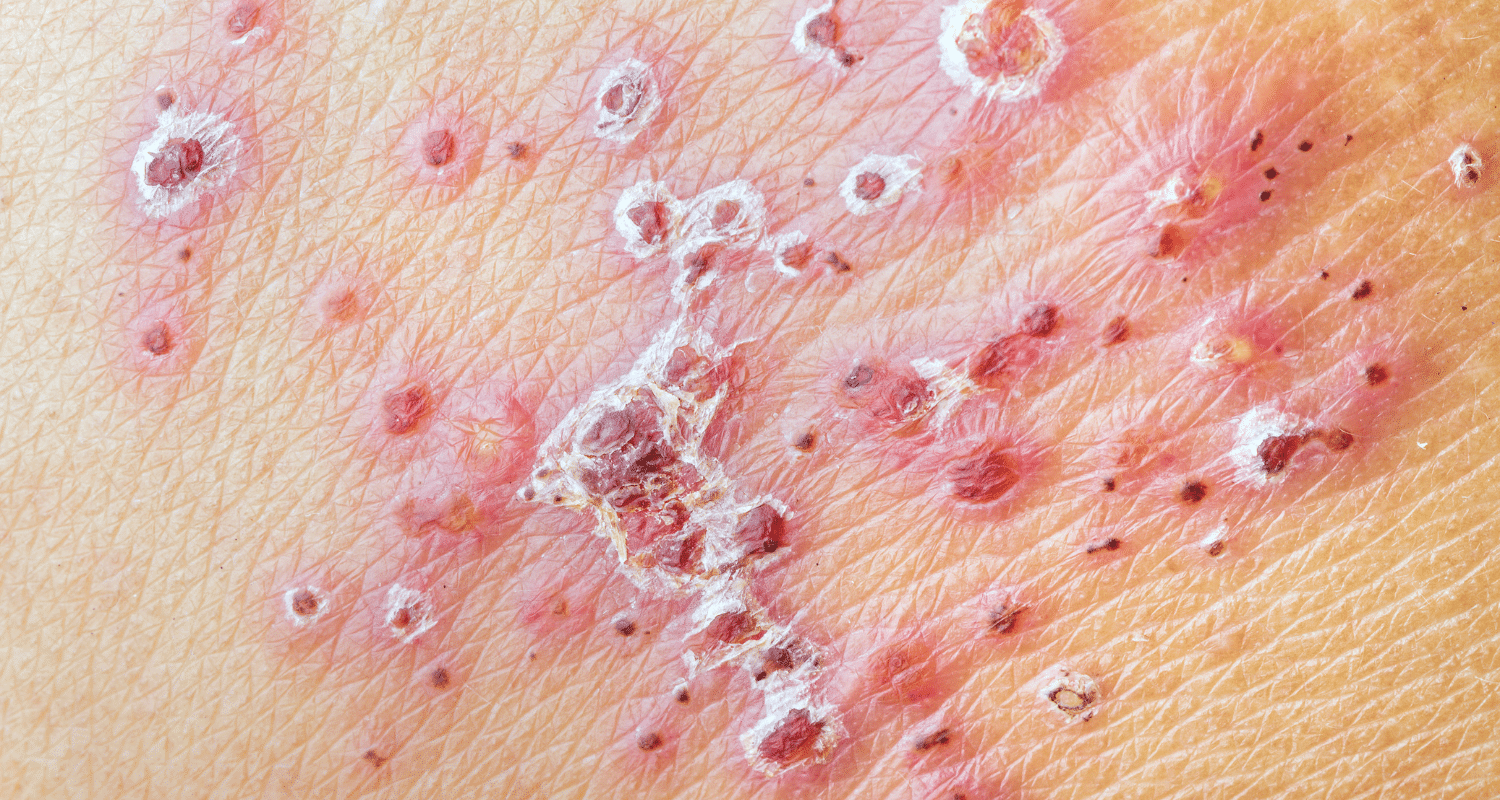
Shingles happens when the varicella zoster virus, the same virus responsible for chickenpox, reactivates later in life. Beyond the painful rash itself, research has found a real, if temporary, association between having shingles and an increased risk of stroke in the weeks and months that follow.
Having shingles does not mean you will have a stroke. Most people who get shingles never have one. What the research does suggest is that your risk is measurably higher for a period afterward, which makes this a reasonable time to pay closer attention to your overall cardiovascular health and to know the warning signs of stroke. This guide walks through what the evidence actually shows and what practical steps are worth taking.
This content is for informational purposes only and is not a substitute for medical advice. Never start, stop, or change a blood pressure medication, antiviral, or aspirin regimen without speaking to your doctor first.
Can Shingles Increase Your Risk of Stroke?
Yes, research has found an association between shingles and a temporarily elevated stroke risk, particularly in the weeks immediately following infection. Researchers believe this may relate to inflammation in and around blood vessels triggered by the viral infection and the body’s immune response to it, potentially affecting how blood vessels function during that window.
This risk appears highest shortly after the shingles infection and gradually decreases over time, though it does not disappear immediately. Shingles affecting the eye, known as ocular shingles, appears particularly significant in this research, with some studies finding a notably higher stroke risk in this group compared to shingles in other locations. It is important to be clear about what this association does and does not mean. Shingles is best understood as a marker of increased risk during this window, not something that directly and inevitably causes a stroke in every person who develops it.
How to Prevent Stroke After Shingles
Get the Shingles Vaccine
Vaccination remains the most effective tool for preventing shingles itself, along with reducing its severity and complications if it does occur, including postherpetic neuralgia. Current shingles vaccines are recommended for eligible adults, and this is worth discussing with your doctor if you have not already been vaccinated.
It is important to be precise here. Vaccination is primarily a strategy for preventing shingles in the first place, not a proven way to reduce stroke risk after someone has already developed a shingles infection. Some research examining this specific question found no clear evidence that prior vaccination changed the elevated stroke risk seen after a shingles diagnosis. The strongest, most supported message from current research is that preventing shingles itself through vaccination is more clearly established than any effect on stroke risk after infection has already occurred.
Treat Shingles Promptly
If you suspect shingles, particularly a rash accompanied by pain, tingling, or burning, contact a healthcare professional quickly. Prompt evaluation matters for managing the infection itself and for reducing complications like postherpetic neuralgia.
Antiviral medications, including acyclovir, valacyclovir, or famciclovir, are commonly prescribed when shingles is caught early. It is worth being honest about the evidence here too. While antivirals can help manage the infection and may reduce certain complications, research specifically examining whether antiviral treatment lowers the elevated stroke risk after shingles has produced mixed results, with at least one large study finding no significant reduction in stroke risk among people who received antiviral treatment compared to those who did not. Prompt treatment remains worthwhile for managing shingles itself, but it should not be treated as a guaranteed way to eliminate any added stroke risk.
Control Your Blood Pressure
High blood pressure remains one of the most significant modifiable stroke risk factors under any circumstances, including after shingles. Our full blood pressure guide covers healthy ranges and treatment approaches. Regular monitoring and taking any prescribed medication consistently both matter here. It is also worth knowing that illness, pain, and stress, including the pain associated with shingles itself, can temporarily affect blood pressure readings, so do not be alarmed by short term fluctuations during an active infection, but do continue monitoring consistently.
Manage Cholesterol and Blood Sugar
High cholesterol and diabetes both contribute to the blood vessel damage that raises stroke risk generally. Our cholesterol management guide and information on insulin resistance cover these conditions in more depth. Appropriate testing and following any prescribed treatment plan support your broader cardiovascular health, which matters especially during a period of temporarily elevated risk.
Avoid Smoking
Smoking damages blood vessels and independently raises stroke risk. Our guide on smoking and cardiovascular risk covers cessation support in more depth. Quitting, with professional support if needed, remains one of the most impactful steps available at any time, including after a shingles diagnosis.
Follow a Heart Healthy Lifestyle
A broader heart healthy approach supports your overall cardiovascular resilience during this higher risk window and beyond. This includes:
- Regular physical activity, covered further in our exercise and heart health guide
- Fruits and vegetables
- Whole grains
- Lean proteins
- Healthy fats
- Limiting excess sodium
- Limiting highly processed foods
- Maintaining a healthy weight
- Limiting alcohol
Our heart healthy nutrition guide covers practical ways to build meals around these principles.
How Long Is Stroke Risk Higher After Shingles?
Research has found that stroke risk appears highest in the first two weeks after a shingles diagnosis and gradually decreases over the following months, though some elevated risk may persist for around six months in certain studies. One large study following older adults found the risk of stroke was notably higher in the first fourteen days after shingles onset, dropping somewhat by the thirty day mark, and continuing to decline through the ninety and one hundred eighty day windows, though it remained somewhat elevated even at six months.
It would not be accurate to give one single timeframe that applies to everyone. Risk varies based on your age, overall health status, and the location of the shingles infection, with ocular shingles associated with a notably higher risk in some research. This is exactly why general cardiovascular vigilance during the months following a shingles diagnosis is worthwhile, rather than assuming risk disappears at any single fixed point.
Does the Shingles Vaccine Reduce Stroke Risk?
This deserves a careful, honest answer rather than a simple yes. Vaccination clearly reduces your risk of developing shingles in the first place, and preventing shingles logically also prevents the temporarily elevated stroke risk that follows a shingles infection.
The more specific question, whether vaccination changes stroke risk in someone who has already developed shingles, has less clear support. At least one large study specifically examining this question found no meaningful difference in stroke risk between people who had been vaccinated and those who had not, once shingles had already occurred. The takeaway from current evidence leans toward preventing shingles through vaccination in the first place, rather than expecting vaccination to meaningfully change your stroke risk after an infection has already started.
Can Antiviral Treatment Prevent a Stroke After Shingles?
Antiviral medications are a standard, reasonable part of shingles treatment when started promptly, and they may help reduce certain complications tied to the infection itself, such as postherpetic neuralgia.
Whether antivirals specifically reduce the elevated stroke risk associated with shingles is less clear. Research on this question has produced mixed findings, and at least one large study found no significant reduction in stroke risk among people treated with antivirals compared to those who were not. This does not mean antiviral treatment is not worthwhile. It simply means the evidence does not currently support antiviral treatment as a proven, dedicated stroke prevention strategy specifically. Treating shingles promptly remains reasonable for managing the infection itself, just without overstating what that treatment does or does not do for your stroke risk.
What Are the Signs of a Stroke After Shingles?
The BE FAST method offers a way to recognize possible stroke symptoms quickly:
B — Balance Sudden loss of balance or coordination.
E — Eyes Sudden vision changes.
F — Face One side of the face droops.
A — Arm Sudden weakness or numbness, often on one side of the body.
S — Speech Slurred or difficult to understand speech.
T — Time Seek emergency medical help immediately.
Also watch for a sudden severe headache, confusion, or any other sudden neurological symptom that feels out of the ordinary. Our full warning signs guide covers stroke symptoms in more detail. Call emergency services immediately if you notice any of these signs, rather than waiting to see if they pass.
Who May Have a Higher Stroke Risk After Shingles?
Certain people appear to carry a higher stroke risk following a shingles diagnosis, including:
- Older adults
- People with high blood pressure
- People with diabetes
- People with high cholesterol
- Smokers
- People with existing cardiovascular disease
- People with other established stroke risk factors
- People who develop shingles involving the eye specifically
If you fall into one or more of these groups, it is reasonable to be especially attentive to both your general cardiovascular risk factors and to stroke warning signs during the months following a shingles diagnosis.
When Should You See a Doctor After Shingles?
Seek prompt medical evaluation, and emergency care when appropriate, if you notice:
- Persistent or worsening neurological symptoms
- New vision problems
- A severe headache
- Weakness or numbness
- Difficulty speaking
- Confusion or dizziness
- Any symptoms suggestive of a TIA or stroke
Stroke symptoms require emergency evaluation, not a routine appointment. If you notice any of the BE FAST warning signs above, call emergency services right away rather than waiting to see your regular doctor.
Frequently Asked Questions
Can shingles trigger a stroke?
Research has found an association between shingles and a temporarily elevated stroke risk, though shingles does not directly cause a stroke in most people who develop it.
How long after shingles are you at risk for a stroke?
Risk appears highest in the first two weeks after shingles onset and gradually declines over the following months, with some studies finding modestly elevated risk lasting up to around six months.
How can I reduce my stroke risk after shingles?
Managing traditional risk factors like blood pressure, cholesterol, diabetes, and smoking, along with maintaining a heart healthy lifestyle and knowing stroke warning signs, are the most well supported steps available.
Does the shingles vaccine prevent stroke?
The vaccine clearly helps prevent shingles itself, which in turn prevents the stroke risk associated with having shingles. Evidence that vaccination changes stroke risk after an infection has already occurred is less clear.
Can antivirals prevent stroke after shingles?
Antiviral treatment helps manage the shingles infection itself, but research on whether it specifically reduces the associated stroke risk has produced mixed, inconclusive findings.
Does ocular shingles increase stroke risk?
Yes, research has found ocular shingles associated with a notably higher stroke risk compared to shingles affecting other parts of the body.
Can shingles cause blood clots?
Shingles has been associated with vascular inflammation and an increased risk of ischemic stroke specifically, which involves a blood clot or blockage, more so than hemorrhagic stroke, which involves bleeding.
What are the warning signs of a stroke after shingles?
The BE FAST signs, balance loss, eye or vision changes, face drooping, arm weakness, and speech difficulty, along with sudden severe headache or confusion, all warrant an immediate call for emergency help.
About the Author: Christine Cooper