Know Your Risk Before It Strikes
Your arteries could be hiding early disease. Find out today.

Regular exercise can lower your risk of stroke, although it cannot prevent every stroke. Physical activity improves several major risk factors tied to stroke, including blood pressure, weight, blood sugar, and cardiovascular fitness. It does not make stroke impossible, but it meaningfully shifts your odds.
This content is for informational purposes only and is not a substitute for medical advice. Never start a new exercise program without medical clearance if you have existing heart or vascular conditions. Movement is just one piece of the fuller prevention picture BaleDoneen Method focuses on.
Does Exercise Prevent a Stroke?
Regular exercise can reduce the risk of stroke, but it cannot prevent every stroke. Stroke has multiple possible causes, and exercise primarily works by improving the modifiable cardiovascular and metabolic risk factors behind many strokes. The relationship runs: exercise leads to better cardiovascular and metabolic health, which leads to lower vascular risk, which leads to lower stroke risk.
How Does Exercise Reduce Stroke Risk?
Helps Control Blood Pressure
Regular physical activity supports healthier blood pressure over time, which matters enormously given that high blood pressure is the single strongest modifiable stroke risk factor. There is no single target appropriate for everyone, so work with your doctor on your specific goal.
Supports a Healthy Weight
Physical activity supports weight management, and since carrying excess weight compounds several risk factors at once, even modest, consistent movement tends to pay off across the board.
Improves Blood Sugar Control
Exercise improves how your body regulates glucose, which matters for both preventing and managing diabetes and insulin resistance.
Supports Cardiovascular Health
Regular activity improves overall cardiovascular fitness, strengthening the heart and improving circulation broadly.
Improves Metabolic Health
Physical activity connects to broader metabolic health, reducing cardiovascular risk through multiple overlapping pathways at once.
How Much Exercise Do You Need to Reduce Stroke Risk?
A general target for most adults is at least 150 minutes of moderate intensity aerobic activity per week. This can be spread across the week, and shorter sessions can still count toward the total. People who are currently inactive can start with smaller amounts and gradually increase over time. The 150 minute figure is a general physical activity recommendation, not a specific point at which stroke prevention suddenly begins.
What Is the Best Exercise for Stroke Prevention?
There is no single exercise that is universally best. The best activity is one you can perform regularly and safely.
Brisk Walking
An accessible, low barrier form of moderate intensity aerobic activity available to most people.
Cycling
Provides solid aerobic benefit and is gentle on the joints.
Swimming
Another effective moderate intensity aerobic option, particularly good for people with joint limitations.
Jogging or Other Aerobic Activities
Appropriate for people with a higher baseline fitness level.
Strength Training
Muscle strengthening activities complement aerobic exercise and support overall metabolic health.
Is Walking Enough to Help Prevent Stroke?
Walking can contribute meaningfully to your weekly physical activity total. Brisk walking specifically counts as moderate intensity aerobic activity. Consistency matters more than intensity for many people just starting out, and you can gradually build up your pace and duration as your fitness improves. Walking alone does not guarantee stroke prevention, but it is a genuinely valuable, accessible part of an overall prevention plan.
Can Exercise Prevent a Second Stroke?
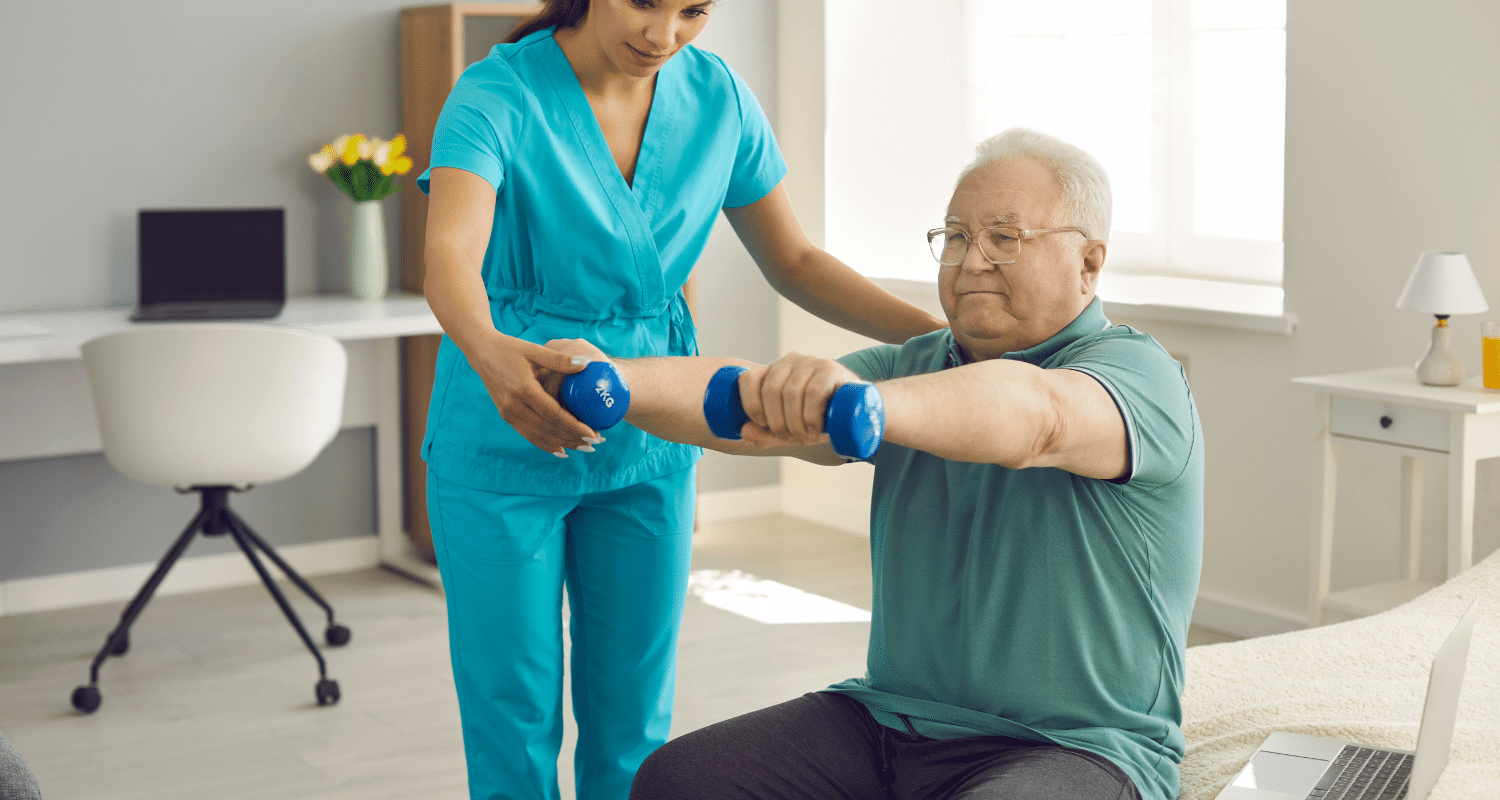
Physical activity can be part of a broader plan to reduce the risk of another stroke, but people who have already had a stroke often need an individualized exercise or rehabilitation plan, factoring in mobility, balance, cardiovascular health, neurological limitations, and overall recovery status.
How to Start Exercising Safely
Start Gradually
Especially important if you have been inactive for a while.
Choose an Activity You Can Maintain
Consistency matters more than picking whatever is considered technically “best.”
Consider Your Existing Health Conditions
People with cardiovascular disease, a previous stroke, significant mobility limitations, or other medical concerns may need individualized guidance from their care team before starting. Exercise works best alongside other habits too, like not smoking and eating well, rather than as a stand alone fix.
Know When to Stop and Seek Medical Help
Stop and seek medical attention for chest pain, severe or unusual shortness of breath, fainting, or any sudden neurological symptoms during activity.
Can Exercise Stop a Stroke That Is Happening?
No. Exercise cannot stop an active stroke. Exercise is a prevention and risk reduction strategy, not emergency treatment. If someone develops sudden stroke symptoms, they need immediate emergency medical care, not physical activity of any kind.
Know the Warning Signs of Stroke
Sudden facial weakness or drooping, sudden arm or leg weakness or numbness, sudden speech or language problems, sudden vision changes, sudden difficulty walking or loss of balance, and a sudden severe headache all require emergency attention. Our full warning signs guide covers these symptoms in more detail. Call emergency services immediately rather than waiting to see if symptoms pass.
Frequently Asked Questions
Does exercise prevent stroke?
Regular exercise lowers stroke risk but cannot prevent every stroke.
What is the best exercise to prevent stroke?
There is no single best exercise. Any activity you can perform regularly and safely offers real benefit.
Does walking reduce the risk of stroke?
Yes, brisk walking counts as moderate intensity aerobic activity and contributes meaningfully to risk reduction.
How much exercise should I do to reduce stroke risk?
A general target is 150 minutes of moderate intensity activity per week, though your individual plan should fit your fitness level and health.
Can exercise lower blood pressure and stroke risk?
Yes, exercise is one of the more effective non medication ways to support healthier blood pressure.
Can exercise prevent a second stroke?
It can be part of a broader secondary prevention plan, tailored individually for stroke survivors.
Is 30 minutes of exercise a day enough to reduce stroke risk?
Thirty minutes a day, five days a week, meets the general 150 minute weekly target and offers meaningful benefit.
Can you exercise after having a stroke?
Many stroke survivors can exercise safely with an individualized plan guided by their rehabilitation team.
Can exercise stop a stroke from happening?
No, not once it has started. Exercise reduces long term risk, but it is not an emergency intervention.
What lifestyle changes can help prevent stroke?
Along with exercise, managing blood pressure, cholesterol, diabetes, weight, smoking, and diet all contribute to lower stroke risk.
About the Author: Christine Cooper