Know Your Risk Before It Strikes
Your arteries could be hiding early disease. Find out today.

Heart disease kills more women than all cancers combined. Yet many women do not recognize the warning signs when they are having a heart attack.
This risk becomes even more serious for women over 60. After menopause, heart attack risk rises sharply, and symptoms often look nothing like what most people expect.
Knowing these signs could save your life or the life of someone you love.
Why Women Over 60 Face Different Symptoms
Women experience heart attacks differently than men, and these differences become more pronounced with age.
According to the Mayo Clinic, about 90% of women have chest pain during a heart attack. But the other symptoms can be so subtle that many women miss them entirely.
Men often describe crushing chest pressure, commonly compared to an elephant sitting on the chest.
Women may feel something very different. The discomfort can be mild, intermittent, or described as pressure rather than pain. This difference leads many women to delay seeking care.
The Hidden Warning Signs
Heart attack symptoms in women over 60 often resemble other health problems. These are the warning signs that should never be ignored.
Jaw, Neck, and Back Pain
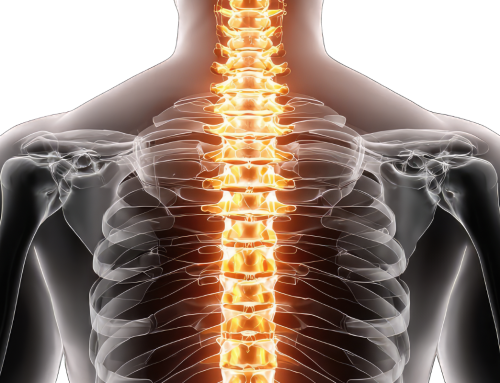
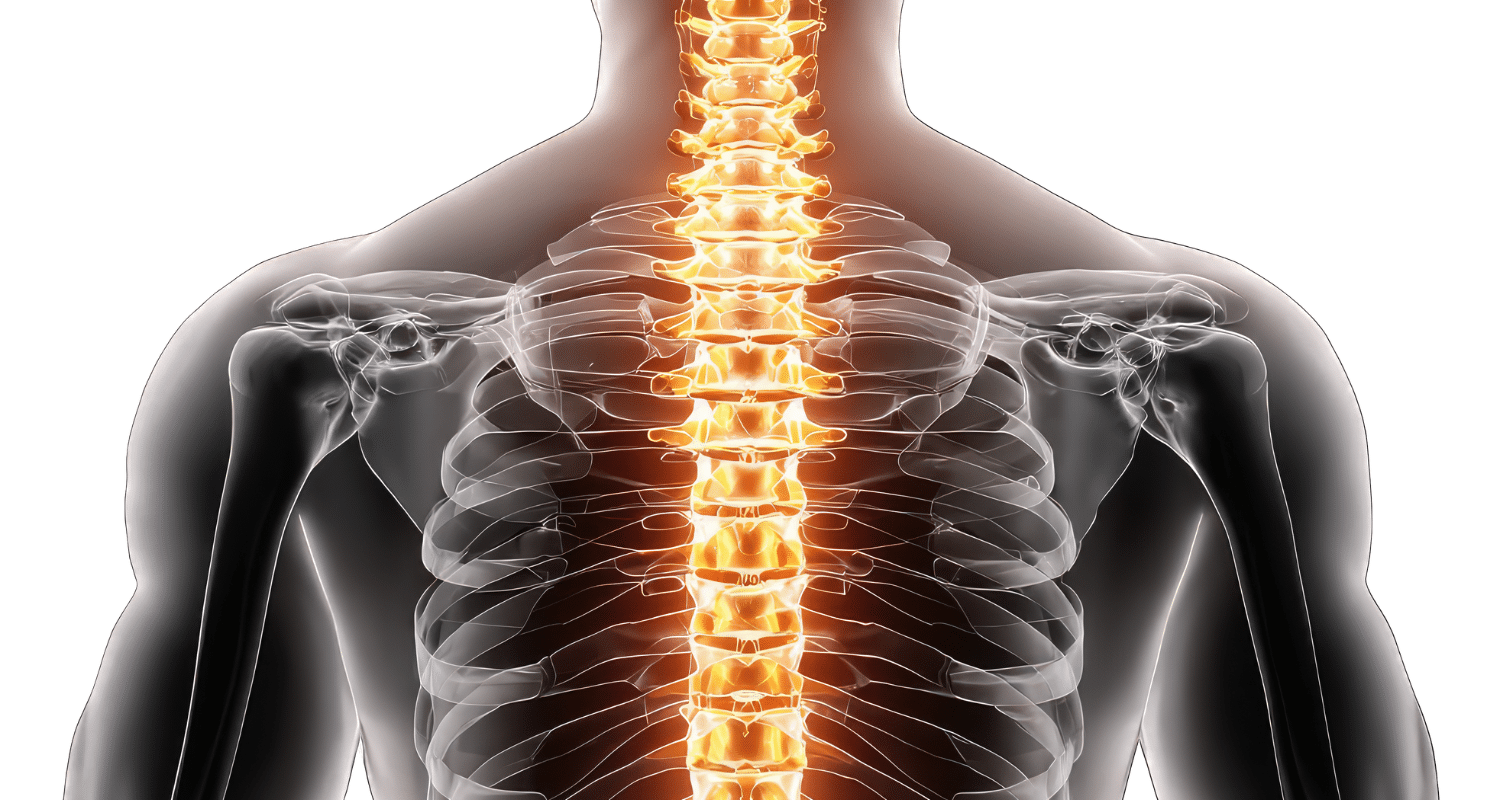
Pain that spreads to the jaw, neck, or upper back can be a sign of a heart attack. This discomfort may feel deep and difficult to pinpoint.
Many women dismiss this pain as arthritis, muscle strain, or poor posture. If it appears suddenly or occurs during physical activity or emotional stress, it should be taken seriously.
The pain may begin mildly and increase over several minutes or come and go unpredictably.
Extreme Fatigue
Extreme fatigue that does not improve with rest is a major warning sign. This is not typical tiredness from a busy day.
Many women describe feeling completely drained, as if they ran a marathon without moving. Simple activities like walking to the mailbox may suddenly feel overwhelming.
This fatigue can appear days or even weeks before a heart attack. It is often ignored as a normal part of aging, which delays treatment.
Shortness of Breath
Sudden shortness of breath during routine activities deserves attention. Women may find themselves stopping to catch their breath while shopping or climbing stairs they normally manage easily.
This symptom can occur with or without chest discomfort. In some cases, breathlessness is the only warning sign.
Nausea and Stomach Problems
Nausea, vomiting, or stomach discomfort can be signs of a heart attack in women over 60. These symptoms are often mistaken for food poisoning, indigestion, or acid reflux.
Heart attack related nausea is different. It often appears alongside other symptoms and may occur during physical activity or emotional stress rather than after eating.
Cold Sweats and Clamminess
Sudden cold sweats without an obvious cause should not be ignored. The skin may feel clammy, cool, or damp to the touch.
When cold sweats occur with fatigue, nausea, or shortness of breath, they may signal a heart attack rather than a minor illness.
Dizziness and Lightheadedness
Feeling dizzy, faint, or lightheaded can be another warning sign. Some women describe feeling unsteady or as if the room is spinning.
These symptoms can resemble anxiety or low blood sugar. When combined with other signs, they point to a potentially serious cardiac problem.
Chest Pressure or Discomfort
When women over 60 experience chest symptoms, they often describe them differently than men. Instead of severe pain, it might feel like:
- Pressure or tightness
- Squeezing sensation
- Heaviness in the chest
- Burning feeling similar to heartburn
The discomfort usually builds gradually over several minutes. It may come and go rather than remaining constant.

Why Women Delay Getting Help
Research shows that women often wait longer than men to seek treatment during a heart attack. Several factors contribute to this dangerous delay.
The Caregiver Role
Many women over 60 spend much of their time caring for others. They worry about spouses, elderly parents, or grandchildren who rely on them.
Thoughts like, “I cannot go to the hospital, who will take care of everyone else?” delay emergency care and increase risk.
Not Wanting to Bother Anyone
Women who live alone may hesitate to call for help because they do not want to bother their children, neighbors, or friends.
This is especially common among widowed women who feel isolated and hope symptoms will pass on their own.
Mistaking Symptoms for Something Else
The subtle nature of women’s heart attack symptoms leads to misdiagnosis. Women themselves dismiss the signs as:
- Menopause related changes
- Anxiety or panic attacks
- Indigestion or heartburn
- Normal aging
- Stress
Even healthcare providers sometimes miss heart attacks in women because the symptoms do not match classic patterns.
Silent Heart Attacks in Older Women
Some heart attacks occur with very mild or no obvious symptoms. These are known as silent heart attacks.
Women are more likely than men to experience silent heart attacks. They are also more common in people with diabetes, where nerve damage can reduce pain sensation.
Signs of a silent heart attack include:
- Mild discomfort that comes and goes
- Feeling extremely tired for no clear reason
- Flu-like symptoms
- Slight breathlessness
According to Kaiser Permanente, about half of women don’t even realize heart disease is their biggest health threat.
Understanding Your Risk Factors
Certain factors increase the risk of heart attacks in women after age 60.
Menopause drops estrogen levels. This hormone helps protect your arteries. After menopause, your risk increases significantly.
High blood pressure strains your heart and damages artery walls over time.
High cholesterol builds up in arteries, creating blockages that can rupture suddenly.
Diabetes damages blood vessels and nerves. It also makes silent heart attacks more likely.
Smoking remains one of the biggest risk factors at any age. Women who smoke are 25% more likely to develop heart disease than men who smoke.
Family history matters. If close relatives had early heart disease, your risk climbs.
Previous pregnancy complications like gestational diabetes, preeclampsia, or high blood pressure during pregnancy increase lifetime heart risk.
Lack of physical activity weakens your heart and contributes to other risk factors.
Emotional stress and depression affect women’s hearts more than men’s. Chronic stress can trigger heart attacks.
Inflammatory conditions like rheumatoid arthritis or lupus raise heart attack risk.
When to Call 911
Never wait to see if symptoms improve. Call 911 immediately if you experience any of the following:
- Any chest pain or pressure lasting more than a few minutes
- Pain spreading to your jaw, neck, back, or arms
- Shortness of breath with chest discomfort
- Sudden cold sweats with other symptoms
- Unexplained nausea with fatigue or breathlessness
- Extreme fatigue that comes on suddenly
- Feeling like something is very wrong
Trust your instincts. If something feels off, seek emergency care right away.
Time is heart muscle. Every minute of delay allows more heart tissue to be damaged.
Do not drive yourself to the hospital. Paramedics can begin treatment immediately.
Prevention Strategies That Work
You can take meaningful steps to protect your heart starting today.
Get regular checkups. Know your numbers for blood pressure, cholesterol, blood sugar, and BMI.
Eat a heart healthy diet. Focus on vegetables, fruits, whole grains, lean proteins, and healthy fats. Limit salt, sugar, and saturated fats.
Move your body. Aim for 30 to 60 minutes of activity most days. Walking counts. Start small and build up gradually.
Quit smoking. It’s never too late. Your heart starts healing within weeks of quitting.
Manage stress. Try meditation, deep breathing, yoga, or connecting with supportive friends.
Limit alcohol. Stick to one drink per day maximum for women.
Get good sleep. Aim for seven to nine hours nightly. Poor sleep raises heart disease risk.
Take medications as prescribed. If your doctor prescribes blood pressure or cholesterol medication, take it consistently.
The BaleDoneen Method: A Complete Approach
Standard medical care often focuses only on managing symptoms after problems develop. The BaleDoneen Method takes a different path.
This approach identifies root causes that traditional tests may miss. Advanced screening reveals hidden risks even when standard results appear normal.
BaleDoneen providers look at:
- Arterial inflammation that triggers heart attacks
- Comprehensive cholesterol analysis beyond basic numbers
- Genetic factors that affect your risk
- Oral bacteria linked to heart disease
- Insulin resistance and metabolic health
The goal is not simply lowering risk. The goal is stopping heart attacks and strokes entirely.
This personalized prevention strategy has helped thousands of women avoid cardiovascular events. For women over 60 with risk factors, it can be life changing.
FAQs
Can you have a heart attack without chest pain?
Yes. Many women over 60 experience heart attacks without significant chest pain. Symptoms may include jaw pain, extreme fatigue, nausea, or shortness of breath, which leads to delayed care.
What are the first signs of a heart attack in older women?
Early signs may include unusual fatigue lasting days or weeks, mild shortness of breath during normal activity, sleep disturbances, indigestion, or anxiety.
Is indigestion a symptom of a heart attack?
Yes. Nausea, indigestion, or heartburn can be heart attack symptoms in women. If these occur with sweating, fatigue, or breathlessness, call 911 immediately.
How does anxiety mimic a heart attack in women?
Both can cause chest discomfort, sweating, dizziness, and shortness of breath. Heart attack symptoms usually worsen with physical activity and do not improve with rest. When uncertain, seek emergency care.
When should a woman over 60 call 911 for heart symptoms?
Call 911 for chest pressure lasting more than a few minutes, pain spreading to the jaw or arms, sudden shortness of breath, cold sweats with other symptoms, or sudden extreme fatigue.
Are silent heart attacks common in women?
Yes. Silent heart attacks are more common in women than men. They cause minimal symptoms but still damage the heart. Women with diabetes face even higher risk due to nerve damage.
About the Author: Christine Cooper