Know Your Risk Before It Strikes
Your arteries could be hiding early disease. Find out today.

A heart attack occurs when blood flow to part of the heart muscle becomes blocked. Without oxygen, heart cells begin to die. Every minute matters.
Knowing what to do in that moment can save a life. This guide walks through the exact steps to take when someone near you shows signs of a heart attack.
Quick action does more than save lives. It also limits damage to the heart muscle and improves long term recovery.
Recognize the Warning Signs
Heart attack symptoms vary from person to person. Some are dramatic and obvious. Others are subtle and easy to miss.
Common signs include:
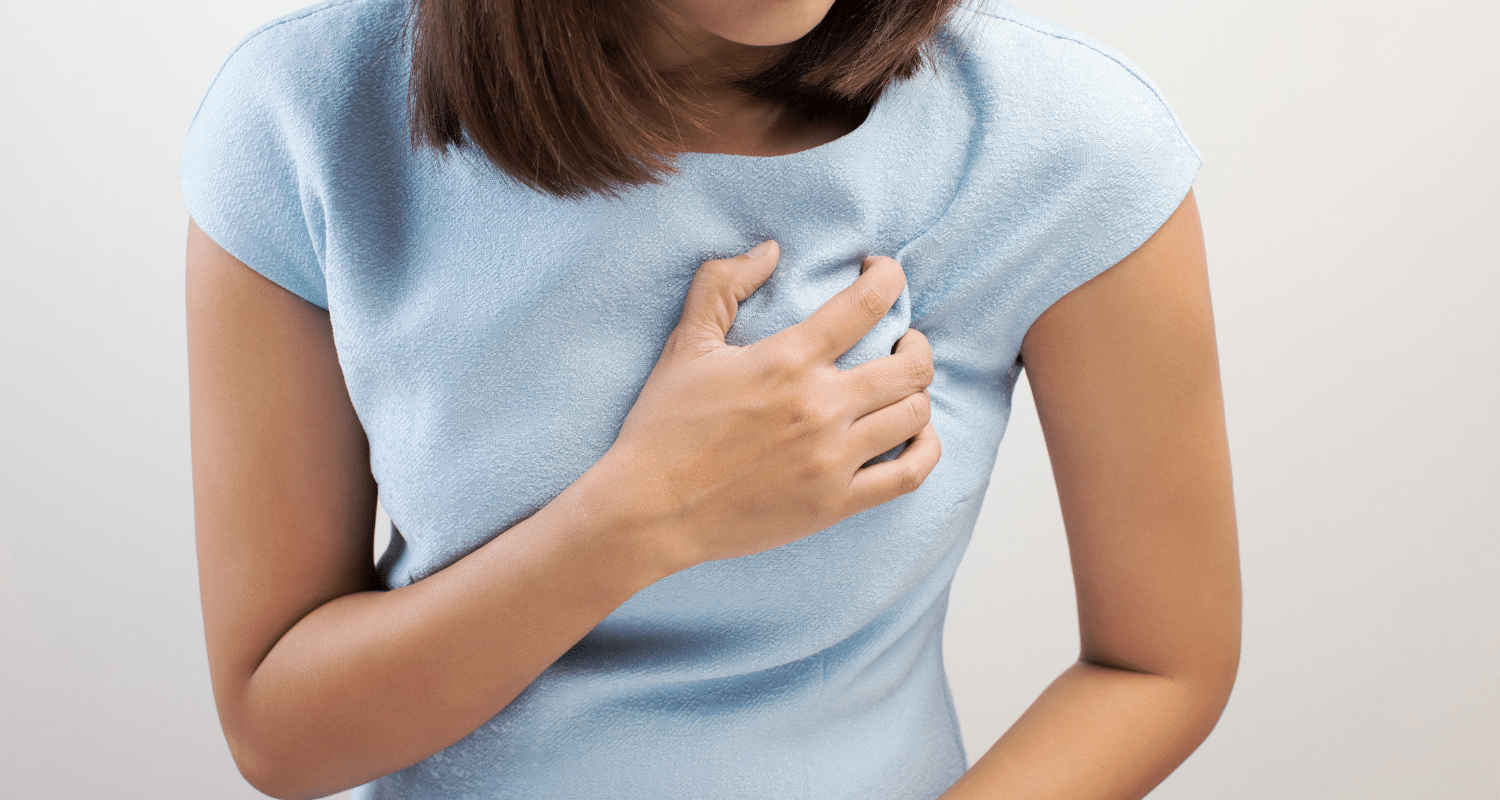
- Chest pain or pressure. This often feels like squeezing, tightness, or heaviness in the chest. The chest pain may last more than a few minutes or come and go.
- Pain that spreads. Discomfort can move to the arms, back, neck, jaw, or stomach.
- Shortness of breath. This may happen with or without chest pain.
- Cold sweats. Breaking out in a sudden sweat without a clear reason.
- Nausea or vomiting. Some people feel sick to their stomach.
- Dizziness or lightheadedness. Feeling faint or unsteady.
Symptoms in Women Can Differ
Women often have different heart attack symptoms than men. According to the American Heart Association, women may experience:
- Extreme fatigue
- Mild chest discomfort instead of severe pain
- Indigestion or heartburn
- Upper back pain
These subtle signs can be easy to dismiss. Don’t ignore them.
Call 911 Immediately
Calling 911 is the single most important step when you suspect a heart attack. Call the moment symptoms appear.
Do not wait to see if symptoms improve. Do not drive the person to the hospital yourself.
Here’s why calling 911 is critical:
Paramedics can start treatment right away. They have equipment and medications that can help during transport.
They know the fastest route. Emergency vehicles can use sirens and special lanes to save time.
Treatment begins sooner. The hospital gets notified before you arrive. The cardiac team prepares.
It’s safer. A heart attack can worsen suddenly. If the person is driving or you’re alone in a car, this becomes dangerous.
Stay on the line with the dispatcher. Answer their questions clearly. Follow any instructions they give you.
Keep the Person Calm and Still
While waiting for emergency help, focus on keeping the person calm and comfortable.
- Help them sit down or lie down. A semi-sitting position with their back supported often feels best.
- Loosen tight clothing. Undo their belt, collar, or any restrictive garments.
- Keep them still. Tell them not to move around or try to walk. Activity puts more strain on the heart.
- Stay with them. Never leave them alone, even for a moment.
- Talk to them calmly. Your reassurance helps reduce their panic and stress.
- Stress and anxiety make the heart work harder. Keep your voice steady and confident.

Give Aspirin If Safe
Ask whether the person is allergic to aspirin. If they are not and can swallow safely, give aspirin as soon as possible.
The recommended dose is one regular aspirin, 300 to 325 mg, or two baby aspirins at 81 mg each.
Have the person chew the aspirin rather than swallowing it whole. Chewing allows faster absorption. Aspirin helps thin the blood and can limit clot growth.
Don’t give aspirin if:
- They’re allergic to it
- They have bleeding problems
- Their doctor told them not to take it
- They can’t swallow safely
If you are unsure, ask the 911 dispatcher before giving it.
Help With Their Medication
If the person has prescribed heart medication, help them take it as directed.
Nitroglycerin is commonly prescribed for chest pain. It may come as a tablet placed under the tongue or as a spray.
Only help with medication that was prescribed specifically for that person. Never give medication that belongs to someone else.
Tell the 911 dispatcher what medications the person has taken and when. This information helps paramedics provide appropriate care.
When to Start CPR
CPR, or cardiopulmonary resuscitation, is only needed if the person becomes unconscious and stops breathing normally.
Check for these signs:
- They don’t respond when you speak or touch them
- They’re not breathing or only gasping
If both are present, begin CPR immediately.
How to Do Hands-Only CPR
Place the heel of one hand in the center of the person’s chest. Put your other hand on top and interlock your fingers.
Push hard and fast. Press the chest down at least 2 inches.
Aim for 100 to 120 compressions per minute. A helpful rhythm is the beat of the song Stayin’ Alive.
Don’t stop until:
- Paramedics arrive and take over
- The person starts breathing normally
- You’re too exhausted to continue
The American Red Cross offers free training videos and classes. Learning proper CPR technique can make you more confident in an emergency.
Use an AED If Available
An AED, or automated external defibrillator, can restore a dangerous heart rhythm to normal.
Use an AED only if the person is unconscious and not breathing. Do not use it on someone who is awake or responsive.
How to Use an AED
- Turn on the device. Most AEDs have a power button or open automatically when you lift the lid.
- Expose the person’s chest. Make sure the skin is dry.
- Attach the pads to their bare chest. Follow the pictures on the pads.
- Stand clear. Make sure no one is touching the person.
- Press the analyze button. The AED will check the heart rhythm.
- If the AED tells you to shock, press the shock button. Then start CPR again right away.
- The device will guide you with voice prompts. Just follow the instructions.
What NOT to Do
Certain actions can worsen the situation and should be avoided.
Do not give food or drinks. The person may need emergency procedures, and an empty stomach is safer.
Do not let the person walk around. Movement increases strain on the heart.
Do not wait to see if symptoms pass. Even if pain eases, call 911.
Don’t assume they’re too young. Heart attacks can happen at any age. Research shows heart attacks are increasing in younger adults.
Heart Attack vs Cardiac Arrest: Know the Difference
These terms are often confused. They’re not the same thing.
Heart Attack:
- Blood flow to the heart is blocked
- The heart keeps beating (though maybe weakly)
- Person is usually awake and can talk
- Needs emergency medical care fast
Cardiac Arrest:
- The heart stops beating entirely
- Person collapses and loses consciousness
- No pulse or breathing
- Needs CPR and AED right away
A heart attack can lead to cardiac arrest, but they are distinct emergencies.
Prevention Matters Most
The most effective way to handle a heart attack is to prevent it from happening.
The BaleDoneen Method offers a comprehensive approach to heart attack and stroke prevention. Unlike standard care that focuses only on managing risk factors, this method identifies and treats the root causes of cardiovascular disease.
BaleDoneen providers use advanced testing to detect arterial inflammation and other hidden risks. Personalized care plans are built around each individual’s health profile.
This prevention focused approach has helped many people avoid heart attacks and strokes entirely. Those with high cholesterol, diabetes, family history, or prior heart issues may benefit most.
FAQs
What is the first thing to do if someone has a heart attack?
Call 911 immediately. This is the most important step. Paramedics can begin life saving treatment on the way to the hospital. Never try to drive the person yourself.
Can I give aspirin during a heart attack?
Yes, if the person is not allergic and can swallow safely. Give one regular aspirin (300-325 mg) or two baby aspirins (81 mg each). Have them chew it for faster absorption. Check with the 911 dispatcher if you’re unsure.
When should CPR be used for a heart attack?
Start CPR only if the person becomes unconscious and stops breathing normally. CPR is not needed if they are awake and responsive. Perform compressions at 100 to 120 per minute.
How is a heart attack different from cardiac arrest?
A heart attack is caused by blocked blood flow to the heart. The person is often conscious. Cardiac arrest occurs when the heart stops beating effectively, causing collapse and loss of consciousness. A heart attack can lead to cardiac arrest.
What are the signs of a heart attack in women?
Women may experience extreme fatigue, mild chest discomfort, nausea, indigestion, or upper back pain rather than severe chest pain. These symptoms are serious and should not be ignored.
Can an AED be used during a heart attack?
An AED should only be used if the person is unconscious and not breathing. It is designed for cardiac arrest, not for someone who is awake and talking.
About the Author: Christine Cooper