Know Your Risk Before It Strikes
Your arteries could be hiding early disease. Find out today.
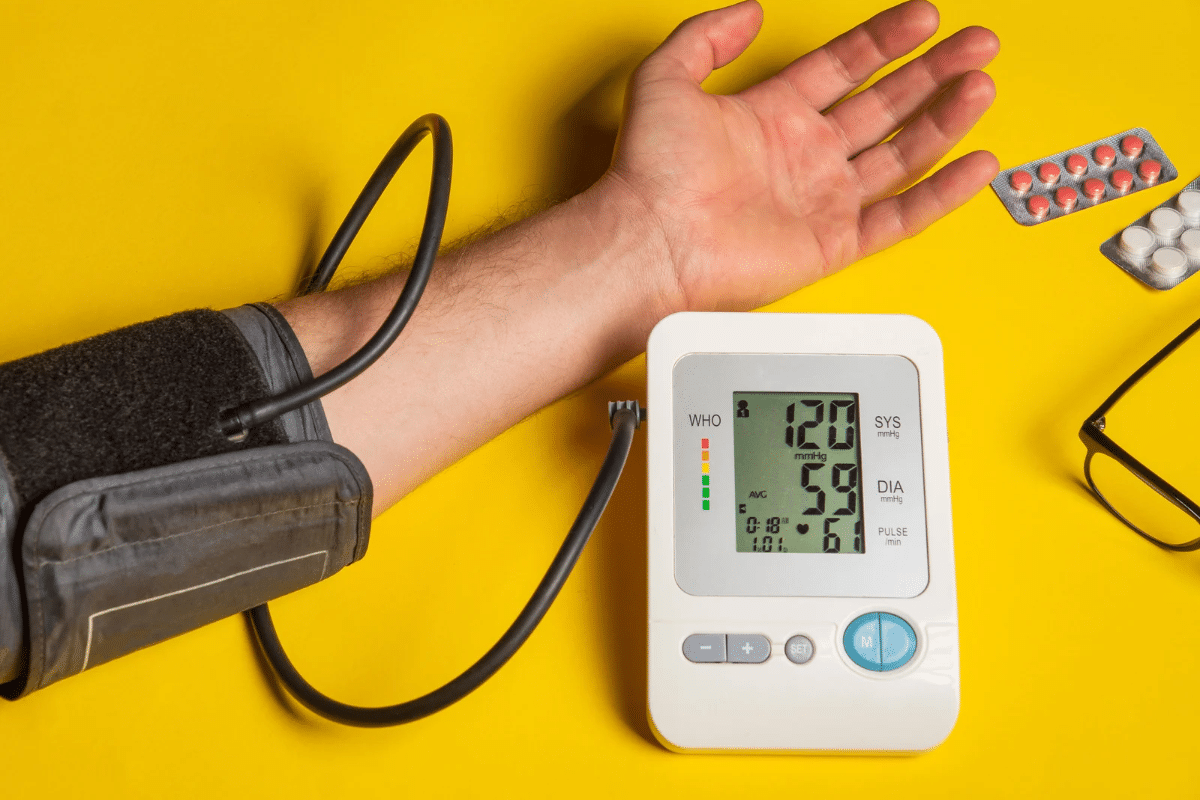
The short answer: no BPM number diagnoses a heart attack
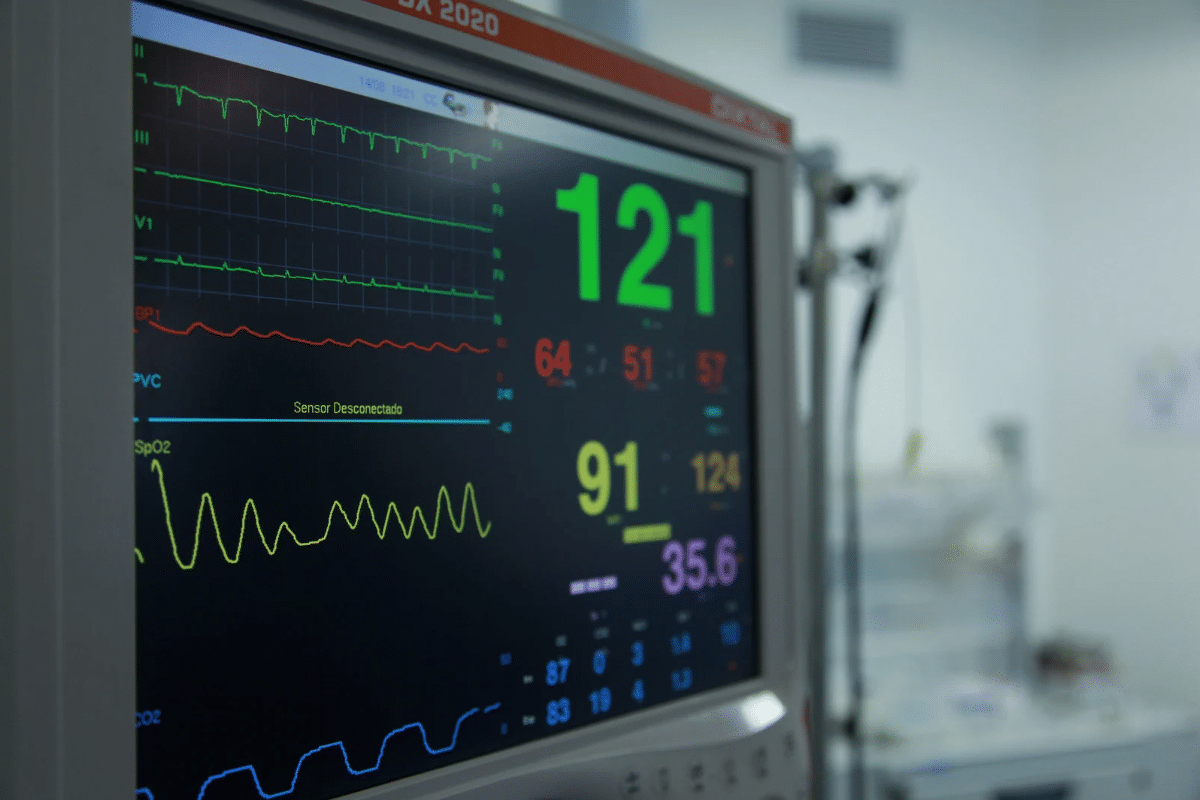
There is no specific heart rate that means a heart attack. During a heart attack your pulse may speed up above 100 bpm, slow down below 60 bpm, become irregular or stay in the normal 60 to 100 range. Beta blockers, the location of the blockage and existing rhythm problems all affect it. Symptoms, not BPM, are the warning sign.
If you are staring at a smartwatch reading right now, this matters. At the BaleDoneen Method, we see too many people who waited because their pulse “looked fine.” A heart attack is a blocked artery, not a rhythm number.
Emergency: Chest pain, pressure or squeezing, shortness of breath, cold sweat, nausea, or pain in the arm, jaw, neck or back? Call 911 now. Do not drive yourself, and do not wait for your heart rate to “confirm” it.
Heart rate ranges explained
| Range | What it means |
| 60 to 100 bpm at rest | Normal resting heart rate for adults |
| 40 to 60 bpm at rest | Often normal in trained athletes |
| Below 60 bpm | Bradycardia (slow heart rate) |
| Above 100 bpm | Tachycardia (fast heart rate) |
| Above 120 to 150 bpm at rest with symptoms | Red flag: get urgent care |
| Below 40 bpm with dizziness or fainting | Red flag: get urgent care |
A high reading on its own, without chest pain or other symptoms, is usually something else. If you want to bring a fast pulse down safely, see our guide on how to lower heart rate immediately at home. If your numbers rise overnight, read why a sleeping heart rate is higher than resting.
What happens to your heart rate during a heart attack
Why it may speed up
Pain and fear release adrenaline, which raises your pulse. When part of the heart muscle stops getting blood, the healthy muscle may beat faster to keep blood moving. A fast rate during a large heart attack can be a sign the heart is pumping poorly.
Why it may slow down
Heart attacks in the lower (inferior) wall of the heart usually involve the right coronary artery. That artery often feeds the heart’s natural pacemaker and electrical pathways. A blockage there can cause bradycardia or heart block, so the pulse drops. Our guide to types of heart attacks and NSTEMI vs STEMI explains how location changes the picture.
Why it may not change at all
Beta blockers keep the heart rate low no matter what. Pacemakers set a fixed rate. And a silent heart attack may cause few symptoms and no change in pulse. If you take rate lowering drugs, our guide to beta blockers vs calcium channel blockers explains how they work.
Is 120, 150 or 200 bpm a heart attack?
Is 120 bpm a heart attack?
Usually not. A pulse of 120 is common with anxiety, caffeine, fever, dehydration or a panic attack. It needs attention if it comes with chest pain, breathlessness or fainting, or if it stays high at rest.
Is 150 bpm a heart attack?
A resting rate of 150 is more often a rhythm problem such as atrial fibrillation or atrial flutter. It needs prompt medical care, especially with symptoms.
Is 200 bpm a heart attack?
A sudden jump to 200 at rest is most often supraventricular tachycardia. Learn the SVT symptoms. It is not usually a heart attack, but it is an emergency if you feel faint, short of breath or have chest pain. If your heart is racing and you feel dizzy and nauseous, get checked.
Heart attack vs. cardiac arrest vs. arrhythmia
| Heart attack | Cardiac arrest | Arrhythmia | |
| What it is | Blocked artery starves heart muscle | Heart suddenly stops pumping | Abnormal heart rhythm |
| Pulse | Fast, slow or normal | None | Fast, slow or irregular |
| Awake? | Usually yes | No, collapses | Usually yes |
| What to do | Call 911 | Call 911, start CPR, use an AED | Urgent care if symptoms |
Read more about sudden cardiac death and arrhythmias like AFib and SVT.
Can a smartwatch detect a heart attack?
No. Watches can flag atrial fibrillation and unusual heart rates, and some record a single lead ECG. But a heart attack is diagnosed with a 12 lead electrocardiogram (ECG) and a blood test for troponin. A normal watch reading can falsely reassure you. Trust your symptoms over your wrist.
Heart attack warning signs that matter more than your pulse
- Chest pressure, squeezing, tightness or fullness
- Pain spreading to the arm, jaw, neck, back or left shoulder
- Shortness of breath, cold sweat, nausea or lightheadedness
- Unusual tiredness or indigestion, especially in women
Women, people with diabetes and older adults often have quieter symptoms. Read about heart attack symptoms in women, whether burping a lot is a sign of a heart attack, and the early signs of heart attack a month before.
Resting heart rate as a long term risk signal
Your heart rate cannot diagnose a heart attack, but it says something about your future risk. Studies link a resting rate that stays above 80 bpm with higher cardiovascular risk. A lower resting rate usually reflects better fitness and a calmer nervous system. The BaleDoneen Method treats a high resting rate as a clue to look deeper, not a diagnosis.
Prevention: find arterial disease before it becomes a heart attack
Most heart attacks happen when plaque inside an artery wall becomes inflamed and ruptures. That process is silent for years, and it does not show up on a heart rate monitor. The BaleDoneen Method looks for it directly with a CIMT scan of the artery wall and testing for arterial inflammation. Our heart attack prevention program builds a plan around what we find.
Do not wait for symptoms. Get your free arterial health risk report from BaleDoneen today.
FAQs
Is a heart rate of 120 a heart attack or a panic attack?
A rate of 120 is far more often anxiety or a panic attack. If you also have chest pressure, pain spreading to the arm or jaw, or a cold sweat, call 911.
Is 200 beats per minute a heart attack?
Usually it is SVT or another fast rhythm, not a heart attack. It still needs urgent care, especially with dizziness or chest pain.
What are the four signs of an impending heart attack?
Chest pressure or pain, shortness of breath, pain in the arm, jaw, neck or back, and cold sweat or nausea.
What is an unsafe heart rate by age?
For adults of any age, a resting rate above 100 or below 60 with symptoms deserves a check. Above 120 to 150 at rest, or below 40 with dizziness, needs urgent care.
Does your heart rate go up or down during a heart attack?
Either, or neither. It often rises from pain and adrenaline, but it can drop with inferior wall heart attacks or stay normal on beta blockers.
What does your pulse feel like during a heart attack?
It may feel fast, slow, irregular or completely normal. The pulse alone cannot tell you, so focus on symptoms.
About the Author: Christine Cooper