Know Your Risk Before It Strikes
Your arteries could be hiding early disease. Find out today.
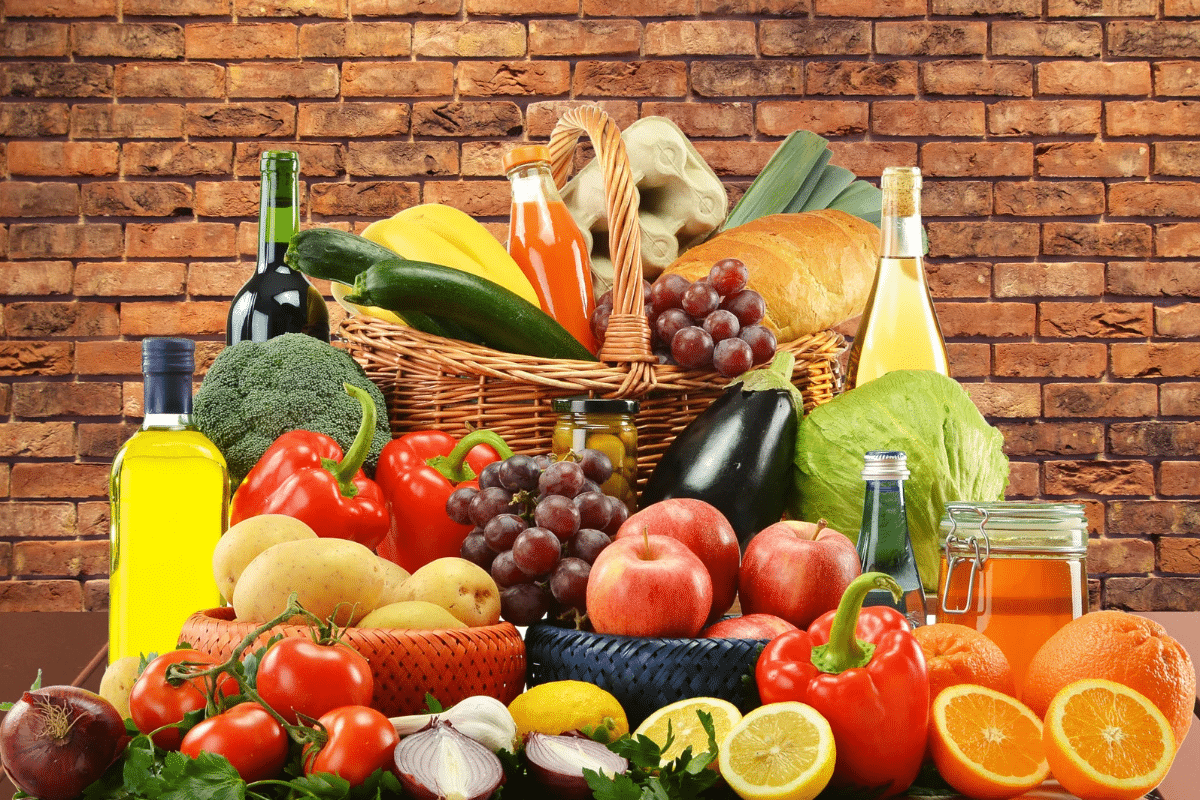
The direct answer: No single food can scrub plaque out of your arteries. But diets rich in soluble fiber, oily fish, extra virgin olive oil, nuts, legumes, leafy greens and berries lower ApoB, blood pressure and inflammation. Clinical trials show these changes can slow, stabilize and sometimes partly reverse plaque, especially alongside exercise and medical care.
Search for foods that clean arteries and you will find long lists promising to “unclog” your heart. The truth is more useful. At the BaleDoneen Method, we look at what food does inside the artery wall, and the right eating pattern can make a measurable difference.
Can food really clean your arteries?
Plaque is not sludge sitting inside a pipe. It is living tissue that grows inside the artery wall, driven by cholesterol carrying particles and inflammation. That is why no food can wash it away. Learn more about plaque buildup in arteries and how it leads to atherosclerosis.
Food can still change what happens to that plaque. In the DIRECT Carotid trial, people on a low fat, Mediterranean or low carb diet saw about a 5 percent drop in carotid plaque volume after two years. In Dr. Dean Ornish’s Lifestyle Heart Trial, 82 percent of the intensive lifestyle group showed regression of coronary narrowing. Food helps most with plaque stabilization, making plaque less likely to rupture.
How food protects your arteries: three mechanisms
The BaleDoneen Method focuses on root causes, and food works on three of them:
- Fewer plaque causing particles. Fiber and healthy fats lower ApoB. Our guide on how to lower ApoB explains why this number matters.
- Less arterial inflammation. An anti inflammatory diet cools the arterial inflammation that makes plaque unstable.
- Better blood sugar and blood pressure. Whole foods improve insulin resistance and help control high blood pressure.
12 foods that help keep arteries clear
1. Oats and barley
Both contain beta glucan, a soluble fiber that binds cholesterol in the gut. About 3 grams a day, roughly a bowl and a half of oatmeal, lowers LDL cholesterol by around 5 to 10 percent.
2. Beans, lentils and chickpeas
Legumes add soluble fiber and plant protein that replaces saturated fat from meat. One serving a day lowers LDL cholesterol and improves blood sugar. Aim for half a cup to one cup daily.
3. Fatty fish: salmon, sardines and mackerel
Omega 3 fats lower triglycerides and calm inflammation. Two servings a week is a good target. They help most if you have high triglycerides.
4. Extra virgin olive oil
In PREDIMED, a Mediterranean diet with extra virgin olive oil or nuts cut major cardiovascular events by about 30 percent. The CORDIOPREV trial found a Mediterranean diet beat a low fat diet at preventing repeat events in people with heart disease. Use 2 to 4 tablespoons a day in place of butter.
5. Nuts, especially walnuts and almonds
A small handful (about 30 grams) a day lowers LDL cholesterol and supports healthy blood vessels. Walnuts also supply plant omega 3.
6. Leafy greens and beets
Spinach, arugula and beets are rich in dietary nitrates, which your body turns into nitric oxide. This relaxes blood vessels, lowers blood pressure and helps reverse endothelial dysfunction. Leafy greens also supply magnesium; see our guide on magnesium for heart health.
7. Berries
Blueberries, strawberries and raspberries are packed with polyphenols that improve blood vessel function and reduce lipid oxidation. One cup a day, fresh or frozen, works well.
8. Flax and chia seeds
Ground flaxseed provides fiber and plant omega 3. In one trial, 30 grams a day lowered blood pressure in people with peripheral artery disease. Add a tablespoon or two to oats or yogurt.
9. Avocado
Avocados supply monounsaturated fat and fiber. Swapping one for a serving of saturated fat helps lower LDL particles.
10. Tomatoes
Tomatoes contain lycopene, an antioxidant linked to lower blood pressure and better vessel health. Cooked tomatoes with olive oil absorb best.
11. Green tea
Two to three cups a day may modestly lower LDL cholesterol and blood pressure. Skip the added sugar.
12. Garlic, turmeric and spices
The evidence here is weaker. Garlic may slightly lower blood pressure, and turmeric has anti inflammatory effects in lab studies. Spices add flavor without salt. If you enjoy heat, read about cayenne pepper for heart health.
Foods that clog arteries: what to limit
| Limit | Why |
| Saturated and trans fats (butter, fatty red meat, fried foods) | Raise LDL and ApoB particles |
| Processed meat (bacon, sausage, deli meat) | Sodium, saturated fat and TMAO |
| Refined carbs and added sugar | Raise triglycerides and insulin resistance |
| Excess alcohol | Raises triglycerides and blood pressure |
| High sodium foods | Raise blood pressure |
The BaleDoneen twist: your mouth and your arteries
Few articles on artery health mention your gums. The BaleDoneen Method has long taught that gum disease and heart disease are linked. High risk oral bacteria can drive inflammation throughout the body. Brushing, flossing and regular dental care belong in any artery protection plan. Our page on oral systemic health covers this in depth.
A sample artery friendly day of eating
| Meal | What to eat |
| Breakfast | Oatmeal with ground flax, blueberries and walnuts; green tea |
| Lunch | Lentil soup, spinach salad with beets, tomatoes and olive oil |
| Snack | A handful of almonds and an apple |
| Dinner | Baked salmon, roasted vegetables, barley, half an avocado |
Beyond food: exercise, sleep, smoking and medication
Food is one part of the plan. Regular activity matters too; see our guide to exercise for heart health. Sleep seven to nine hours, and if you smoke or vape, quitting nicotine is the single biggest step. When diet is not enough, statins and cardiovascular risk explains when medication helps. Many readers also ask how to clear blocked arteries without surgery; food is where that starts.
How to know whether it is working
You cannot feel plaque change, so you need to measure it. Retest ApoB and inflammation markers such as CRP levels after 8 to 12 weeks. A CIMT scan shows the artery wall itself, so you can see whether plaque is growing, stable or shrinking over time. Our guide to the CIMT test explains how it works, and home checks have limits, as our post on how to check heart blockage at home explains.
See what is actually in your arteries. Book a BaleDoneen CIMT review or start with your free arterial health risk report.
FAQs
What is the number one food to clean arteries?
No single food does it, but oats and other soluble fiber foods have the strongest evidence for lowering the particles that build plaque.
Can you reverse plaque buildup in your arteries?
Partly, in some people. Trials show diet, exercise and medication can shrink plaque a little and make it more stable.
Can blocked arteries be cleared naturally?
Severe blockages cannot be cleared with food alone. Diet can slow growth and stabilize plaque, but a blocked artery causing symptoms needs medical care.
What should you not eat if you have clogged arteries?
Limit saturated and trans fats, processed meat, added sugar, refined carbs, excess alcohol and salty foods.
What are early signs of clogged arteries?
Often there are none. When signs appear, they include chest pressure with exertion, shortness of breath and leg pain when walking. Testing finds disease earlier.
Do apple cider vinegar or lemon water clean arteries?
No. There is no good evidence that either removes plaque.
About the Author: Christine Cooper