Know Your Risk Before It Strikes
Your arteries could be hiding early disease. Find out today.
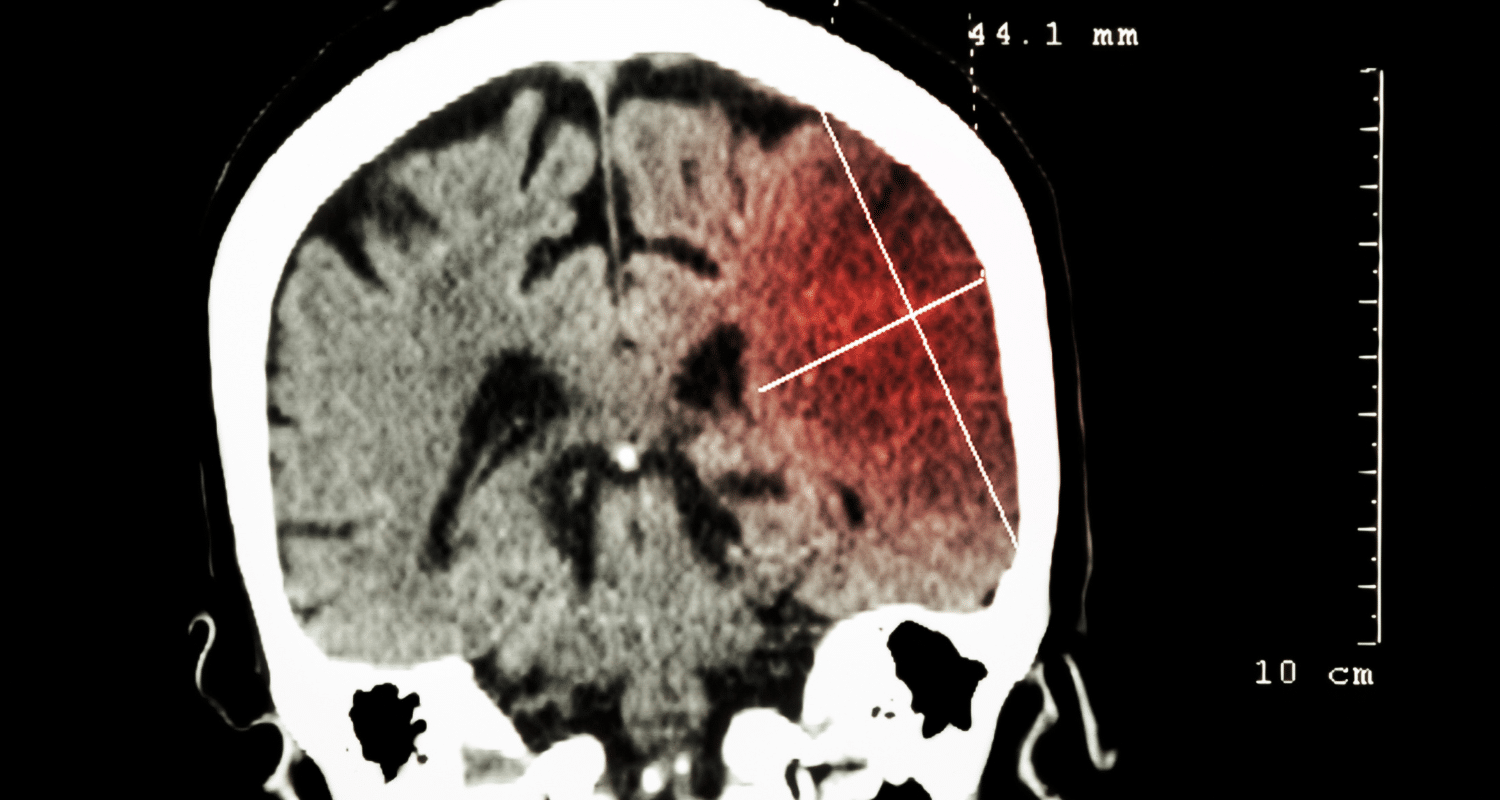
A transient ischemic attack, often called a mini stroke, is a medical emergency. The symptoms may disappear within minutes, but the underlying cause may still be present. And because there’s no reliable way to tell at home whether the symptoms come from a TIA or a full stroke, you should call emergency services immediately, even if you begin to feel normal again.
This guide covers practical, evidence-based steps for reducing your stroke risk after a TIA, what the medical evaluation may involve, and when new or returning symptoms mean you need emergency help again.
This content is for informational purposes only and isn’t a substitute for medical advice. Never start, stop, or change an antiplatelet medication, anticoagulant, blood pressure medication, or cholesterol medication without speaking to your doctor first.
Why Is Stroke Risk Higher After a TIA?
A TIA causes temporary stroke-like symptoms without evidence of an acute brain infarction on imaging. The symptoms often disappear within minutes or hours, but you can’t tell from the symptoms alone whether you’re having a TIA or a full stroke. That requires emergency medical evaluation and brain imaging.
Whatever caused the episode, whether it was narrowing in an artery, an irregular heart rhythm, or another vascular problem, may still be present after the symptoms disappear. That’s why a suspected TIA needs emergency attention rather than a routine appointment later.
The risk of a stroke within 90 days after a TIA may be as high as 17.8%, with almost half of those strokes occurring within the first two days. Individual risk varies, but the message is clear: early evaluation and treatment matter.
How to Prevent Stroke After TIA
1. Take Your Prescribed Medications
Treatment often begins quickly after a TIA because the risk of a stroke is highest during the first several days. Depending on the cause found during your evaluation, your doctor may prescribe:
- Antiplatelet medications, which help prevent platelets from clumping together and forming clots
- Anticoagulants, particularly if atrial fibrillation or another relevant heart rhythm problem is identified
- Blood pressure medications
- Cholesterol-lowering medications
Some people with a high-risk TIA are prescribed two antiplatelet medications for a short period before moving to a single medication for longer-term treatment. This approach isn’t appropriate for everyone and can increase bleeding risk, so the medication and duration must be chosen by a healthcare professional.
Take every medication exactly as prescribed. Never stop, start, or change one without speaking to your doctor, even if you feel completely fine.
2. Keep Your Blood Pressure Under Control
High blood pressure is one of the leading controllable risk factors for stroke. Over time, it can damage artery walls and increase the risk of both blocked and ruptured blood vessels. Our full blood pressure guide explains this connection in more detail.
Regular monitoring matters because high blood pressure often causes no noticeable symptoms. Follow the treatment plan and blood pressure target set by your healthcare provider. Your plan may include medication, lifestyle changes, or both, depending on your readings, medical history, and other risk factors.
3. Manage Cholesterol and Blood Sugar
High LDL cholesterol can contribute to the plaque buildup involved in atherosclerosis. Plaque can narrow arteries or contribute to clots that cause TIAs and strokes. Our cholesterol management guide covers testing and treatment in more detail.
Diabetes and blood sugar control also matter. High blood sugar can damage blood vessels over time and add to overall stroke risk. This is closely connected to insulin resistance, which may be worth discussing with your doctor if you haven’t already been screened. Regular testing and following your prescribed treatment plan can support long-term vascular health.
4. Eat a Stroke Healthy Diet
A diet built around vegetables and leafy greens, fruits, whole grains, beans and legumes, nuts and seeds, and fish or other healthy protein sources can support vascular health. Limiting excess sodium, highly processed foods, saturated fat, and added sugar can also help. Our heart healthy nutrition guide covers practical ways to build meals around these principles.
Plant-rich eating patterns have been associated with a lower overall risk of stroke. No single food or diet can guarantee prevention, but a consistent eating pattern can help manage blood pressure, cholesterol, blood sugar, and weight.
5. Exercise Regularly
Physical activity can support blood pressure, cholesterol, blood sugar, weight, and cardiovascular health. A general goal for many adults is around 150 minutes of moderate activity each week, but your doctor can help you decide when it’s safe to begin and what level is right for you after a TIA.
Start gradually if you’ve been inactive. Our exercise and heart health guide offers general information, while your doctor or physical therapist can help you choose activities based on your health and abilities.
Symptoms from a TIA should resolve. If weakness, poor coordination, numbness, or balance problems continue or return, call emergency services immediately rather than beginning an exercise program.
6. Stop Smoking and Limit Alcohol
Smoking damages blood vessels and makes blood more likely to clot, which increases stroke risk. Quitting can provide meaningful cardiovascular benefits, and structured support may make the process easier. Our guide on smoking and cardiovascular risk covers available support in more detail.
Excessive alcohol intake can raise blood pressure and affect other stroke risk factors. If you drink, ask your doctor what amount, if any, is appropriate based on your medications and medical history.
7. Address the Cause of the TIA
This step matters just as much as lifestyle changes, and sometimes more. Prevention depends heavily on treating the cause identified during your evaluation. Possible causes include:
- Carotid artery disease, where plaque in a neck artery can narrow blood flow or release material that travels to the brain
- Atrial fibrillation or other heart-related conditions that can allow clots to form and travel to the brain
- Atherosclerosis, the buildup of plaque throughout the arterial system
- Small-vessel disease
- Blood-clotting disorders
- Other conditions identified during the medical evaluation
- An unknown cause, even after testing
Someone with significant carotid artery narrowing may need to be evaluated for a procedure in addition to medication. Someone with atrial fibrillation may need an anticoagulant if it’s appropriate for their individual risk. This is why the diagnostic evaluation after a TIA matters so much. Lifestyle changes support vascular health, but they can’t replace treatment directed at the underlying cause.

What Medical Tests May Be Needed After a TIA?
A suspected TIA should be evaluated as an emergency. Not everyone needs every test listed here, so the medical team will choose tests based on the symptoms, history, examination, and initial findings. Common evaluations include:
- Blood pressure measurement
- Blood tests, including cholesterol and blood sugar levels
- Brain imaging, such as an MRI or CT scan
- Carotid artery imaging to check for narrowing in the neck arteries
- An ECG or heart rhythm monitoring test to screen for atrial fibrillation
- An echocardiogram when there’s concern about a heart-related cause
- Extended heart rhythm monitoring when intermittent atrial fibrillation is suspected but doesn’t appear during the initial ECG
This evaluation often begins in the emergency department. An MRI may be recommended within 24 hours, although the timing and availability of specific tests can vary. Because stroke risk is highest soon after a TIA, the evaluation shouldn’t be delayed.
What Should You Avoid After a TIA?
- Smoking
- Stopping or changing prescribed medication without medical guidance
- Ignoring elevated blood pressure readings
- Excessive alcohol intake
- A sedentary lifestyle
- Poorly controlled diabetes
- Delaying follow-up appointments
- Assuming you’re safe simply because your TIA symptoms disappeared
Symptoms disappearing doesn’t prove that the underlying cause has resolved. It also doesn’t confirm whether the episode was a TIA or a stroke. Only a medical evaluation can determine what happened and what treatment may be needed.
Can You Have a Stroke After a TIA?
Yes. A TIA can be followed by a full stroke, which is why it’s treated as a medical emergency rather than a wait-and-see situation.
Individual risk depends on the underlying cause and factors such as age, diabetes, high blood pressure, and the symptoms experienced. The risk is highest during the first two days after a TIA, so call emergency services immediately when symptoms begin, even if they disappear.
When Should You Seek Emergency Help?
New or returning stroke symptoms always require emergency medical attention, even if they disappear. Use the FAST method to recognize several common signs:
- F – Face: One side of the face may droop or look uneven when the person smiles.
- A – Arms: One arm may feel weak or numb or drift downward when both arms are raised.
- S – Speech: Speech may sound slurred, confused, or difficult to understand.
- T – Time: Call emergency services immediately.
Other symptoms can include sudden vision problems, severe dizziness, loss of balance or coordination, or a sudden severe headache with no known cause. Our full warning signs guide covers these symptoms in more detail.
There’s no reliable way to tell whether the symptoms represent another TIA or a full stroke. Call emergency services immediately, even if you aren’t sure or the symptoms begin to improve.
Frequently Asked Questions
How can I prevent a stroke after a TIA?
Emergency medical evaluation is the first step after a suspected TIA. After that, taking prescribed medications, managing blood pressure, cholesterol, and blood sugar, making supportive lifestyle changes, and treating the identified cause can work together to lower your stroke risk.
How soon after a TIA can a stroke happen?
Risk is highest in the first two days after a TIA, though it can happen at any point afterward, which is why urgent evaluation and ongoing risk factor management both matter.
What should you avoid after a TIA?
Avoid smoking, stopping or changing prescribed medications without medical guidance, ignoring high blood pressure, excessive alcohol intake, inactivity, poorly controlled diabetes, and delaying follow-up care.
Can lifestyle changes prevent another stroke after a TIA?
Lifestyle changes meaningfully lower risk and work best alongside, not instead of, any prescribed medical treatment targeting the specific cause of your TIA.
What foods should you eat after a TIA?
A plant-rich diet built around vegetables, fruits, whole grains, beans, nuts, and fish can support vascular health. Limiting excess sodium, saturated fat, and added sugar may also help manage several stroke risk factors.
Should you take aspirin after a TIA?
Many people are prescribed an antiplatelet medication, sometimes aspirin, after a TIA. However, the right medication and dose depend on the diagnosis, bleeding risk, other medications, and underlying cause. Don’t start aspirin on your own, including during possible stroke symptoms, because some strokes involve bleeding and aspirin could make them worse.
Can exercise reduce stroke risk after a TIA?
Regular physical activity can support blood pressure, cholesterol, blood sugar, weight, and cardiovascular health. Ask your doctor when it’s safe to begin and what level of activity is appropriate for you.
How long does stroke risk remain high after a TIA?
Stroke risk is highest during the first two days after a TIA and remains elevated during the following days and weeks. Long-term risk varies based on the cause and other health factors, so medication, follow-up care, and risk factor management remain important after the initial period.
About the Author: Christine Cooper