Know Your Risk Before It Strikes
Your arteries could be hiding early disease. Find out today.

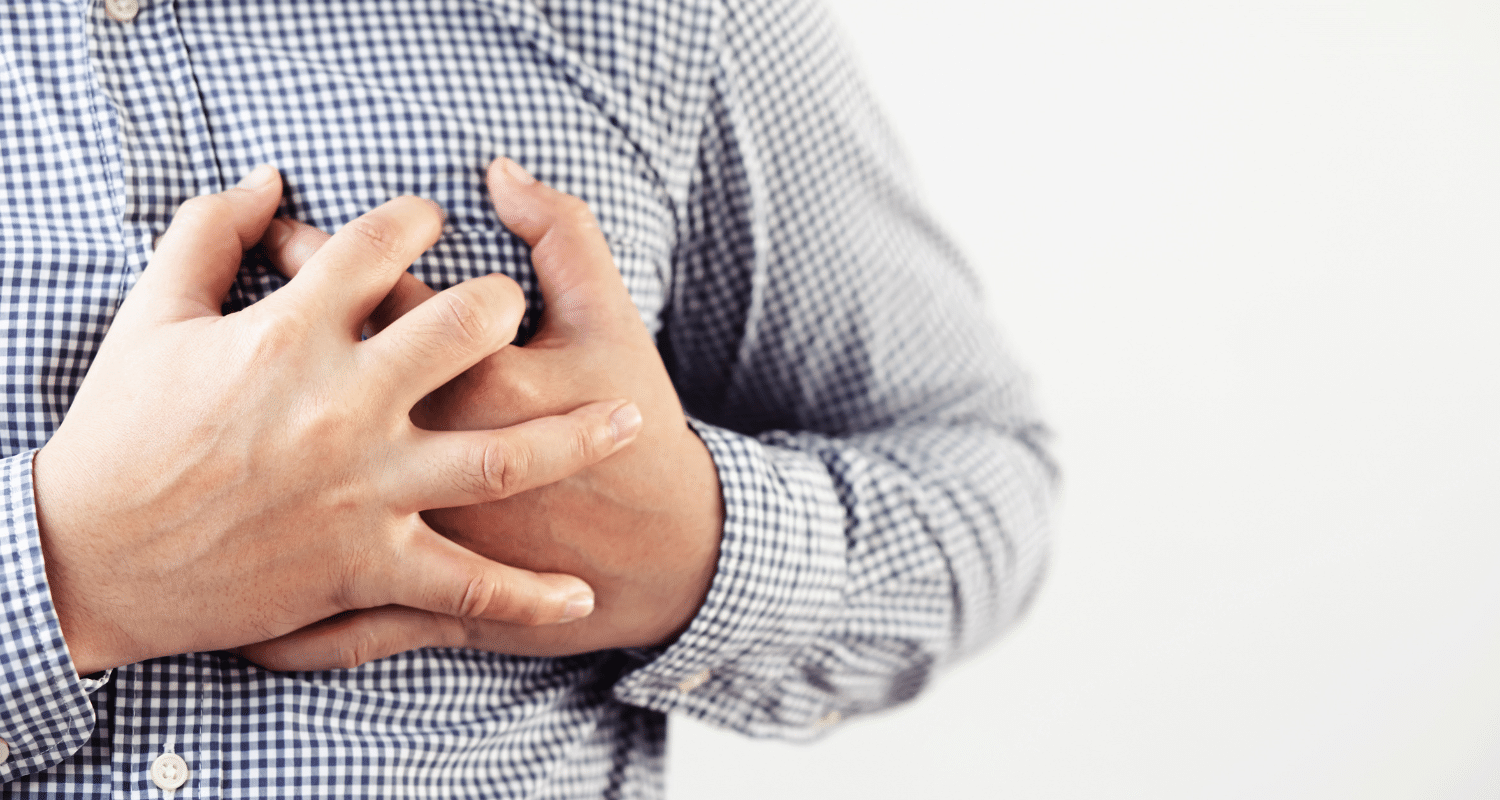
Waking in the night with a pounding heart is frightening. Most people who experience anxiety know this uncomfortable feeling, which is commonly described as heart palpitations. They can be associated with heart conditions, but they are also a common symptom of anxiety, especially at night, when your mind is quiet but your body feels on high alert. Stopping heart palpitations due to anxiety at night isn’t just about slowing your heart, but about understanding the causes to prevent them.
Anxiety can take a serious toll on your body. When you’re anxious, your body releases stress hormones, including adrenaline and cortisol. These chemicals prime your body to react to a threat, but they can also cause you to become overly aware of your heartbeat. This level of awareness can create a cycle of anxiety and palpitations: the more aware you become of your heartbeat, the more anxious you may feel, and the stronger your palpitations feel. For some, this cycle is especially noticeable at night, when distractions are few and sensations feel magnified.

What Are the Cardiac Anxiety Symptoms
Before we get to the fix, let’s cover what you could be experiencing. Cardiac anxiety often causes a racing heart, palpitations, fluttering, or a heavy thudding sensation. These symptoms can feel similar to those of very serious heart trouble, which is why people with anxiety sometimes end up in the emergency room. The more a doctor can rule out heart disease, the clearer it becomes that anxiety is the likely cause. Recognizing these palpitations as a response to anxiety is the first step to regaining control.
How to Stop Palpitations Immediately
Lying awake with a pounding heart can be stressful. It’s not always easy, of course, to suddenly stop palpitations, but certain methods can help calm your nervous system and slow down your heart rate.
One of the most powerful is deep breathing. Taking slow, deep breaths tells your body that it’s okay to be in a state of relaxation and activates the parasympathetic nervous system.
A common technique is to breathe in for four beats, pause for four, breathe out for six, and wait a moment before taking the next breath. You might find that this mindful breathing can help lower adrenaline levels and calm palpitations.
Another option is vagus nerve stimulation. The vagus nerve influences heart rate, and stimulating it can sometimes quell palpitations. You can accomplish this by splashing your face with cold water, humming, or coughing softly. This sends soothing signals to your heart, which offers a natural way to break the cycle of anxiety-induced palpitations.
Lifestyle Choices That Influence Palpitations
Quick fixes may help in the moment, but they’re not the best long-term strategy. Anxiety tends to thrive on certain lifestyle habits, and by making tweaks, we can decrease the frequency as well as the intensity of these palpitations.
One major factor is diet. There are certain foods to avoid if you experience palpitations, especially stimulants. Too much caffeine, found in coffee, tea, energy drinks, and even chocolate, is well known for causing palpitations. Salty snacks and processed foods high in sugar can also strain the heart. Alcohol, while providing an initial sense of relaxation, typically interferes with sleep and exacerbates nocturnal anxiety.
Staying well-hydrated helps keep the heart’s rhythm in check. Dehydration can aggravate palpitations, so it’s essential to drink water throughout the day, especially before bed.
Smoking cessation
Abstaining from smoking is another important step. Nicotine is a stimulant, meaning that it raises heart rate and blood pressure, making both anxiety and palpitations worse. Quitting smoking not only protects your heart but also makes stress easier to manage. Quitting or moderating alcohol also helps ease stress.
Regular Exercise
Exercising regularly is one of the best natural ways to relieve anxiety-induced palpitations. Movement lowers stress hormones and triggers the release of hormones that create a sense of calm; however, timing matters. Vigorous workouts close to bedtime can exacerbate palpitations, so consider opting for morning exercise instead. Maintaining a healthy weight and engaging in regular exercise also promotes heart health, thereby reducing the likelihood of palpitations.
Relaxation and Stress Management Techniques
And because palpitations are often born of stress or anxiety, good relaxing techniques can make a difference. What we do know is that meditation can be one of the most powerful exercises to calm both mind and body. Even a few minutes of mindfulness meditation before bed can quiet racing thoughts and help relax the body for sleep.
Yoga
Yoga combines gentle movement, breathwork, and mindfulness, making it especially effective for anxiety-related palpitations. Yoga practiced consistently increases flexibility, relieves stress and tension, and ultimately help balance the nervous system. For many people, restorative poses before bed, such as legs up the wall or child’s pose, can help relax the body and calm palpitations.
Cognitive Behavioral Therapy
If you experience chronic anxiety, check out Cognitive Behavioral Therapy (CBT). This method, based on evidence, enables people to recognize and change thoughts that lead to anxiety. If you spiral because you believe palpitations bode a heart attack, say, like many do with arrhythmias, CBT can help you reframe those thoughts and break the cycle of fear. Therapy may, over time, make the nighttime palpitations less scary and less common.
Journaling
Journaling is another helpful strategy. Writing down worries can reduce mental burden and lower the chance of nighttime palpitations, especially journaling before bed can ease a racing mind.
Sleep Hygiene
Anxiety at night is often connected to sleep hygiene. Good sleep hygiene can also take you a long way in helping you align with your body’s natural sleep-wake schedule. Maintaining a regular sleep and wake time helps to regulate your biological clock by going to bed the same time every night and waking up the same time each morning, or using some version of this rhythm. Being consistent with your sleep time trains your body to rest at the same hour. Keeping a similar routine before bedtime can signal to our nervous system that it’s time to quiet down as well.
Creating a Sleep-Friendly Routine
Stay off screens for at least an hour before bed; the blue light from phones and computers disrupts melatonin levels. Instead, unwind with calming activities such as reading, taking a hot bath, or practicing gentle stretches. A dark, quiet, and cool atmosphere is most conducive to sleep if you’re disturbed by outside noise, try white noise machines or calming background sounds.
It may sound helpful, but trying to get more sleep can also be soothing for palpitations. Studies show chronic sleep deprivation raises anxiety and makes the heart more sensitive to stress hormones. Sufficient amounts of rest allow your nervous system to return to equilibrium so you are less likely to wake up with a pounding heart.
When to Consider Medication
Occasionally, lifestyle adjustments and stress management techniques are not enough. However, if palpitations are intense, frequent, or disruptive, you may need to talk with your doctor. Anxiolytics, beta-blockers, or antidepressants are sometimes used to treat symptoms. But medication should be considered one element of an overall treatment approach that also includes healthy lifestyle behaviors and stress management.
Final Thoughts
Learning how to stop heart palpitations from anxiety is about calming your body in the moment, and in the long run, it is all about addressing the root of your anxiety. From deep breathing to meditation, stress-management programs, and lifestyle changes like quitting smoking, avoiding stimulants, hydrating, and maintaining a healthy weight, you can do a lot over time to reduce nighttime palpitations. Others may need Cognitive behavioral therapy CBT (Cognitive behavioral therapy) or medication to provide sustained relief.
The road toward quieter nights and steadier heartbeats takes patience, but every step you take helps retrain your body and brain to respond more peacefully. If anxiety-induced palpitations are affecting your quality of life, take comfort in the fact that you’re not alone, and with a little patience (and some good sleep practices), peace is possible.
At BaleDoneen, we are committed to delivering whole-body solutions for heart and blood vessel health, enabling people to address not just physical but also emotional aspects of wellness.
FAQs
How to calm a racing heart from anxiety?
Slow, deep breaths, grounding exercises, and splashing cold water on your face can all help you quickly calm a racing heart and activate your vagus nerve to soothe your nervous system.
How do you deal with heart anxiety?
Treating heart anxiety includes realizing that palpitations are usually benign, practicing relaxation exercises such as meditation or yoga, and seeking out therapy like CBT if symptoms persist.
How to reduce palpitations naturally?
Staying well-hydrated (with seltzer or water), avoiding stimulants such as caffeine, alcohol, and nicotine, eating a balanced diet, and regular exercise are all great ways to take care of your body.
Why do I get heart palpitations when I lie down at night?
As you lie down, you become more aware of your heartbeat in the silence, and anxiety or digestive issues can amplify this awareness, which is why palpitations can feel stronger at night.
About the Author: Randy Kembel