Know Your Risk Before It Strikes
Your arteries could be hiding early disease. Find out today.

If you lie on your left side at night and suddenly hear or feel your heartbeat, it is natural to wonder if you are putting strain on your heart. The short answer: for most healthy adults, sleeping on the left side is not bad for the heart. It does change the heart’s position and electrical readings a little, and some people with existing heart disease find it uncomfortable. Here is what the research shows and what matters far more for your heart at night.
The short answer
There is no good evidence that left-side sleeping causes heart disease, heart attacks or arrhythmias in healthy people. The changes researchers have measured are small and harmless shifts in how the heart sits in the chest. The exception is people with heart failure or an enlarged heart, who often feel more short of breath on the left side and tend to avoid it on their own.
What happens to your heart on your left side
Your heart sits slightly left of center and is held loosely in place. When you lie on your left side, gravity lets it shift and rotate toward the mattress. A 2018 study of healthy sleepers found that this movement changed the shape of the electrocardiogram (ECG) tracing. On the right side, the heart is held more firmly by the tissue around it, and the ECG barely changed.
A change in an ECG tracing is not damage. It reflects where the heart sits relative to the sensors. It does not mean the heart is working harder or getting less blood.
In fact, large overnight monitoring studies suggest the opposite for heart rate. A 2025 analysis of more than 270,000 home ECG recordings found that heart rate was usually lowest in the left side position and highest on the right side.
Why you feel your heartbeat on your left side
When you lie on your left, the heart moves closer to the chest wall. Each beat can then thump against the mattress, and you may hear your pulse in your ear on the pillow. This is a normal sensation, not a sign of disease.
See a doctor if the beat feels fast, irregular or skipping, or comes with dizziness or breathlessness. Those can point to atrial fibrillation or another tachycardia, which are worth treating because they raise stroke risk.
Who should avoid sleeping on the left side
People with heart failure. A study in the Journal of the American College of Cardiology followed 75 patients with congestive heart failure and found they naturally avoided the left side during sleep. Researchers think lying left may make breathing feel harder when the heart is enlarged. If this is you, follow your body. The right side or propped up on pillows is often easier.
People with a new pacemaker or defibrillator. These devices are usually placed under the left collarbone. Your care team may ask you to avoid that side for a few weeks while the wound heals.
Anyone who feels worse there. If the left side brings palpitations, chest pressure or shortness of breath, switch sides and mention it to your doctor.
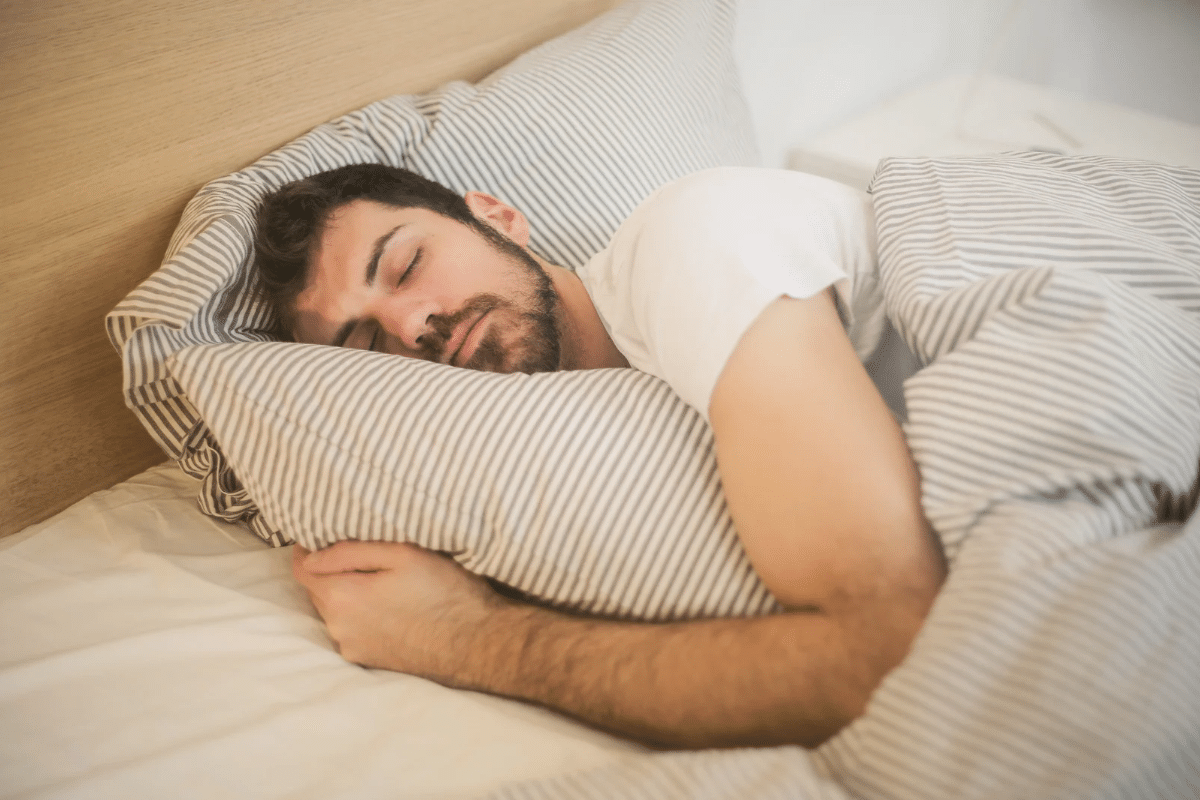
Benefits of left-side sleeping
The left side has real upsides for many people:
- Acid reflux. A 2022 study found less acid exposure and faster clearing of the esophagus on the left side compared with the right.
- Pregnancy. In later pregnancy, left-side sleeping takes pressure off the large vein that returns blood to the heart.
- Snoring and sleep apnea. Any side position keeps the airway more open than lying on your back.
Best sleeping position for heart health
| Situation | Best position | Why |
| Healthy heart | Any side you find comfortable | No position harms a healthy heart |
| Heart failure or enlarged heart | Right side or head raised | Often eases breathlessness |
| Sleep apnea or heavy snoring | Either side, not on the back | Keeps the airway open |
| Acid reflux | Left side | Less acid reaching the esophagus |
| New pacemaker or ICD | Opposite side to the device | Protects the healing site |
| Late pregnancy | Left side | Better blood return to the heart |
What matters more than your sleep position
How long and how well you sleep affects your arteries far more than which side you sleep on. The American Heart Association added sleep to its Life’s Essential 8 measures of heart health. Adults need about seven to nine hours.
The biggest nighttime threat to the heart is untreated sleep apnea. Every pause in breathing drops oxygen and spikes stress hormones. Over years, that raises high blood pressure, inflammation in the artery walls and the risk of AFib and stroke. Loud snoring, gasping, morning headaches and daytime sleepiness are reasons to ask for a sleep study.
Short or broken sleep also raises insulin resistance and inflammation. Our guide to sleep issues and heart health covers practical fixes. A rising resting heart rate on your watch can be an early sign that sleep or stress is wearing on your system.
At BaleDoneen, we treat poor sleep as one of the root causes of arterial disease, alongside genetics, insulin resistance and oral health. If you want to know whether disease is already forming in your arteries, start with our free heart disease risk assessment. It also feeds into our plans to prevent stroke and heart attack.
FAQs
Is sleeping on your left side bad for your heart?
For healthy people, no. The heart shifts slightly and the ECG tracing changes, but this does not harm the heart. People with heart failure often feel more breathless on the left side and may sleep better on the right or with the head raised.
What is the best sleeping position for heart patients?
It depends on the condition. People with heart failure usually do best on the right side or propped up. People with sleep apnea should avoid sleeping on their back. Those with a new pacemaker should avoid lying on the device side while it heals.
Why can I hear my heartbeat when I lie on my left side?
On the left side, the heart moves closer to the chest wall, so each beat is easier to feel and hear, especially with your ear on a pillow. This is normal. A fast, irregular or skipping beat is different and should be checked.
Does sleeping on the left side put pressure on the heart?
Not in a harmful way. The heart is cushioned and can move a little within the chest. Studies show a change in its position and electrical readings, not reduced blood flow. Heart rate is often lowest on the left side.
What is the best sleeping position for heart palpitations?
Try the right side or your back if palpitations bother you on the left, since the beat feels less forceful there. Position does not cause or cure arrhythmias. Frequent palpitations deserve an ECG or a wearable heart monitor to find the cause.
About the Author: Christine Cooper