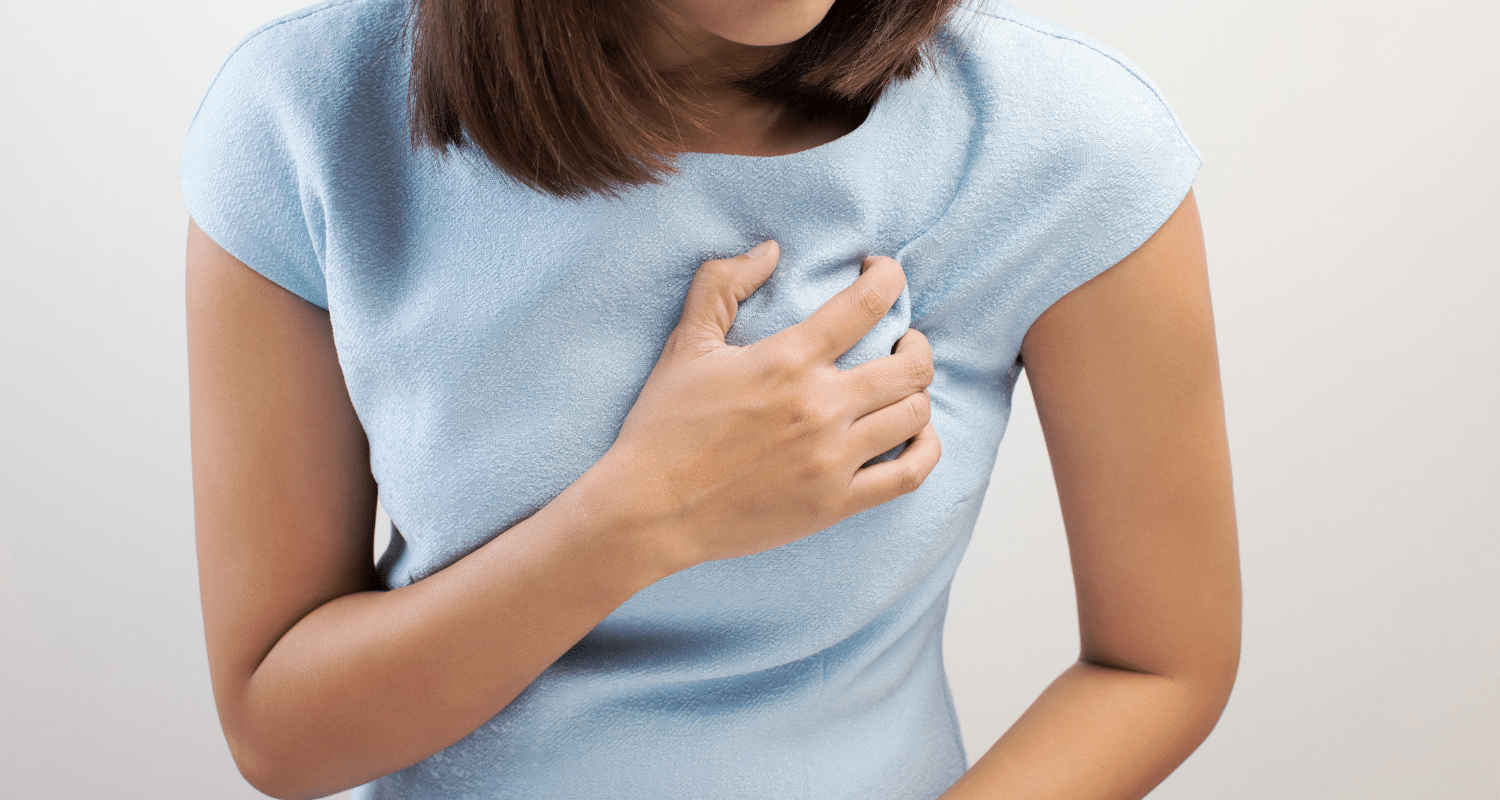
Know Your Risk Before It Strikes
Your arteries could be hiding early disease. Find out today.

A heart stress test shows how well your heart works when it is pushed harder than normal. Many heart conditions are invisible when you are sitting still. They only appear when your heart rate rises and your body needs more blood flow.
This guide explains what a cardiac stress test is, who may need one, the four main types, how to prepare, what happens during the test, and what your results mean. If you have been referred for testing or have heart symptoms, this is a good place to start.
What Is a Heart Stress Test?
A Stress Test Shows What a Resting ECG Cannot
A cardiac stress test measures how your heart responds to increased physical demand. It tracks heart rate, blood pressure, oxygen levels, and electrical activity while your heart is working harder. A standard resting ECG only captures a snapshot of your heart at rest, which is often not enough to detect a problem.
The test helps answer three core questions:
- How well does the heart pump blood during activity?
- Is the heart getting enough blood supply when it works harder?
- Are symptoms like chest pain, dizziness, or shortness of breath caused by the heart?
Who Needs a Heart Stress Test?
Your Doctor May Recommend a Stress Test If You Have These Symptoms
Doctors order cardiac stress tests for several reasons. Symptoms that commonly lead to testing include:
- Chest pain or angina: pain that worsens with activity and improves at rest
- Shortness of breath during activity: difficulty breathing during everyday tasks
- Irregular heartbeat: palpitations or a racing heart that may point to arrhythmia
- Dizziness or lightheadedness: episodes of faintness during or after physical activity
- Unexplained fatigue: unusual tiredness during tasks that were easy before
Doctors also use the test for other purposes:
- Checking whether a heart treatment is working
- Assessing heart strength before a planned surgery
- Screening patients with diabetes, high blood pressure, or high cholesterol
- Evaluating risk in high-stakes occupations such as commercial pilots or professional athletes
The 4 Main Types of Heart Stress Tests
Exercise Stress Test (Treadmill or Stationary Bike)
This is the most common type. You walk on a treadmill or pedal a stationary bike while an ECG monitors your heart activity. The speed and incline increase gradually every few minutes. It is usually the first test used for patients with symptoms such as coronary artery disease or chest pain who are able to exercise.
Stress Echocardiogram
This test adds ultrasound imaging to the standard exercise test. A technician takes images of the heart before and immediately after exercise. It gives a clearer picture of how heart muscle and valves are performing. Doctors often order it when the standard test results are unclear.
Nuclear Stress Test
A nuclear stress test uses a small, safe amount of radioactive tracer to create detailed images of blood flow to the heart. Pictures are taken at rest and after exercise. A cardiologist compares the two sets of images to identify areas where blood flow is reduced. This test is particularly useful for detecting blocked arteries and determining whether previous treatments such as stents are still working.
Pharmacologic (Chemical) Stress Test
Some patients cannot walk on a treadmill because of mobility limitations, arthritis, or severe lung disease. In these cases, medication is given through a vein in the arm to simulate the effects of exercise on the heart. Heart monitoring is otherwise the same as during a standard exercise test. This allows patients who cannot physically exercise to still be evaluated safely.

How to Prepare for a Cardiac Stress Test
Good preparation helps produce accurate results. Some substances can affect heart rate and interfere with the test. Follow your doctor’s instructions and use this as a general guide.
Do:
- Fast for several hours before the test (confirm timing with your doctor)
- Wear comfortable, lightweight clothing and sturdy walking shoes
- Bring your inhaler if you use one for asthma or breathing issues
- Bring a glucose monitor if you have diabetes to check levels before and after
Do Not:
- Consume caffeine (coffee, tea, energy drinks, soda) for at least 24 hours before the test
- Smoke or use tobacco products on the day of the test
- Take beta-blockers or certain medications without checking with your doctor first
- Eat a heavy meal within 2 to 3 hours of the test
- Do strenuous exercise the day before the test
What Happens During a Treadmill Stress Test?
Here is what typically happens during a standard exercise stress test. You are monitored continuously from start to finish. You can stop the test at any time if you feel uncomfortable.
- Resting measurements: A technician records your resting heart rate and blood pressure
- Electrodes are attached: Small sticky pads are placed on your chest and sometimes your arms and legs. They connect to an ECG machine that tracks your heart’s electrical activity
- You begin exercising: The treadmill starts at an easy walking pace. The speed and incline increase gradually every few minutes
- Ongoing monitoring: The medical team checks how you are feeling and watches your ECG and blood pressure in real time
- Target heart rate reached: The exercise portion usually lasts 10 to 15 minutes and ends once you reach your target heart rate
- Recovery monitoring: You are monitored for about 15 minutes after exercise while your heart rate returns to normal
The test stops early if you experience any of the following:
- Chest pain or tightness
- Severe shortness of breath
- Dizziness or near-fainting
- Abnormal blood pressure readings
- Extreme fatigue
How Long Does a Heart Stress Test Take?
The exercise portion is typically short. Total appointment time varies by test type.
| Test Type | Exercise Duration | Total Appointment |
| Standard Exercise Stress Test | 10 to 15 minutes | ~45 minutes |
| Stress Echocardiogram | Under 15 minutes | ~1 hour |
| Nuclear Stress Test | Under 15 minutes | 3 to 4 hours |
| Pharmacologic Stress Test | No exercise | 30 to 60 minutes |
What Do Stress Test Results Mean?
Your cardiologist will interpret results in the context of your full health history. An abnormal result does not always mean serious disease.
Normal Results
- The heart pumps blood efficiently and receives adequate blood supply during activity
- Symptoms are not likely caused by a heart problem and may need evaluation elsewhere
- The heart is strong enough for planned surgery or a new exercise program
Abnormal Results
- May indicate coronary artery disease or reduced blood flow to part of the heart muscle
- Mild findings often lead to lifestyle changes and medication adjustments first
- More significant findings may lead to a coronary angiogram, nuclear stress test, or cardiac catheterization
Is a Cardiac Stress Test Safe?
Exercise stress tests are considered safe when performed on appropriate patients. A trained exercise physiologist and cardiologist monitor the test from start to finish. Complications are rare, and if they occur, the medical team responds immediately.
Possible complications, though uncommon, include:
- A temporary drop in blood pressure
- Brief irregular heart rhythms that usually correct on their own after exercise stops
- Heart attack, which is very rare
Some patients should not have the test at all. These include people with:
- A recent heart attack
- Severe aortic stenosis (narrowing of the heart valve)
- Uncontrolled arrhythmia
- Ongoing chest pain or aortic dissection
- Active inflammation of the heart muscle
Want to Know What Your Heart Test Results Actually Mean?
A stress test is one piece of the picture. At Baledoneen, we combine advanced cardiovascular testing with a full review of your risk factors, including genetic risk, insulin resistance, arterial wall health, and inflammation markers to give you a complete picture of your cardiovascular health.
>>> Learn About the Baledoneen Method
The Bottom Line
A heart stress test is a safe and widely used tool that shows your doctor information a resting ECG cannot. Whether you are being tested for symptoms, monitoring a known condition, or preparing for surgery, the results help guide better care.
If you have been referred for a stress test or have symptoms you have not yet discussed with a doctor, do not wait. Talk to your cardiologist today. You can also learn how to check your heart health at home as a starting point.
Frequently Asked Questions
What is a heart stress test and how does it work?
A heart stress test evaluates how your heart performs during physical activity or medication-induced stress. Doctors monitor heart rate, blood pressure, and ECG signals to detect problems with blood flow or heart rhythm.
What are the different types of heart stress tests?
The four main types are the exercise stress test, stress echocardiogram, nuclear stress test, and pharmacologic stress test. Each uses a different method to evaluate heart function under stress.
What should you not do before a stress test?
Avoid caffeine for at least 24 hours before the test and do not smoke on the day of the test. Check with your doctor before taking any medications, especially beta-blockers.
Can a stress test detect blocked arteries?
Yes. Stress tests can reveal reduced blood flow to the heart muscle, which may indicate blocked or narrowed coronary arteries. Nuclear stress tests are especially useful for pinpointing the location and extent of blockages.
Is a cardiac stress test safe?
Yes. Stress tests are considered safe and are performed under continuous medical supervision by a cardiologist and exercise physiologist. Serious complications are very rare.
How long does a cardiac stress test take?
A standard exercise stress test takes about 45 minutes including preparation and recovery. The exercise portion itself is only 10 to 15 minutes. Nuclear stress tests can take up to 4 hours due to imaging.
What does a stress test show about your heart?
The test shows how well your heart pumps blood, how your heart rhythm responds to exercise, and whether blood flow to the heart muscle is reduced during activity. It gives your cardiologist information a resting ECG alone cannot provide.
Key Sources
About the Author: Christine Cooper