Know Your Risk Before It Strikes
Your arteries could be hiding early disease. Find out today.

Going home after a heart stent often brings relief and worry at the same time. Every twinge in the chest can feel like a warning. The good news is that most of what people notice in the first weeks is part of normal healing. This guide explains which symptoms are expected, which need a call to your doctor, and which mean you should call 911.
Call 911 for chest pain like the pain you had before the stent, pain that does not ease with rest or one dose of nitroglycerin, sudden shortness of breath, fainting, or signs of stroke.
What a stent does, and what it does not
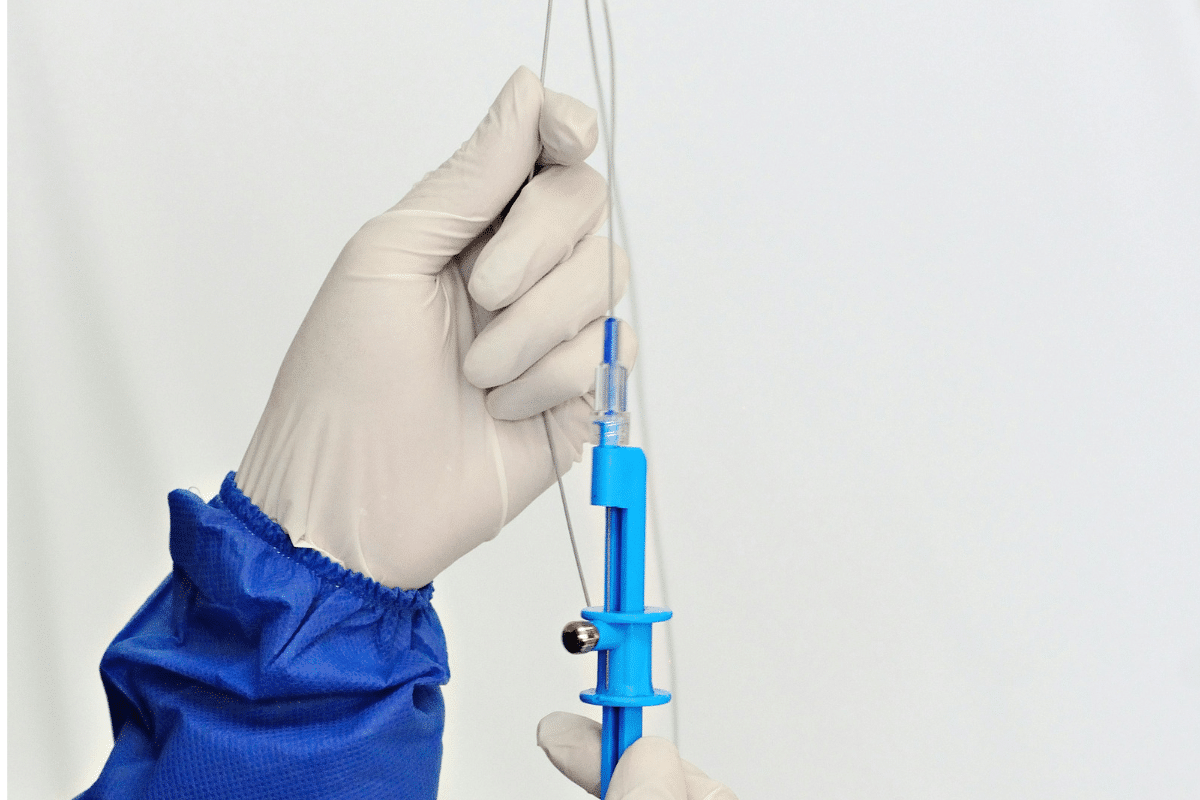
A stent is a small mesh tube placed during cardiac catheterization to hold a narrowed heart artery open. The doctor reaches the artery through a thin tube in the wrist or groin. Most people go home the same day or the next morning.
A stent treats one tight spot. It does not treat the coronary artery disease that caused it, and that disease is usually present in other arteries too. That is why the medicines and lifestyle changes you start now matter as much as the procedure.
Normal symptoms after stent placement
These are common and usually fade on their own:
- Bruising at the access site. A bruise on the wrist or groin, sometimes spreading down the arm or thigh, is expected. It may turn purple, then yellow, over two to three weeks.
- A small, soft lump under the skin. A pea-sized lump at the puncture site is common and shrinks over a few weeks.
- Mild soreness or tenderness where the catheter went in, especially when you bend the wrist or walk.
- Tiredness. Fatigue for several days to two weeks is normal, especially if you had a heart attack. Some of it comes from new medicines such as beta blockers.
- Brief, mild chest twinges. Short, sharp or fleeting sensations in the first days are common as the artery adjusts to the stent. They differ from the heavy, lasting pressure of angina.
- Easy bruising and nosebleeds. Two antiplatelet drugs together make small cuts bleed longer.
- Mood changes. Feeling low, anxious or tearful in the weeks after a heart procedure is common and worth mentioning to your doctor.
Symptoms that are not normal
Call your doctor the same day if you notice:
- Bleeding from the access site that does not stop after 10 minutes of firm pressure
- A lump that grows, becomes hard or painful, or pulses
- Redness, warmth, pus or fever, which can mean infection
- A cold, pale, numb or weak hand or leg on the access side
- Black or bloody stools, or blood in the urine
- Chest discomfort that returns with effort, especially in the first month
- Swelling in the legs or breathlessness when lying flat
New or returning angina can mean a clot in the stent or a new narrowing. A clot inside the stent is rare but serious, and it is most likely in the first weeks or if blood thinners are stopped early.
Heart stent recovery timeline
| Time after stent | What most people can do |
| Days 1 to 2 | Rest at home, short walks, no lifting with the access arm or bending at the groin |
| Days 3 to 7 | Light daily activity, shower normally, avoid lifting over 10 pounds |
| About 1 week | Return to desk work for many people; driving when your doctor approves |
| 2 to 4 weeks | First follow-up visit; start cardiac rehab |
| 4 to 6 weeks | Most normal activity, including moderate exercise, if cleared |
| 6 months and 1 year | Routine follow-up visits and medicine review |
Recovery is often longer after a heart attack than after a planned stent. Your cardiologist’s instructions come first.
What to avoid after a stent
- Stopping your blood thinners. Never stop aspirin or the second antiplatelet therapy drug without talking to your cardiologist, even for dental work or surgery. Many people take both for up to a year after a coronary stent.
- Heavy lifting and hard exercise in the first week, until your doctor clears you.
- Baths, hot tubs and swimming until the access site is fully closed, usually about a week.
- Smoking and vaping, which raise the risk of the artery narrowing again.
- Ignoring symptoms because you think the stent “fixed” the problem.
Protecting your stent and your other arteries
The aim now is to stop new plaque and calm the plaque that is already there. That means taking a high-intensity statin if prescribed, getting blood pressure and blood sugar to target, and joining cardiac rehab. Rehab gives you a safe, supervised way to return to exercise for heart health.
The BaleDoneen Method adds a search for the root causes behind your plaque buildup in arteries. We look at inflammation, insulin resistance, inherited lipid risks and oral health, then use imaging to confirm the disease is stabilizing. Our heart attack prevention telemed program works alongside your cardiologist. You can also start with our free heart health risk report to see which root causes may apply to you, and read how we prevent a heart attack after a stent.
FAQs
Is it normal to have chest pain after a stent?
Brief, mild twinges in the first days are common as the artery heals. Pain that feels like your old angina, lasts more than a few minutes, or comes with breathlessness or sweating is not normal. Call 911 for that kind of pain.
How long does it take to recover from a heart stent?
Most people feel close to normal within a week after a planned stent and return to desk work. Full recovery and a return to harder exercise usually take four to six weeks. After a heart attack, recovery often takes longer.
Why am I so tired after a stent?
Fatigue is common for one to two weeks. It comes from the procedure, the stress of a heart event, poor sleep in hospital and new medicines such as beta blockers. Tiredness that gets worse, or comes with breathlessness, should be checked.
What is the most common complication after a stent?
Bleeding or bruising at the access site is the most common. It is usually minor. Less common but serious problems include a clot in the stent and the artery narrowing again, which is called restenosis.
Can you have a heart attack after a stent?
Yes. A stent opens one artery but does not stop disease elsewhere. Taking blood thinners and statins, quitting smoking and treating root causes like inflammation and insulin resistance lower the risk of a second heart attack.
About the Author: Christine Cooper