Know Your Risk Before It Strikes
Your arteries could be hiding early disease. Find out today.
For decades, people were told that plaque in the arteries only gets worse with age. That is no longer the full story. Clinical trials using ultrasound inside the heart arteries have shown that plaque can shrink, and, just as important, that it can become more stable and less likely to cause a heart attack. Here is what can and cannot be reversed, and how to know if your treatment is working.
The short answer
Yes, plaque can be partly reversed. Studies show modest shrinkage in plaque volume when LDL cholesterol is driven very low and other risk factors are treated. Hard, calcified plaque rarely disappears. The bigger win is turning soft, inflamed plaque into stable plaque that is far less likely to rupture.
Soft plaque and hard plaque
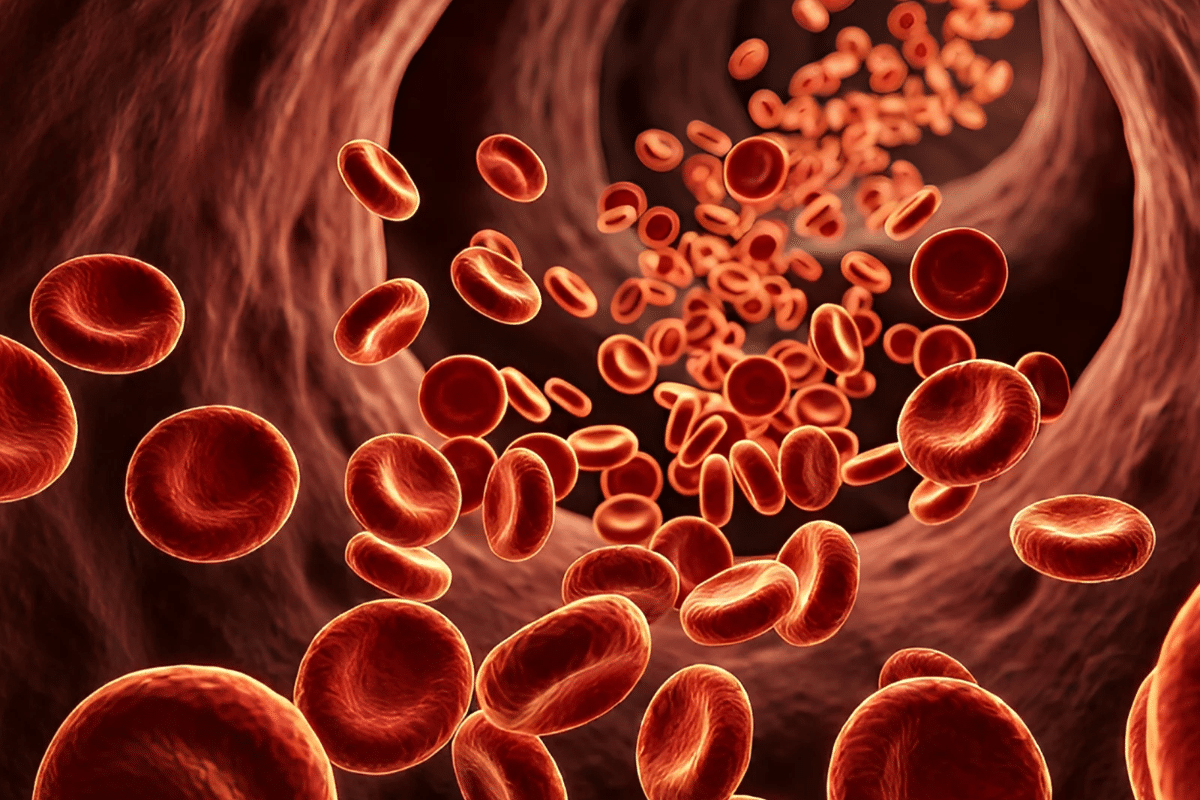
Plaque buildup in arteries starts when LDL particles slip into an injured artery wall and trigger inflammation. Over years, this creates atherosclerosis.
- Soft (non-calcified) plaque is full of fat and immune cells, covered by a thin cap. It is the type most likely to crack, which is called plaque rupture. Most heart attacks and many strokes begin this way.
- Hard (calcified) plaque has hardened with calcium. It is more stable, but it shows that disease has been present for a long time. Read more about arterial calcification.
Soft plaque responds best to treatment. Its fat core can shrink and its cap can thicken.
What the evidence shows
Statins. A review in Nature Reviews Cardiology concluded that the strongest evidence for plaque regression comes from trials of intensive LDL lowering with statins, measured by ultrasound inside the arteries.
PCSK9 inhibitors. In the GLAGOV trial, 968 patients took a statin with or without evolocumab (Repatha). The combination brought LDL to an average of 36.6 mg/dL, and more patients saw their plaque shrink. Later trials such as PACMAN-AMI and HUYGENS found that adding a PCSK9 inhibitor after a heart attack shrank plaque, reduced fat inside it and thickened the protective cap.
Ezetimibe. A meta-analysis found that adding ezetimibe or a PCSK9 drug to a statin led to significant plaque regression.
Lifestyle. Diet, exercise and quitting smoking clearly slow plaque growth and lower events. Evidence that lifestyle alone shrinks plaque is smaller and less consistent than for medicines. The best results come from using both.
The shrinkage in these trials is often only about 1 percent of plaque volume. That sounds small, but it reflects a large change in the plaque’s behavior.
Why stabilization matters more than size
A plaque does not need to shrink a lot to become safe. When inflammation calms down, the fat core shrinks and the fibrous cap thickens, so the plaque is far less likely to rupture. This is called plaque stabilization.
Stabilization explains a surprise many patients see on statins: their coronary calcium score can rise. Calcium can increase as soft plaque hardens and becomes more stable. A rising score on treatment is not always bad news, and it should be read in context.
How to reduce plaque in your arteries
Medical treatment
- Lower LDL well below standard targets, usually with a high-intensity statin, plus ezetimibe or a PCSK9 drug when needed. Options exist for statin intolerance too.
- Test for hidden drivers: LDL particle number, lipoprotein(a) and markers of arterial inflammation such as hs-CRP.
- Treat insulin resistance, high blood pressure and sleep apnea.
Lifestyle
- Follow an anti-inflammatory diet rich in vegetables, beans, nuts, olive oil and fish, low in refined carbs and processed meat.
- Aim for about 150 minutes a week of moderate activity plus strength work. See our guide to exercise and heart health.
- Stop all tobacco and vaping.
- Treat gum disease. Oral bacteria are linked to arterial inflammation through the oral-systemic health connection.
How to know if your plaque is improving
You cannot feel plaque shrink, so it has to be measured. A CIMT scan uses ultrasound to measure artery wall thickness and soft plaque in the neck, with no radiation. A meta-analysis of 119 trials and more than 100,000 patients found that treatments which slowed wall thickening also lowered cardiovascular events.
The BaleDoneen Method uses repeat CIMT and inflammation labs to check that treatment is working, then adjusts the plan. You can see the research behind our approach on our published studies page.
Want to know if plaque is already forming in your arteries? Start with our free heart disease risk assessment, or ask about a CIMT review if you have already had a scan. For ongoing care, our personalized prevention program tracks your arteries over time.
FAQs
Can plaque in arteries be reversed naturally?
Lifestyle changes slow plaque growth and lower heart attack risk, and some studies show small regression. The strongest proof of plaque shrinkage comes from intensive LDL lowering with medicines. Combining diet, exercise and medication gives the best chance of reversal.
How long does it take to reverse plaque in arteries?
Most trials measured change after 12 to 24 months of treatment. Inflammation can calm sooner, within a few months. Repeat imaging such as CIMT at about 12 months is a reasonable way to check progress.
Can calcified plaque be reversed?
Calcified plaque rarely shrinks in a meaningful way. It is generally more stable than soft plaque, though, and treatment can still stop new plaque and lower risk. A calcium score may even rise on statins as soft plaque hardens.
Does Repatha reduce plaque in arteries?
Yes. In the GLAGOV trial, adding evolocumab (Repatha) to a statin lowered LDL to about 37 mg/dL and led to plaque regression in more patients. Later trials found it also thickened the protective cap over plaque.
What is the fastest way to reduce plaque?
There is no quick fix. The fastest proven route is driving LDL very low with a statin plus ezetimibe or a PCSK9 drug, while treating inflammation, insulin resistance and smoking. Be wary of supplements or chelation promising fast plaque removal.
About the Author: Christine Cooper