Know Your Risk Before It Strikes
Your arteries could be hiding early disease. Find out today.

After a first heart attack, almost everyone asks the same question: how long do I have? The honest answer is that most people live many more years, and a large share of that future is shaped by choices made in the months after leaving hospital. Here is what the research says, and what you can do to move the odds in your favor.
The honest answer
No study can predict one person’s lifespan. What research can do is show averages for large groups and which factors push survival up or down. Many first-time survivors live 10, 20 or even 25 years or more. The people who do best usually had a smaller heart attack, were treated fast, and then stayed with their medicines, rehab and lifestyle changes.
What the research shows
Two large studies give the clearest picture.
A JACC study of more than 140,000 Medicare patients measured how many years of expected life were lost after a heart attack. Men and women of the same race lived about as long after the event. Because women normally outlive men, though, women lost about 10.5 percent more of their expected life. Black patients also lost more years than white patients.
A Swedish registry of 335,000 first heart attacks from 1991 to 2022 found big differences by age, sex and heart damage. A 50-year-old woman with a large heart attack lost about 11 years on average. An 80-year-old man with a small heart attack lost about five months. People whose heart pumping was weakened after the event lost the most.
Both studies include patients treated before many of today’s medicines and stents, so current outcomes are likely better.
Life expectancy after a heart attack by age
In your 40s and 50s. Younger survivors have the most years ahead, so they also have the most to lose. The research shows they lose the largest share of expected life, mainly because risk factors have decades to keep damaging the arteries. The upside is that this group gains the most from treating root causes early.
In your 60s. Many people in this group live into their 80s, especially with good pumping function and no diabetes or kidney disease.
In your 70s and 80s. Years lost are fewer, because expected lifespan is shorter to begin with. Other health conditions often matter as much as the heart attack itself.
Factors that shape survival
| You cannot change | You can change |
| Age at the time of the heart attack | Taking every prescribed medicine |
| Sex and family history | Going to cardiac rehab |
| Size of the heart attack | Quitting smoking for good |
| Pumping strength after treatment (ejection fraction) | Blood pressure, blood sugar and LDL at target |
| Inherited risks such as lipoprotein(a) | Sleep, stress, weight and gum health |
The right-hand column carries real weight. A Kaiser Permanente study of 25,778 heart attack survivors found that people who followed all recommended steps had up to 43 percent lower death rates than those who followed the fewest.

What about a silent heart attack?
A silent heart attack causes few or no symptoms and is often found later on an ECG or scan. Because nobody treats it at the time, the underlying disease keeps progressing. Survival after a silent heart attack is not better than after a recognized one. If you learn you had one, take it as seriously as any other heart attack.
How to lower your risk of a second heart attack
The year after a first heart attack carries the highest risk of another. These steps make the biggest difference:
- Cardiac rehab. The American Heart Association reports rehab lowers death from any cause by about 15 percent at one year and 45 percent at 15 years. Ask for a referral before you leave hospital.
- Medicines, every day. High-intensity statins, blood thinners, beta blockers and ACE inhibitors each add protection.
- Smoking. Quitting is the single largest change a smoker can make. Our page on nicotine addiction and heart risk covers support options.
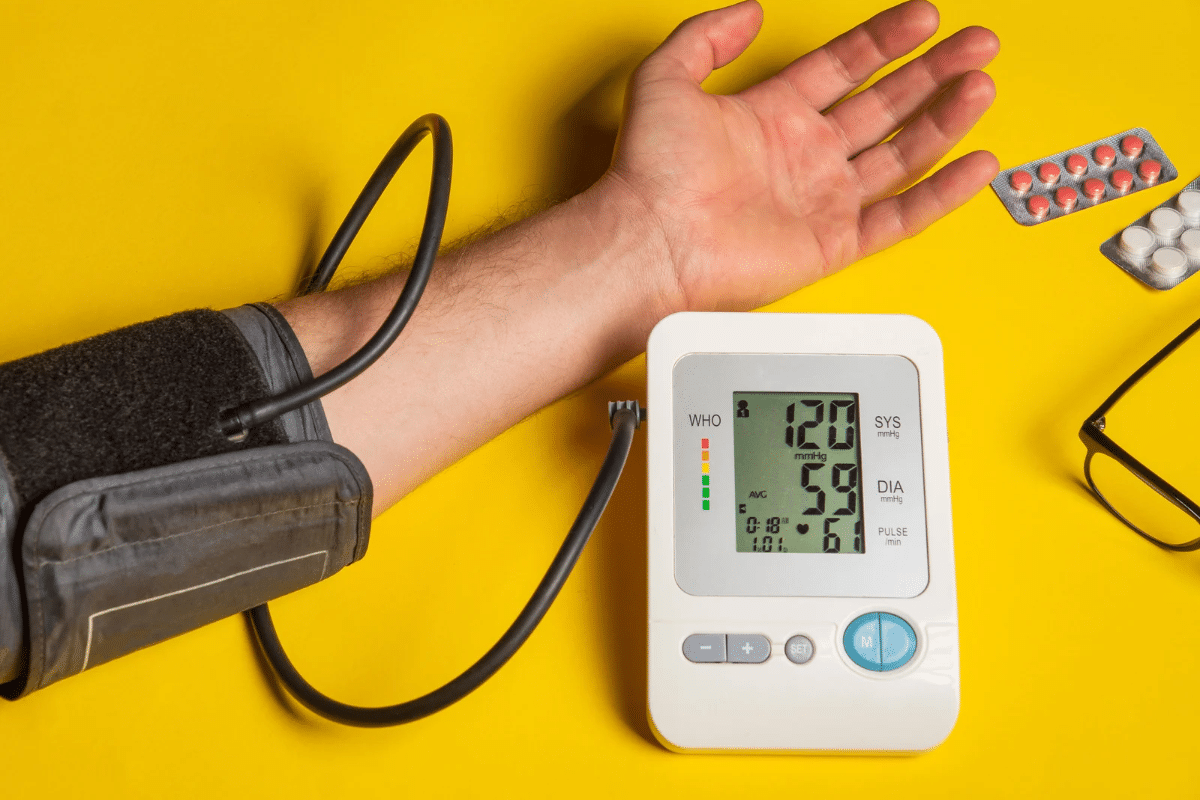
- Blood pressure and blood sugar. Treat high blood pressure to target and test for insulin resistance, which is present in many heart attack patients and often missed.
- Mood and stress. Depression after a heart attack is common and linked to worse survival. Read more on psychosocial stress and heart health.
Look beyond cholesterol numbers
Many people have a first heart attack with “normal” cholesterol. That is because standard lipid panels miss key drivers of plaque rupture: inflammation in the artery wall, high LDL particle number, lipoprotein(a), insulin resistance and even gum disease through the oral-systemic health connection.
The BaleDoneen Method tests for each of these and tracks your arteries over time with imaging. Our heart attack prevention telemed program works with your cardiologist to treat these causes and lower the chance of a second event. Family members can take the free heart attack risk assessment, since many risks are inherited. Women can also read how to prevent a heart attack in women.
FAQs
How long can you live after your first heart attack?
Many people live 10 to 25 years or more. Survival depends on age, how much heart muscle was damaged, how quickly treatment started, and whether you follow medicines, rehab and lifestyle changes. People who follow all recommended steps have markedly lower death rates.
What is the life expectancy after a heart attack at 50?
There is no single figure. Swedish data show a 50-year-old woman with a large heart attack lost about 11 years of expected life on average, but those numbers include older treatments. A smaller heart attack, good pumping function and strong follow-up care shrink that gap.
Does life expectancy go down with each heart attack?
Yes, a second heart attack usually causes more damage to an already weakened heart and lowers survival further. Preventing the second one is the main goal of care after the first. The first year is the highest-risk period.
Can you live a normal life after a heart attack?
Yes, most people return to work, travel, exercise and sex within weeks to a few months. Cardiac rehab helps you build back safely. Many survivors end up fitter than before because they finally treat the risk factors behind the event.
Do women have a worse outlook after a heart attack?
Women live about as long as men after a heart attack, but lose more years compared with their expected lifespan. They are also less often referred to cardiac rehab. Women should ask for rehab and full root-cause testing.
About the Author: Christine Cooper