Know Your Risk Before It Strikes
Your arteries could be hiding early disease. Find out today.

Capsaicin is the compound that makes chili peppers hot. Some people take it as a supplement for heart health, but the evidence is limited. Most findings come from animal studies and small human trials. No capsaicin supplement has been shown to remove plaque or prevent a heart attack. If you are curious, this guide explains how to read a label, what risks to expect, and what matters more for your heart.
This content is for informational purposes only and is not medical advice. Capsaicin can upset the stomach and may interact with some medicines, including blood pressure drugs and blood thinners. Never start, stop, or change a supplement or heart medicine without talking to your doctor or pharmacist first. At BaleDoneen, we look at supplements as a small piece of a full plan built on testing and treatment.
Disclosure: We do not accept payment to name a “best” product. Labels and formulas change, so always read the current bottle.
What Is Capsaicin?
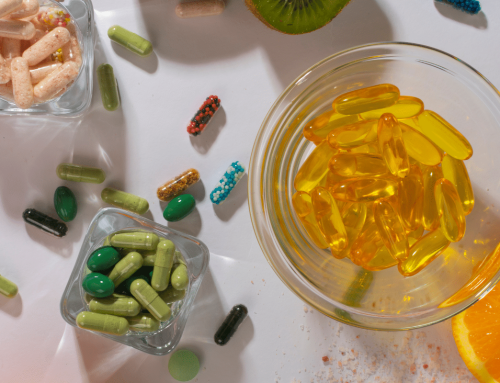
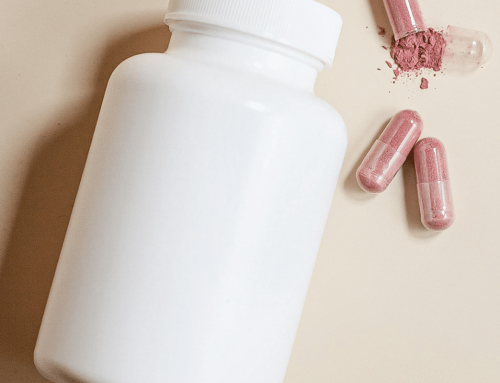
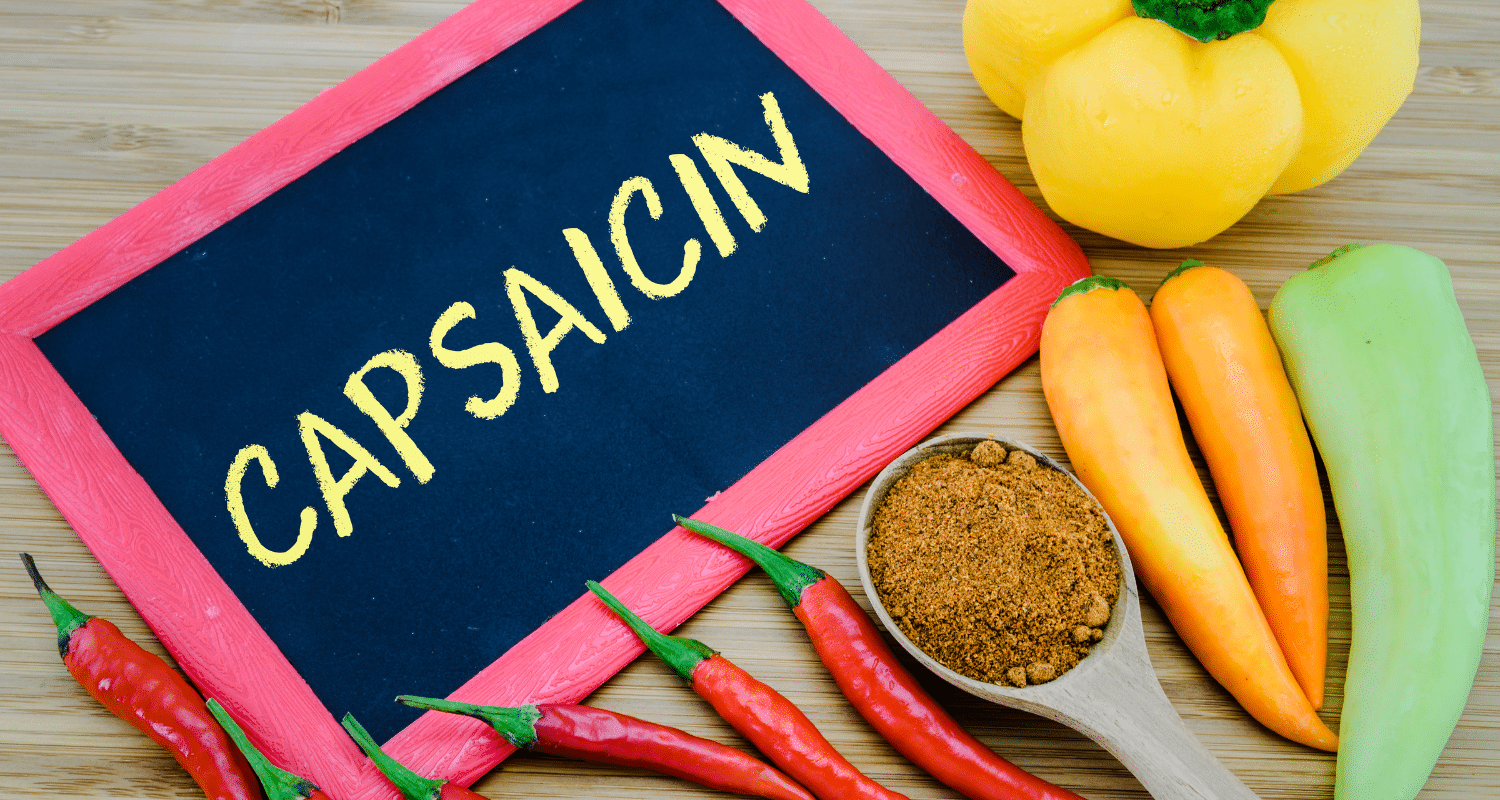
Capsaicin is found in hot peppers such as cayenne. It triggers heat and pain sensors in your body. Researchers study it for effects on fat metabolism, blood vessels, and inflammation. Supplements come as capsules of cayenne powder or purified capsaicin. Some are sold as “capsaicinoids” or “chili extract.”
Does Capsaicin Help the Heart?
Here is what we know, with honest limits.
- Animal studies. In mice and rats, capsaicin has lowered cholesterol and improved blood vessel function. Results in animals often do not carry over to people.
- Small human trials. One trial with 42 people used about 4 mg of capsaicin a day. HDL cholesterol rose slightly. That is a small study with a small change.
- Blood pressure. Evidence is mixed. Some studies suggest a mild effect. Others show none.
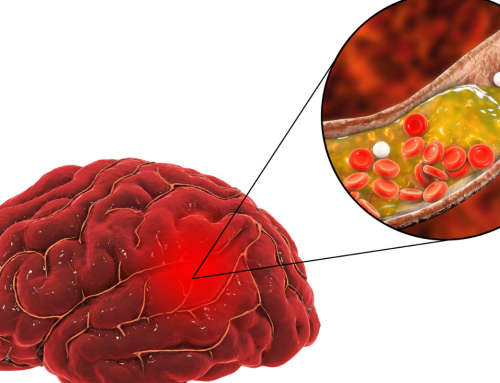
- Plaque and heart attacks. No human trial has shown capsaicin clears plaque or prevents a heart attack.
If a label says “unclogs arteries” or “prevents heart disease,” that is a red flag. Other natural suppl
ements for heart health have stronger support.
How to Evaluate a Capsaicin Supplement
Use these criteria for any product.
| Criteria | What to look for |
| Ingredient clarity | Amount of capsaicin or capsaicinoids stated in mg |
| Dose | Close to doses used in studies, often a few mg a day |
| Delivery | Delayed release or enteric coating may reduce stomach upset |
| Third party testing | USP, NSF, or ConsumerLab seal |
| Other ingredients | Few fillers; no hidden stimulants |
| Claims | No promises to cure or prevent disease |
| Price | Cost per serving |
Be careful with blends. A product with ten ingredients makes it hard to know what is working, or what is causing a side effect.
Capsaicin Pills, Cayenne Powder, and Creams
These products are not the same. Cayenne capsules hold ground pepper, and the capsaicin amount can vary by batch. Purified capsaicin products list a set dose. Creams and patches are made for sore muscles and nerve pain. They are not heart products, and you should never swallow them. Some “fat burner” products mix capsaicin with caffeine or other stimulants. Those can raise heart rate and blood pressure, so people with heart disease should avoid them.
If You Still Want to Try It
Talk to your doctor first, especially if you take medicine every day. Start with food, such as adding cayenne or chili flakes to a meal. If you choose a pill, begin with the lowest dose and take it with food. Track how you feel for two weeks. Stop and call your doctor if you notice stomach pain, a racing heart, or any new symptom. Keep a list of what you take so every provider can see it.
Safety and Side Effects
Capsaicin is generally safe in food amounts. Supplements can be stronger. Common problems include:
- Heartburn and stomach pain
- Nausea or diarrhea
- A burning feeling in the mouth or throat
- Sweating and flushing
People with acid reflux, ulcers, or irritable bowel disease may feel worse. Do not give capsaicin supplements to children. If you have an allergy to peppers, avoid them.
Medicine Interactions
Capsaicin may add to the blood pressure lowering effect of some drugs. It might raise bleeding risk when taken with blood thinners, though proof is limited. It may also raise the effect of some drugs that are broken down by the liver. Check with your pharmacist. Supplement checks matter for anyone using blood thinners to prevent stroke.
When to Skip It
Skip capsaicin pills if you have severe reflux, a stomach ulcer, or a planned surgery soon. Pregnant and nursing women should ask a doctor first. If you have chest pain, do not try a supplement. Call emergency services.
Eating Chili Peppers Instead
Real peppers add flavor with few calories, so they can help you cut back on salt. A large Italian study linked regular chili intake with lower death rates, but it was an observational study. It cannot prove cause. Still, adding spices to a meal that is rich in vegetables, beans, and fish is a smart move. A full plan for preventing a heart attack with food goes well beyond spices.
What Matters More Than Capsaicin
Several steps have strong proof for heart protection:
- Control blood pressure.
- Lower LDL cholesterol with food and medicine when needed.
- Stop smoking.
- Exercise about 150 minutes a week.
- Manage blood sugar and weight.
- Know your true risk with testing.
A carotid ultrasound and inflammation markers can show whether plaque is already building. This fits with cholesterol management and fish oil for heart health. Other vitamins that support the heart are worth a look too.
Frequently Asked Questions
Is capsaicin good for the heart?
Evidence is limited. Early studies are small and findings are mixed.
Can capsaicin lower cholesterol?
Animal studies suggest so. Human data are thin.
Does capsaicin remove plaque?
No. No human trial shows that.
Can capsaicin prevent a heart attack?
No such proof exists.
How much capsaicin should I take?
There is no set dose. Small trials used about 4 mg a day. Ask your doctor.
Does capsaicin lower blood pressure?
It may do so a little for some people. Results vary.
Is capsaicin safe with blood thinners?
Check with your doctor or pharmacist first.
Is eating hot peppers better than taking pills?
Food is a safer way to try capsaicin, and it comes with other nutrients.
What are the side effects?
Stomach pain, heartburn, nausea, and diarrhea are the most common.
Who should avoid capsaicin supplements?
People with reflux, ulcers, or bowel disease, and anyone told to avoid it by their doctor.
Key Takeaways
Capsaicin is interesting to researchers, but it is not a proven heart protector. Read labels with care, avoid big claims, and talk to your doctor before trying it. Put your effort into proven steps. A testing based approach to preventing heart attack is a better use of effort.
About the Author: Christine Cooper