Know Your Risk Before It Strikes
Your arteries could be hiding early disease. Find out today.
Blood thinners can reduce the risk of certain clot related strokes, particularly in people with conditions such as atrial fibrillation. However, the right medication depends on why someone is at risk, and treatment also carries a risk of bleeding. Blood thinners do not prevent every type of stroke, and anticoagulants and antiplatelets, the two main categories, work differently and are not interchangeable.
This content is for informational purposes only and is not a substitute for medical advice. Never start, stop, or change a blood thinner based on this article without speaking to your doctor first. Matching the right treatment to the right cause, rather than a one size fits all prescription, reflects how BaleDoneen Method approaches vascular risk.
Do Blood Thinners Prevent Stroke?
Blood thinners can reduce the risk of certain clot related strokes by preventing harmful blood clots from forming. They do not prevent every stroke, and they do not eliminate stroke risk entirely. The appropriate medication depends entirely on the underlying condition driving your risk, and anticoagulants and antiplatelets work through different mechanisms.
What Does “Blood Thinner” Mean?
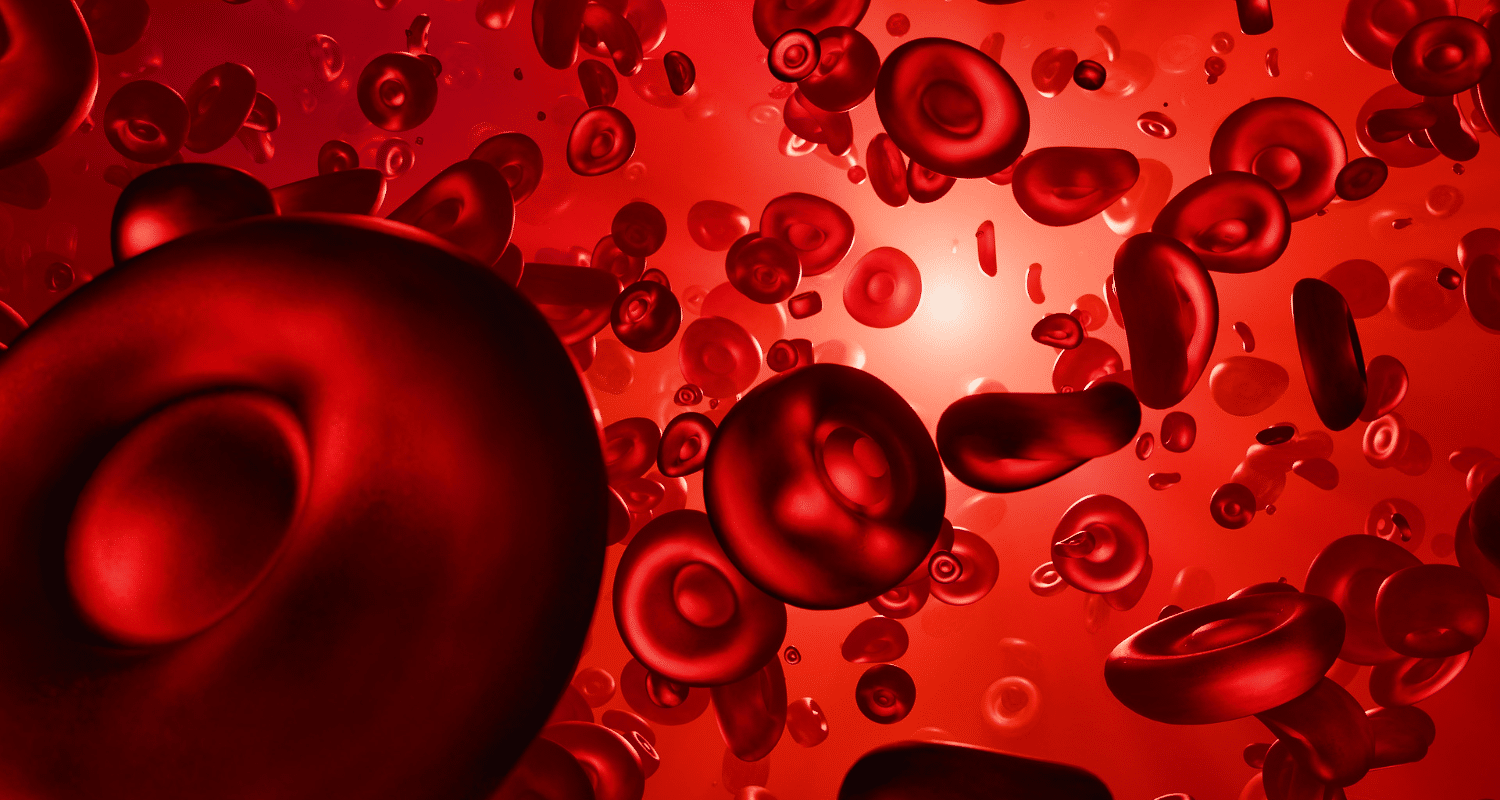
Blood thinners do not literally make your blood thinner. They reduce your blood’s ability to form harmful clots. There are two main categories.
Anticoagulants
These work mainly on the blood clotting process itself. Common examples include warfarin, apixaban, rivaroxaban, dabigatran, and edoxaban.
Antiplatelets
These work mainly by reducing platelet aggregation, the clumping together of platelets that starts clot formation. Common examples include aspirin and clopidogrel.
How Do Blood Thinners Prevent Stroke?
For atrial fibrillation specifically: irregular heart rhythm allows blood flow inside the heart to become irregular, which allows a clot to form, which can then travel to the brain and block an artery, causing an ischemic stroke. Anticoagulation reduces clot formation, lowering the risk of this specific type of embolic stroke.
For antiplatelets: platelet aggregation contributes to arterial clot formation in certain ischemic conditions, and antiplatelet therapy can reduce this risk in appropriate patients. Not all blood thinners work in exactly the same way, which is why the specific medication matters.
Anticoagulants vs Antiplatelets
| Feature | Anticoagulants | Antiplatelets |
| Main target | Clotting system | Platelets |
| Examples | Apixaban, warfarin | Aspirin, clopidogrel |
| Common role | Clot related conditions, including AFib | Certain arterial ischemic conditions |
| Stroke relationship | Reduce certain embolic stroke risks | Reduce certain platelet related arterial events |
| Main concern | Bleeding | Bleeding |
Anticoagulants and antiplatelets are not interchangeable, and one should never be substituted for another without medical guidance.
Blood Thinners for Atrial Fibrillation
Atrial fibrillation is an irregular heart rhythm that can significantly increase stroke risk. Blood can pool in the heart chambers during this irregular rhythm, allowing clots to form. If a clot travels to the brain, it can cause a stroke. Anticoagulation may be recommended to reduce this risk, with the decision weighing both stroke risk and bleeding risk together, sometimes using formal risk assessment tools your doctor may reference.
Common Blood Thinners Used for Stroke Prevention
Warfarin
A vitamin K antagonist requiring regular INR blood test monitoring, with notable food and drug interactions. Consistent monitoring matters significantly with this medication.
Apixaban
A direct oral anticoagulant, or DOAC, used for certain indications without the same monitoring requirements as warfarin.
Rivaroxaban
Another direct oral anticoagulant used for appropriate patients based on their specific clinical situation.
Dabigatran
A direct oral anticoagulant with its own specific mechanism and clinical use profile.
Edoxaban
Also within the DOAC category, with treatment choice among these options depending on your individual clinical situation, kidney function, and other factors.
Which Blood Thinner Is Best?
There is no single blood thinner that is best for everyone. The appropriate medication depends on the condition being treated, kidney function, age, bleeding risk, other medicines you take, potential interactions, monitoring requirements, cost and access, and other individual factors your doctor weighs together, alongside separate considerations like cholesterol that shape your overall treatment plan.
What Are the Risks and Side Effects of Blood Thinners?
Bleeding is the primary safety concern with any blood thinner. This can include easy bruising, nosebleeds, bleeding gums, prolonged bleeding from cuts, gastrointestinal bleeding, and in rare but serious cases, internal or intracranial bleeding. Drug interactions, medication adherence, monitoring requirements for certain medications, and kidney function where relevant all factor into safe use, alongside other vascular factors like blood pressure control. The benefit of preventing a clot related stroke must always be weighed against the potential risk of bleeding, which is why this remains an individualized medical decision.
Can You Have a Stroke While Taking Blood Thinners?
Yes. Blood thinners reduce risk but do not eliminate it entirely. A stroke can still occur while someone is taking medication as prescribed. If this happens, the reason needs thorough medical evaluation, including a review of medication adherence, dosing, and the underlying stroke mechanism. If someone develops sudden stroke symptoms while taking a blood thinner, they still need immediate emergency medical evaluation. Do not take an extra dose or wait to see if symptoms pass.
How Long Do You Need to Take Blood Thinners?
There is no single universal duration. Treatment length depends on why the medication was prescribed, whether it relates to atrial fibrillation, a previous stroke or TIA, another cardiovascular condition, whether the underlying risk factor is temporary or ongoing, your bleeding risk, and periodic clinical reassessment. Some people need long term, even lifelong treatment, while others have a defined treatment period. This duration should always be determined by your prescribing clinician, not assumed based on general information.
Can Blood Thinners Cause a Brain Bleed?
Anticoagulants can increase bleeding risk, and intracranial bleeding, while uncommon, is a serious potential complication. Risk varies by specific medication and individual patient factors. For appropriate patients, the benefit of stroke prevention may still outweigh this bleeding risk, which is exactly why this balance requires individualized medical judgment. Never stop an anticoagulant on your own out of concern about this risk. We go deeper into this specific trade off in our guide on hemorrhagic stroke.

Can Foods or Supplements Act as Natural Blood Thinners?
Certain foods and supplements may have some effect on blood clotting, but they should not be treated as replacements for prescribed anticoagulant or antiplatelet medication. Some supplements can also interact with prescribed medications or independently increase bleeding risk. Foods and supplements are not substitutes for prescribed blood thinning medication when a real clinical indication exists, and self treating with supplements instead of prescribed therapy carries real risk.
Blood Thinners After a Stroke or TIA
Treatment after a stroke or TIA depends on the stroke type, the specific cause identified, whether atrial fibrillation or another cardioembolic source was found, any underlying vascular disease, your bleeding risk, and other medical conditions. It matters significantly whether the event was an ischemic stroke, involving a clot related mechanism, or a hemorrhagic stroke, involving bleeding, since blood thinners are not a general treatment appropriate for every stroke type. This is exactly the kind of urgent evaluation that follows a TIA, and it carries over into the broader plan for preventing a second stroke as well.
When Is Bleeding an Emergency?
Seek urgent medical care for vomiting blood, black or bloody stools, uncontrolled bleeding, a severe unexplained headache, sudden weakness or numbness, confusion, trouble speaking, sudden vision changes, loss of balance, or any sudden neurological symptom. Sudden neurological symptoms can indicate a stroke or brain bleed and require emergency evaluation regardless of what medication you are taking.
Frequently Asked Questions
Do blood thinners really prevent strokes?
They reduce the risk of certain clot related strokes but do not prevent every stroke or eliminate risk entirely.
What is the best blood thinner to prevent stroke?
There is no universal best option. The right choice depends on your specific condition and individual factors.
What is the safest blood thinner?
Safety varies by individual, based on kidney function, other medications, and bleeding risk, rather than one medication being universally safest.
What is the difference between anticoagulants and antiplatelets?
Anticoagulants target the blood clotting process, while antiplatelets target platelet clumping. They are used for different clinical situations.
Which blood thinners are used for atrial fibrillation?
Anticoagulants, including warfarin and direct oral anticoagulants like apixaban, rivaroxaban, dabigatran, and edoxaban, are commonly used for AFib.
Can you have a stroke while taking a blood thinner?
Yes, blood thinners lower risk but do not eliminate it, and any new stroke symptoms while on medication still require emergency evaluation.
How long should you take blood thinners after a stroke?
Duration varies significantly based on the cause of your stroke and your ongoing risk, determined individually by your doctor.
Can blood thinners cause a brain bleed?
Yes, this is a genuine risk that must be weighed against the benefit of stroke prevention for each individual patient.
Can aspirin prevent a stroke?
In certain ischemic situations, yes, though it is not appropriate for everyone and carries its own bleeding risk.
Are there natural blood thinners?
Some foods and supplements may have mild effects on clotting, but none should replace prescribed medication when there is a real clinical need.
Can foods replace blood thinners?
No. Foods and supplements are not substitutes for prescribed anticoagulant or antiplatelet therapy.
What happens if you miss a blood thinner dose?
Follow your prescribing doctor’s specific instructions for missed doses, since guidance varies by medication.
Can you stop taking blood thinners suddenly?
Not without medical guidance. Stopping suddenly can increase stroke risk for the condition the medication was treating.
Do blood thinners prevent hemorrhagic stroke?
No. Blood thinners address clot related, ischemic stroke risk and can actually increase bleeding risk, which is relevant to hemorrhagic stroke specifically.
About the Author: Christine Cooper